


JurnalPost.com, NTT – The Indonesian Red Cross (PMI) is providing integrated humanitarian services for communities affected by the earthquake in East Nusa Tenggara (NTT). This response is not only focused on meeting basic needs but also encompasses education, disaster preparedness, psychosocial support, and healthcare services.
Services provided by PMI include the setup of learning tents, Disaster-Safe Education Unit (SPAB) training, psychosocial support through the Psychosocial Support Programme (PSP), logistics distribution, and the provision of tents to support healthcare facilities.
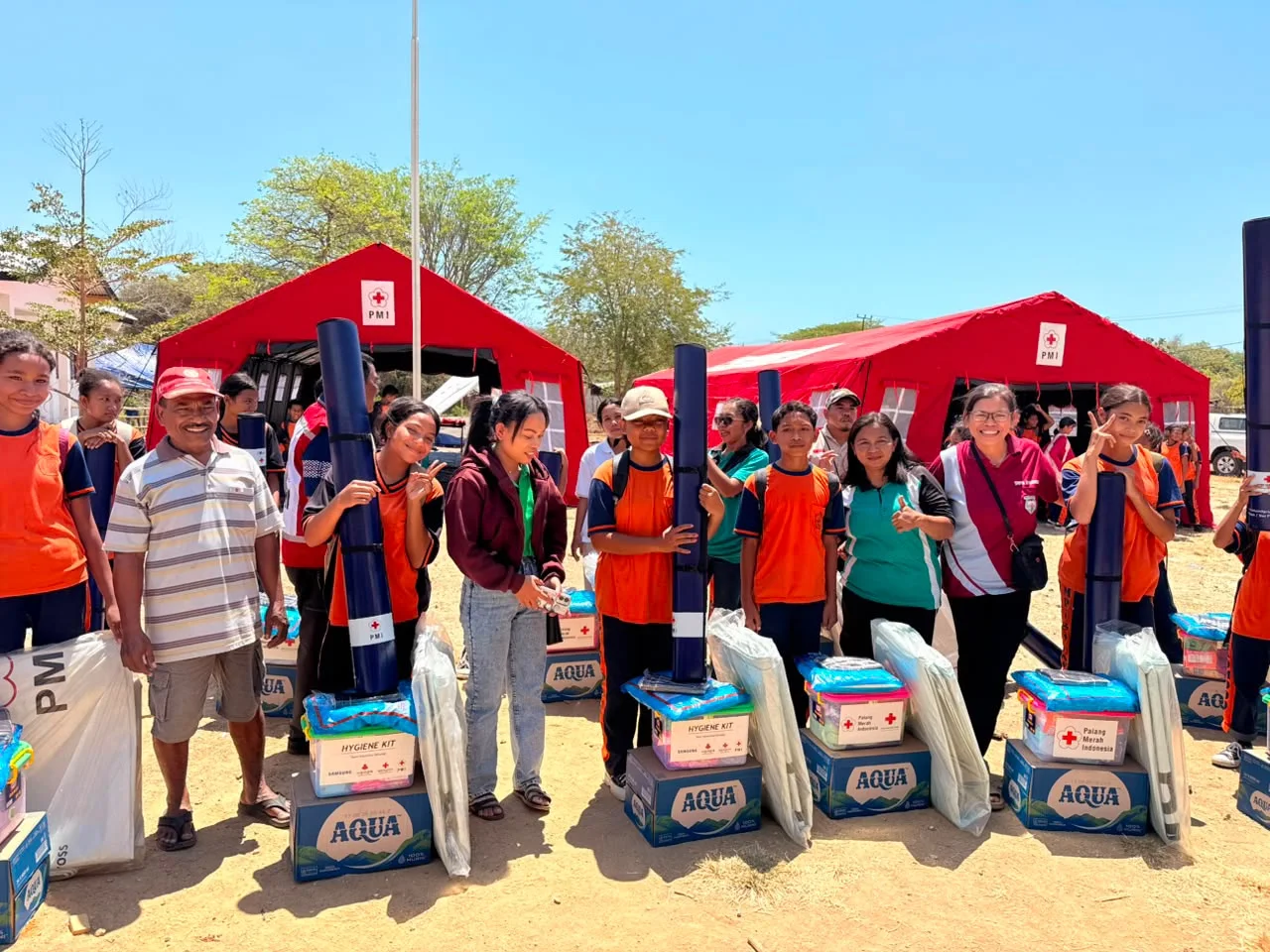
One such educational support initiative was provided to SMP Negeri 8 Komodo in West Manggarai Regency. PMI erected learning tents after parts of the school building sustained cracks during the earthquake.
The principal of SMP Negeri 8 Komodo, Aloysia Moto, stated that the psychological well-being of the students became a primary concern for the school following the quake.
The school has approximately 140 students divided into six study groups. While face-to-face learning has resumed, students are not yet using the classrooms.
Learning activities have been relocated to tents provided by PMI and several open spaces deemed safer for both students and teachers.
"During the emergency response period, we prioritized the children's psychological state, especially their fear. We have a second floor, and when there are tremors, the children might panic and run. This is very concerning," said Aloysia.
Previously, the school had attempted remote learning after the earthquake. However, the method was deemed ineffective due to the limited resources available to students.
"After the earthquake, learning was ineffective. Students tried remote learning, but it didn't work well due to many disruptions. Some parents do not have mobile phones, there were issues with data quotas, and various other obstacles," she said.
Learning Tents Help Students Return to School
The presence of PMI's learning tents has become a solution, allowing face-to-face teaching and learning activities to resume without waiting for all school facilities to be declared safe.
Students can once again meet their teachers and friends while slowly rebuilding their routines after experiencing the emergency situation caused by the earthquake.
"We express our gratitude to PMI for addressing our current needs, especially for the students. The children need a space to return to learning and activities after the earthquake. With these tents, they can study together with their teachers and friends again," said Aloysia.
She hopes that these temporary learning facilities will maintain educational continuity while the school building undergoes repairs.
"We want the children to understand that learning activities can continue even if we are not in the classroom for the time being," she said.
PMI Provides SPAB Education and Psychosocial Support
In addition to setting up learning tents, PMI provides education and simulations on Disaster-Safe Education Units (SPAB) for students.
Through these activities, students are taught to identify various disaster risks in the school environment, create maps, understand evacuation routes, recognize assembly points, and learn self-rescue steps when an earthquake occurs.
Students are also given an understanding of the importance of staying calm and following teachers' instructions during emergency situations.
Preparedness education is a crucial part of school recovery because the earthquake not only impacted the buildings but also caused anxiety among students when returning to learning activities.
PMI complements this with psychosocial support (PSP) for students still feeling the emotional impact of the earthquake.
These activities are delivered through games, interactions, and group exercises that provide children with a space to express their feelings.
The program is expected to help reduce fear while rebuilding a sense of safety within the school environment.
This approach is part of post-disaster child recovery services. After a disaster, children's needs go beyond just having a place to learn; they also require a sense of safety and supportive psychological conditions.
Logistical Aid for Teachers, Students, and the Community
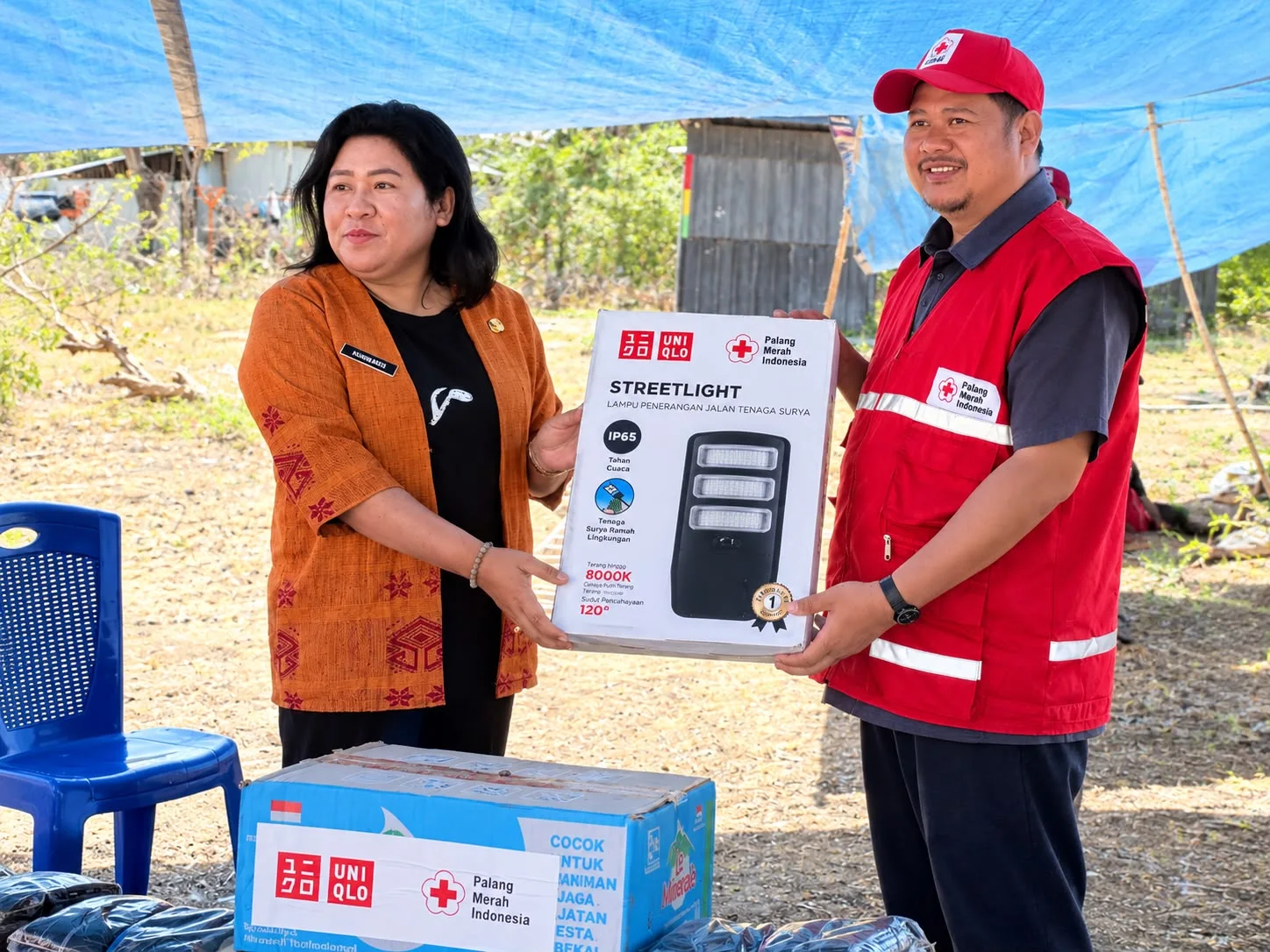
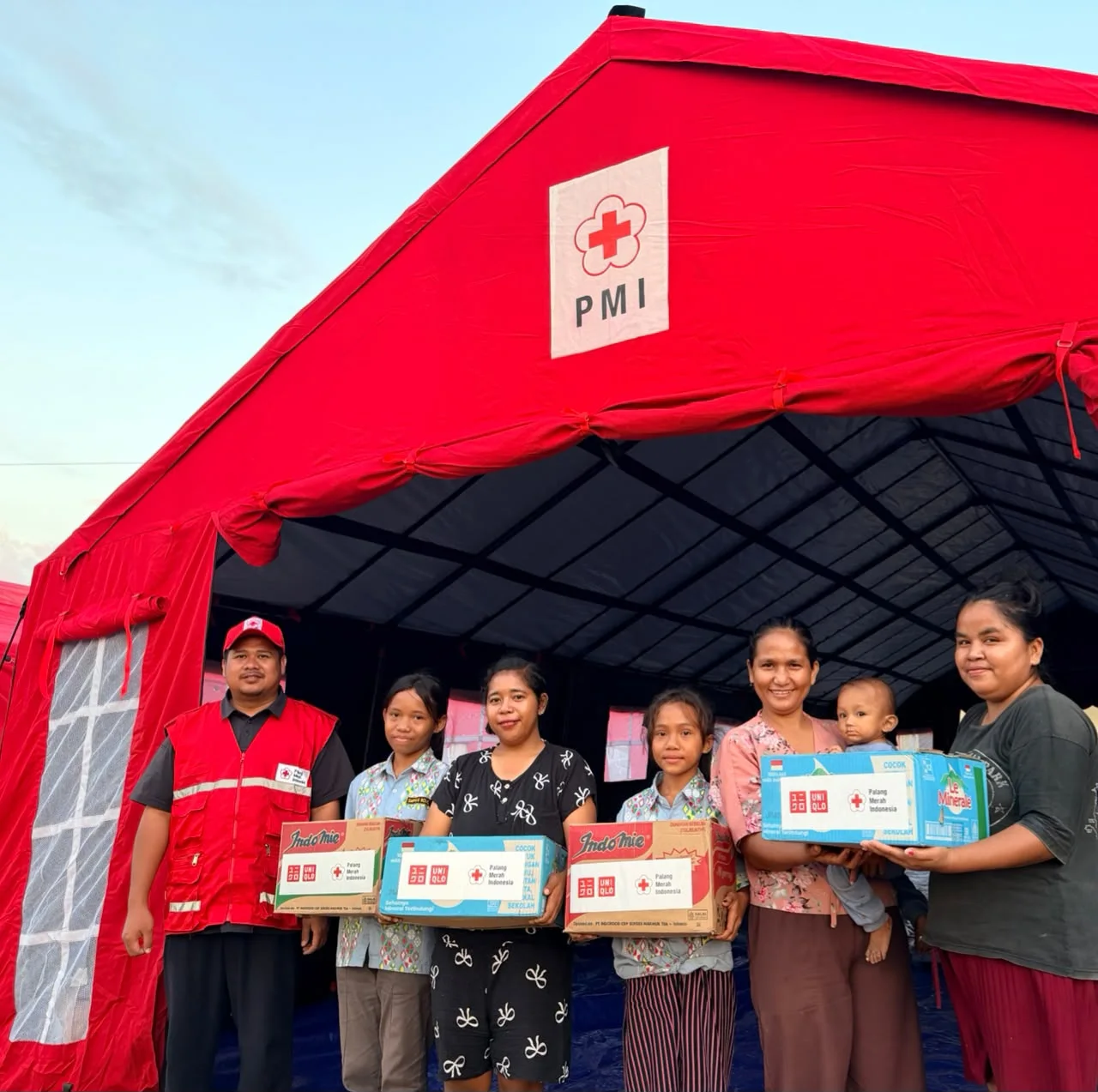
At the same time, PMI has distributed logistical aid to teachers and students whose homes were affected by the earthquake, as well as other community members in need.
The aid distributed includes hygiene kits, tarpaulins, mattresses, bottled water, mosquito nets, and sarongs.
The Head of the Facilities and Infrastructure Bureau at PMI Headquarters, Ilham Huznul, stated that aid distribution is carried out based on the community's needs during the emergency response and recovery phases.
"The logistical aid we provided consists of hygiene kits, tarpaulins, mattresses, bottled water, mosquito nets, and sarongs. These are among the items currently needed by the community following the earthquake, including teachers and students whose homes were affected, as well as other residents," said Ilham.
According to Ilham, this series of integrated services is a response to the conditions and needs reported by schools and the community on the ground.
"We are providing these integrated services to meet the needs and requests of the school in supporting post-earthquake recovery. Previously, the students' learning facilities were very basic. It is hoped that by building better learning tents, we can support the teaching and learning process," he explained.
Ilham added that this response is in line with the directive from PMI General Chairman Jusuf Kalla, ensuring that aid in every disaster response is provided based on the actual needs of the community.
"This is in accordance with Mr. JK's directive that in every disaster response, PMI must be present with support that matches the community's needs. Therefore, we strive to ensure that the aid provided is truly integrated to address residents' needs and support the recovery process," he said.
PMI Builds Tents for Healthcare Services
PMI's response to the earthquake in NTT also targets the health sector.
In Ruteng, PMI built 13 tents measuring 6 x 12 meters to support field hospital operations. These facilities are also equipped with 10 portable toilet units.
Meanwhile, to support the field hospital in Nagekeo, PMI prepared two tents and four portable toilets.
PMI also built three additional tents to support community health center (Puskesmas) services so that healthcare for the public can continue despite several facilities being affected by the earthquake.
These various forms of support are part of PMI's efforts to ensure that basic public services remain available during the emergency response period and throughout the recovery process.
Through an integrated humanitarian approach, PMI's response to the NTT earthquake covers various community needs, ranging from children's education, disaster preparedness, and psychological recovery to the distribution of basic necessities and the continuity of healthcare services.



Comments 0
Write a Comment Share your response