


JurnalPost.com - According to data from the International Organization for Migration (IOM), Malaysia is one of the largest migrant-receiving countries in Southeast Asia. Indonesian nationals constitute the largest migrant worker population in the country, with approximately 2.7 million Indonesians residing and working in Malaysia (Ministry of Foreign Affairs/MOFA, 2020). Recognizing the significant presence of Indonesian Migrant Workers (PMI) in Malaysia, the University of Indonesia (UI) and Universiti Teknologi Malaysia (UTM) acknowledge that migrant worker issues extend beyond employment and migration. Migrant workers and their families also require protection of fundamental rights, access to quality education, and support for child development.
To address these needs, UI and UTM joined forces to empower Indonesian migrant worker families in Malaysia through the Enhancing Quality Education for International Impacts and Recognition (EQUITY) program, funded under the University of Indonesia’s Community Development Grant. The initiative delivered a series of educational and community empowerment activities targeting parents, teachers, and Indonesian children living in Malaysia.
Programs included cultural and science education for children, sensorimotor development classes, training on producing soap from used cooking oil, and parenting workshops. All activities were conducted at Sanggar Bimbingan Meru (SB Meru), a Community Learning Center (CLC) established by the Indonesian government in Selangor, Malaysia. A total of 126 participants took part in the program, comprising 40 parents, 11 teachers, and 75 children.
December 2025: Promoting Literacy, Teacher Development, and Environmental Awareness
Led by Prof. Dr. rer. nat. Agustino Zulys, M.Sc., a professor at the Faculty of Mathematics and Natural Sciences, University of Indonesia, the first phase of activities commenced in December 2025 with a literacy program introducing Indonesian culture to children. Participants learned about Indonesia’s diverse islands, flora and fauna, and traditional games through interactive and creative learning methods that incorporated gamification and hands-on activities. One SB Meru student, Sarla, expressed her enthusiasm for the program. “I’m very happy that the students and lecturers from UI and UTM came here. I can learn while playing, and I hope they can visit us again in the future,” she said.
Alongside the children’s literacy class, a teacher training workshop was organized to strengthen the capacity of educators at SB Meru. The session was facilitated by professional teacher trainer Wahyudi, M.Pd., Gr., CPSP, who emphasized the importance of creativity and adaptability in teaching. The workshop encouraged active participation, allowing teachers to discuss classroom challenges and collaboratively explore practical solutions. Rina, one of the participating teachers, highlighted the program’s impact. “This program is highly beneficial. The UI team did not simply come to observe; they developed meaningful initiatives that directly support my teaching and learning activities with the children,” she said.
The final activity in the December series focused on training parents to produce soap from used cooking oil. The initiative aimed to improve participants’ knowledge and skills in managing household waste while creating products with economic value. Prof. Zulys underscored the importance of the program. “This initiative is particularly relevant given the large volume of used cooking oil generated through daily cooking activities. Through education and community empowerment, we hope to help parents—many of whom are migrant workers—transform waste into valuable products while contributing to environmental sustainability,” he explained.
May-June 2026: Fostering Child Development and Strengthening Parenting Skills
Building on the assessment of the first phase, UI and UTM launched a follow-up program in May-June 2026. The second phase featured sensorimotor development classes for children, science education sessions led by Prof. Zulys, and a parenting seminar titled Happy Parents, Happy Children, delivered by psychologist and UI lecturer Dini Rahma Bintari, M.Psi., Ph.D.
The follow-up activities placed greater emphasis on supporting the growth and development of migrant workers’ children while encouraging active parental involvement at home. During the sensorimotor sessions, teams from UI and UTM engaged children in various motor-skill activities designed to enhance cognitive, social, and emotional development.
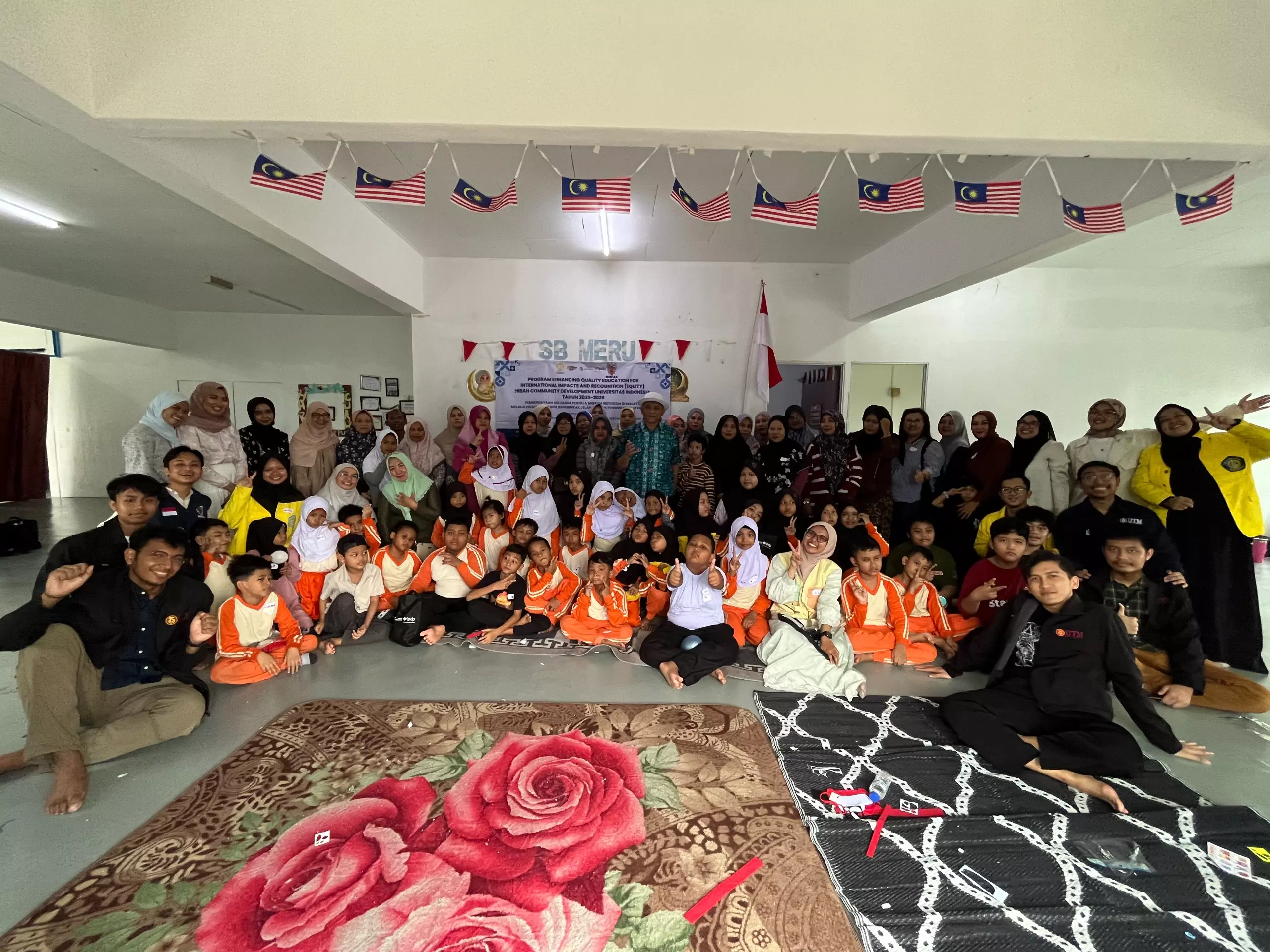
The science education sessions sought to stimulate children’s curiosity and encourage exploration through engaging scientific learning experiences. Meanwhile, the parenting workshop provided practical guidance on maintaining meaningful parent-child relationships despite demanding work schedules.
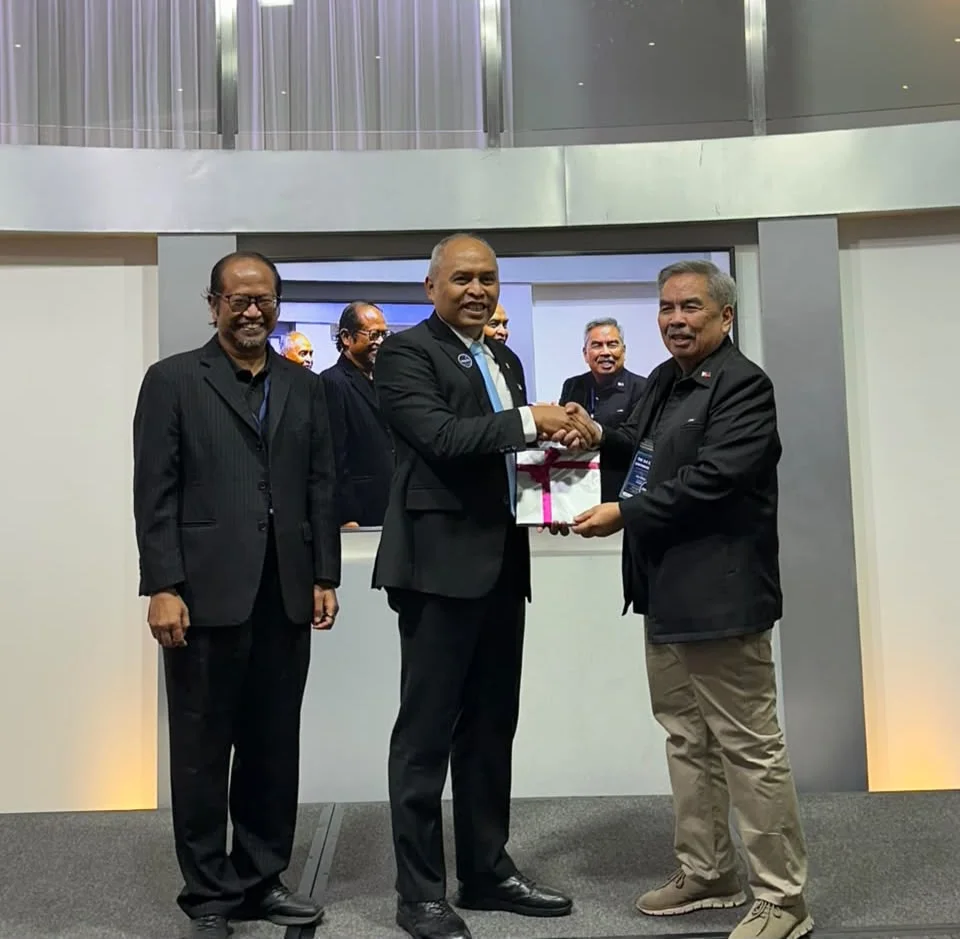
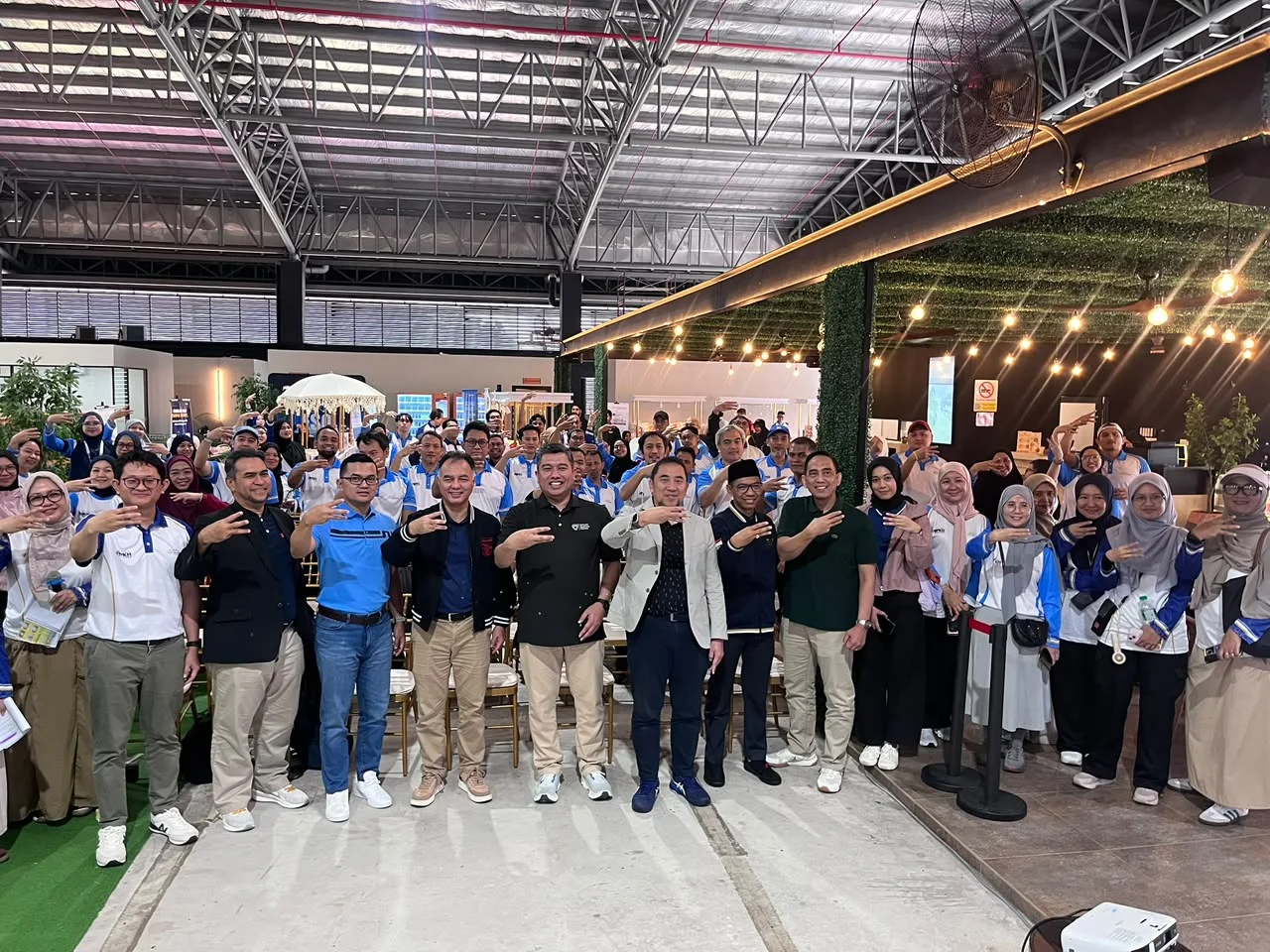
As the keynote speaker for the parenting seminar, Dini emphasized that even brief moments of quality interaction can have a significant impact on children’s well-being. “Even five minutes of a parent’s presence at home can be extremely valuable for a child,” she said. Dini also expressed hope that similar educational initiatives could be expanded to other countries with large Indonesian diaspora communities. “We hope to bring programs like this to other countries in the future. Many Indonesians abroad need support to enhance their skills and raise their children. These efforts represent a new opportunity for Indonesia to continue progressing toward the vision of Golden Indonesia 2045,” she added. Strengthening Regional Collaboration for Community Impact. The collaboration between UI and UTM demonstrates how cross-border partnerships can contribute to the well-being of Indonesian migrant workers and their families. Beyond education and community empowerment, the initiative serves as an example of how academic institutions can play an active role in supporting vulnerable communities and strengthening ties between Indonesia and Malaysia. Organizers hope that the partnership will inspire other institutions and stakeholders to undertake similar initiatives, extending support to Indonesian communities abroad and fostering a stronger sense of solidarity among fellow citizens overseas.





Komentar 0
Tulis Komentar Bagikan tanggapan Anda