

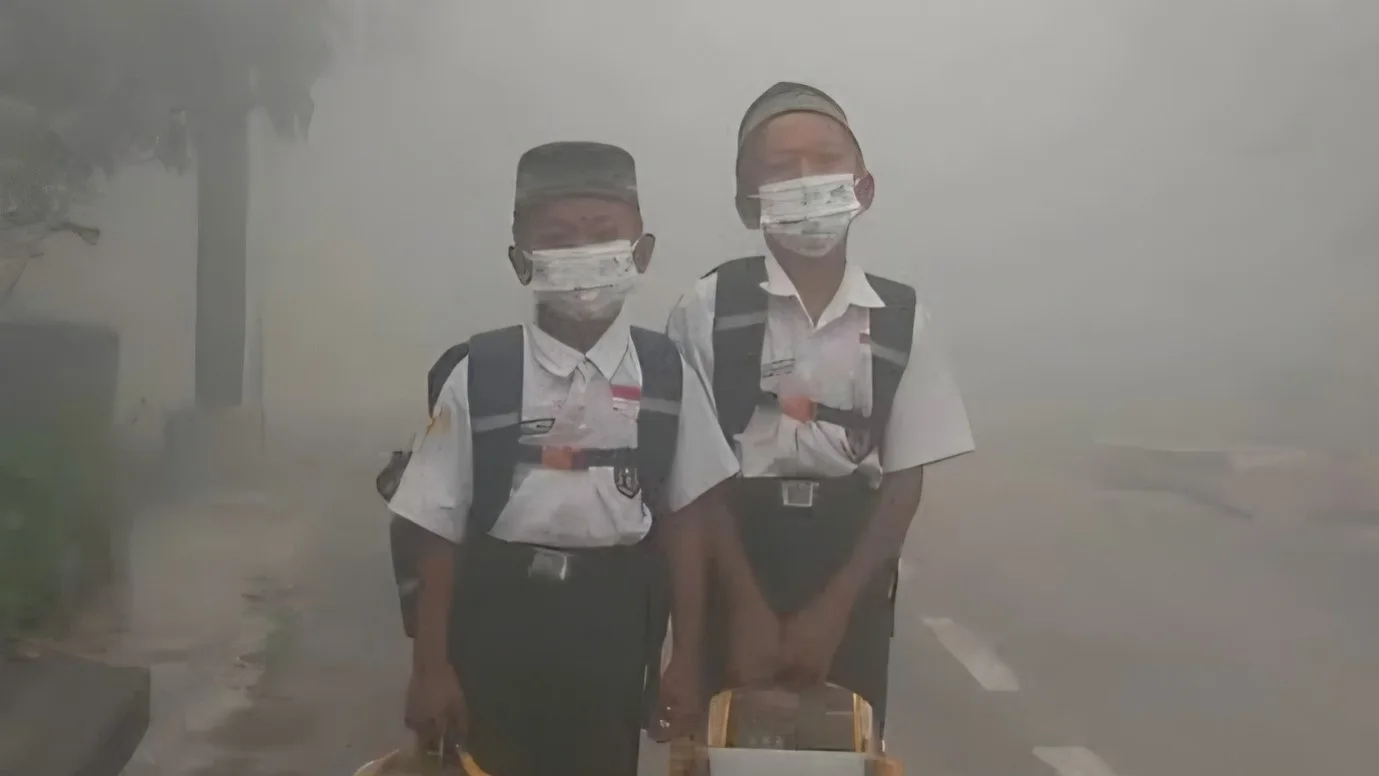
JurnalPost.com - Imagine a primary school student who should be heading to school full of excitement. Instead, one morning, the air is thick with smoke, the sky looks gray, and their eyes sting from the haze blanketing the area.
This situation is a reality for children in regions affected by forest and land fires. These fires are not merely an environmental issue; they are a disaster that threatens children's health, education, and quality of life.
Amidst these threats, early environmental education is a key factor in fostering awareness among the younger generation regarding nature conservation.
Forest and Land Fires in Indonesia: An Ongoing Threat
Based on data from the Ministry of Forestry's Fire Monitoring System (SiPongi), the total area of forest and land fires throughout 2025 reached 359,619.42 hectares.
Meanwhile, for the period of January–July 2026, the area affected by fires was recorded at 202,004.30 hectares, an increase of approximately 69 percent compared to the same period in 2025.
These figures indicate that despite ongoing prevention and firefighting efforts, forest and land fires remain a serious challenge in Indonesia.
Therefore, these fires should not be viewed solely as an environmental issue. This disaster must also be understood as a matter of public health, child protection, and the continuity of education.
Haze and Threats to Children's Health
Smoke from fires contains various hazardous particles, including PM2.5, which are fine particles measuring less than 2.5 micrometers that can penetrate deep into the respiratory tract.
The World Health Organization (WHO) explains that children are among the groups most vulnerable to the effects of air pollution because their lungs and immune systems are still developing.
Furthermore, children inhale more air than adults relative to their body weight.
Exposure to haze can cause eye irritation, respiratory issues, aggravated asthma, and shortness of breath. Such conditions certainly disrupt a child's ability to participate in learning activities comfortably.
Beyond physical health, the experience of witnessing their surroundings burning can also trigger anxiety and fear.
Therefore, protecting children in fire-affected areas must encompass their physical health, sense of security, and psychological well-being.
When Learning Spaces Become Limited
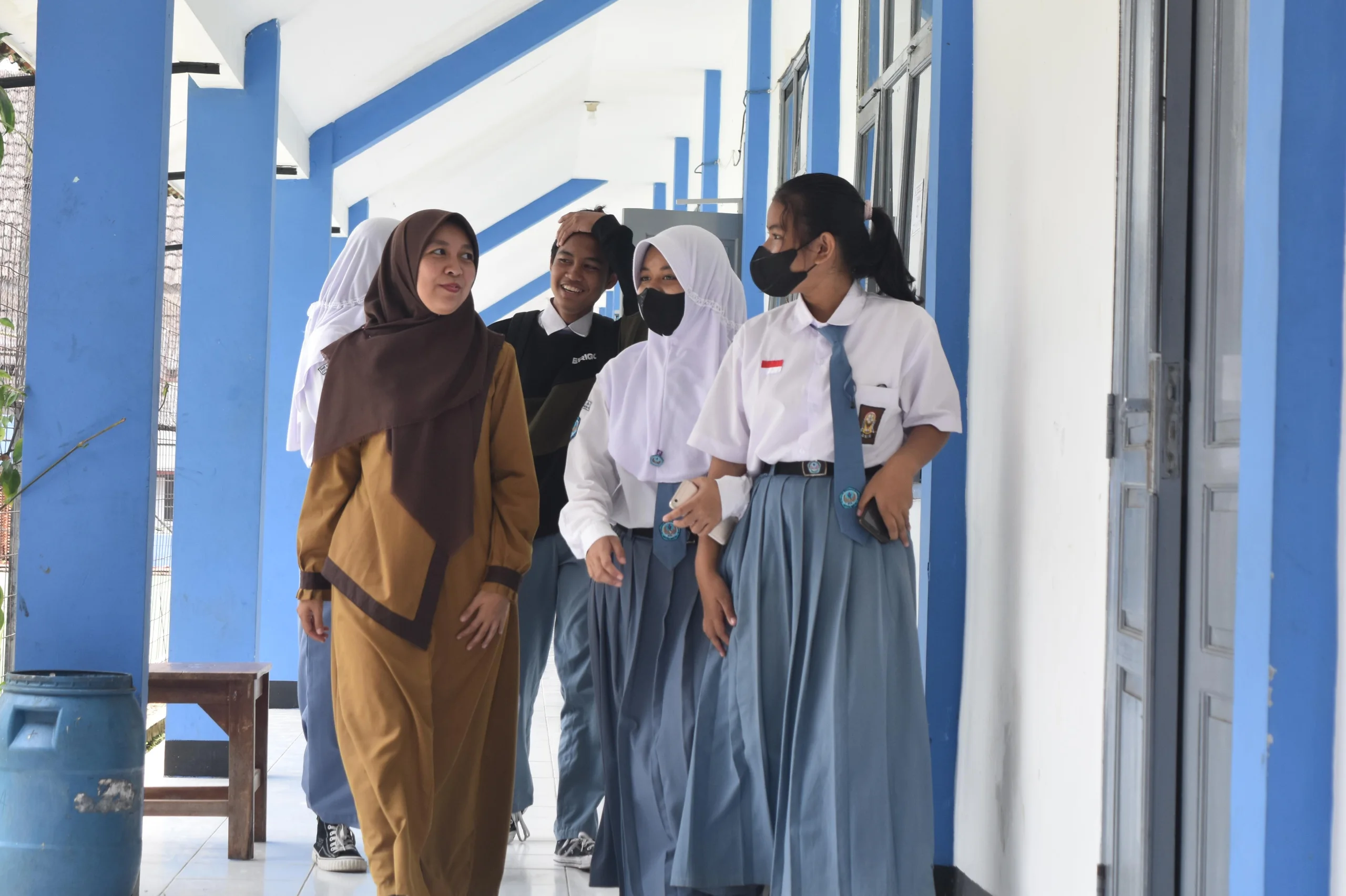
When smoke blankets school grounds, various educational activities are disrupted. Physical education and outdoor learning must be restricted to protect students' health.
In certain conditions, schools may adjust their schedules or implement remote learning from home.
However, such policies are not always easy for every family to implement. Not all children have access to adequate internet, learning devices, or adult supervision while studying at home.
As a result, learning disruptions are felt differently by each child, especially those living in areas with limited educational facilities.
Beyond losing the opportunity for optimal learning, children also lose space to play and engage in activities in a healthy environment, even though play is a crucial part of their growth and development.
Why Should Environmental Education Start Early?
At the primary school age, children begin to develop the ability to understand cause-and-effect relationships while forming habits that can last into adulthood.
Therefore, environmental education needs to be introduced through issues close to their daily lives, including the causes and impacts of forest and land fires.
Children can be taught that uncontrolled use of fire has the potential to cause fires. Dry weather conditions can also make it easier for fires to spread over wider areas.
Beyond understanding the causes, children need to know that preventing forest fires is a shared responsibility.
However, children should not be burdened with the responsibility of solving problems that require action from adults and the government.
Instead, they should be equipped with knowledge and simple habits that are safe and appropriate for their developmental stage.
Learning to Protect the Environment in a Fun Way
Environmental education is more meaningful when children are not just asked to memorize definitions, but are invited to observe, discuss, and perform simple activities.
Teachers can utilize various engaging learning media, such as picture books, posters, short stories, and educational games.
For example, students can create posters themed "Protect the Forest, Protect the Future" or "Clean Air, Healthy Children."
These activities can also be integrated into subjects such as Natural and Social Sciences (IPAS), Indonesian Language, and Pancasila Education.
Through a fun approach, children can understand the importance of protecting the environment without feeling overwhelmed by overly complex issues.
Additionally, safety education is necessary. Children must understand that they should not approach fire, attempt to extinguish large fires themselves, or play in fire-affected areas.
If they spot signs of danger, children should immediately inform an adult and follow the instructions of authorized personnel.
The Role of Teachers, Parents, and the Community
Environmental education cannot be fully placed on schools. Its success requires the involvement of teachers, parents, the community, and the government.
Teachers play a vital role in conveying accurate environmental knowledge that is easy to understand and age-appropriate.
Information regarding disasters should also be delivered calmly so that children gain understanding without experiencing excessive fear.
Meanwhile, parents can provide a model through daily habits, such as not burning trash indiscriminately, keeping the environment clean, and teaching children to report to adults if they see potential fire hazards.
The community can also participate in environmental outreach, fire prevention, and reporting fire indicators to the authorities.
The government has the responsibility to strengthen forest fire prevention measures, provide air quality information that is easy for the public to understand, and ensure the protection of health and education for children in affected areas.
Collaboration among these various parties is a crucial part of building a safer environment for children's growth and development.
Fostering Care Without Instilling Fear
Education about forest fires must be delivered with a thoughtful approach. Information that is too frightening can make children feel anxious and helpless.
Therefore, the delivery of material must be adjusted to their age and level of understanding.
Children need to recognize the benefits of forests, understand the risks of fire, and know simple actions they can take to protect the environment.
Activities such as maintaining cleanliness, caring for plants, not playing with fire, and reminding adults about potential hazards can be initial steps in fostering care.
The most important thing is to build awareness that everyone can contribute to protecting the environment according to their abilities and responsibilities.
Children do not have to be forest rescuers on their own. They simply need to be guided to grow into individuals who are caring, responsible, and appreciative of nature conservation.
Protecting Forests, Safeguarding Children's Futures
Environmental education starting from primary school is an important foundation for building a generation that cares about nature.
However, education alone is not enough to overcome the threat of forest and land fires.
Child protection also requires serious fire prevention measures, strict enforcement of regulations, responsible land management, and disaster management that prioritizes public safety and health.
Protecting forests essentially means protecting children's rights to breathe clean air, receive a proper education, and play and grow in a safe environment.
By protecting the environment today, we are not only shielding nature from destruction but also safeguarding the future of Indonesia's children.





Comments 0
Write a Comment Share your response