


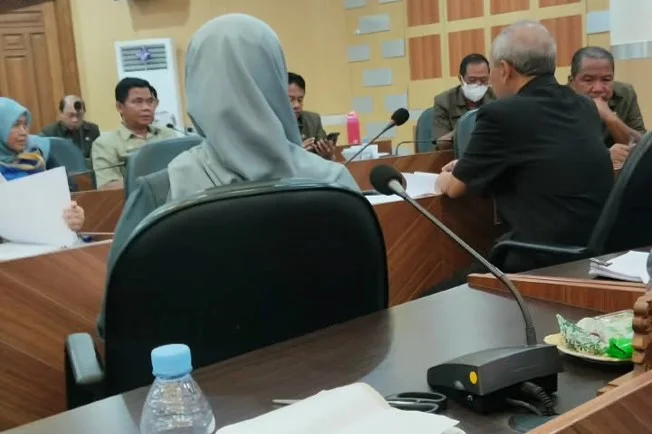
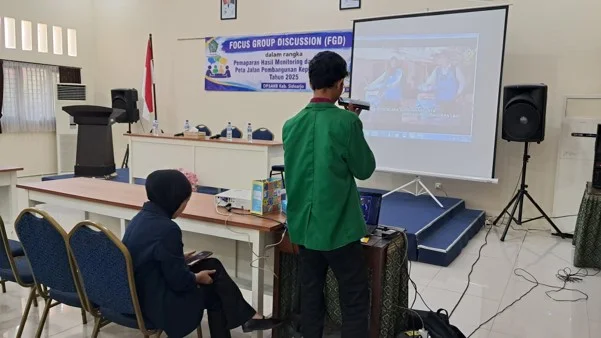
WASIOR, WEST PAPUA, JurnalPost.com — Team 18 of the University of Indonesia's (UI) Patriot Expedition held a series of hearings with various agencies in Teluk Wondama Regency, West Papua, from August 27 to September 1, 2026.
The activities were conducted as part of field data collection to support research titled “Regional-Based Logistics Management Model and Local Commodity Potential as an Effort to Create Land and Sea Transport Connectivity in Transmigration Areas via Windesi Port, Teluk Wondama.”
These hearings aimed to gather strategic information while strengthening coordination with regional stakeholders to develop a logistics management model tailored to the characteristics of the Teluk Wondama region.
The UI Patriot Expedition Team 18 is working to design a regional-based logistics model that integrates local commodity potential with land and sea transport systems. In this research, Windesi Port is projected to be a key node in supporting economic connectivity for transmigration areas.
This effort is considered crucial given the complex geographical nature of West Papua, the limited transport infrastructure in several areas, and the need for a more effective and sustainable goods distribution system.
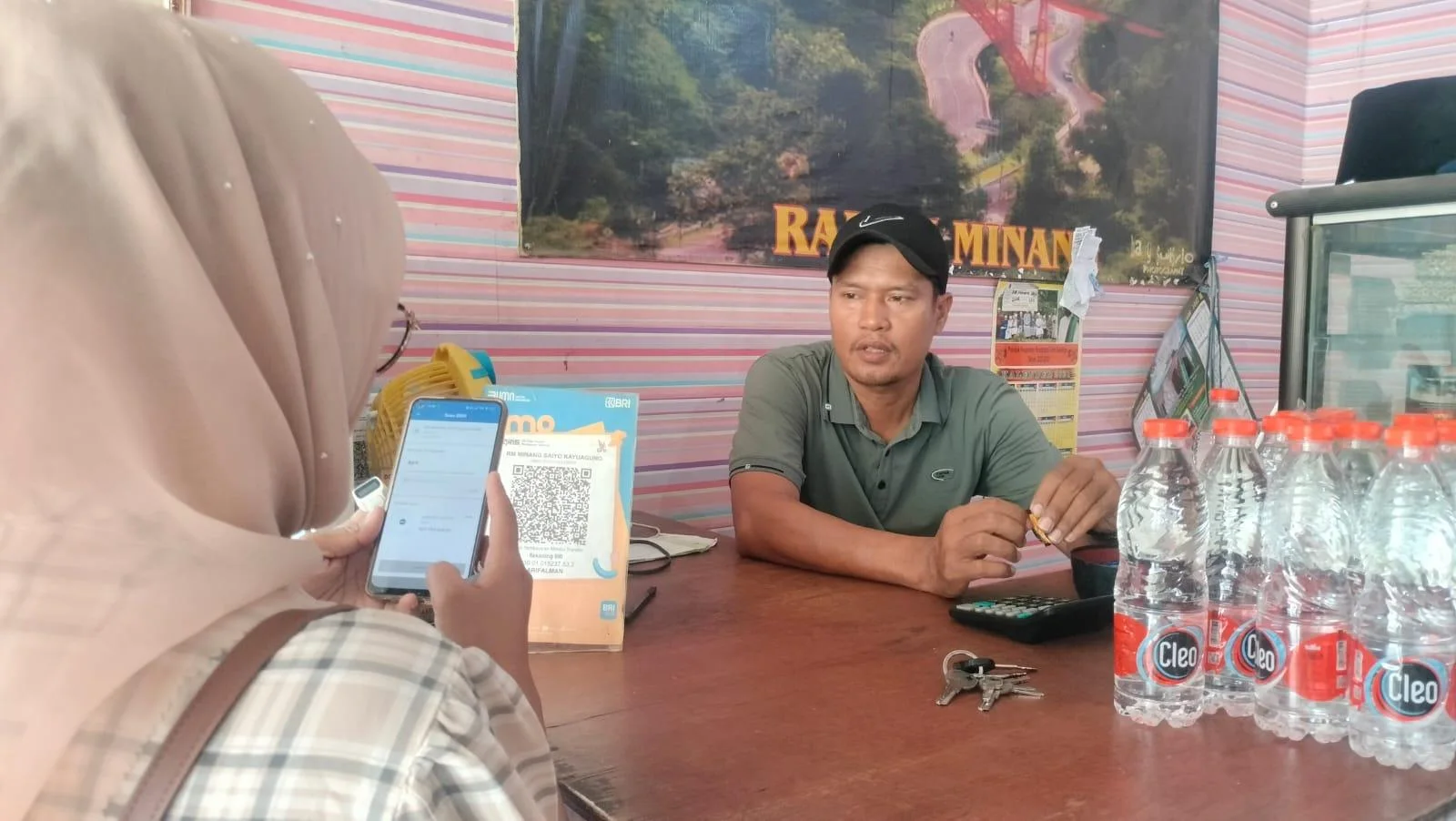
During the primary data collection process, Team 18 conducted interviews and discussions with various local government agencies and relevant parties involved in regional development, transportation, infrastructure, and the local economy.
Agencies visited included the Department of Transmigration and Manpower, the Department of Agriculture and Food of Teluk Wondama Regency, the Department of Transportation, the Wasior Port Management Unit (UPP), the Regional Development Planning, Research, and Development Agency (BP4D), and the Department of Public Works and Public Housing (PUPR).
Most of these hearings took place in Wasior, the capital of Teluk Wondama Regency.
From the interviews and discussions, the team obtained various information regarding the condition of the agricultural sector, the potential of regional flagship commodities, goods distribution patterns, transport infrastructure conditions, and the direction of regional development policies.
Additionally, Team 18 explored the various challenges faced in connecting production areas with public service centers and markets.
Heads and representatives from each agency provided input regarding the opportunities and obstacles in developing a regional logistics system.
This information serves as essential material for the team to identify local commodities with economic potential, analyze transport network needs, and formulate integration strategies between land and sea transport via Windesi Port.
Beyond interviewing stakeholders, Team 18 also observed the condition of the region's supporting infrastructure.
The review covered aspects of transport accessibility, goods distribution facilities, road network conditions, and the level of inter-regional connectivity.
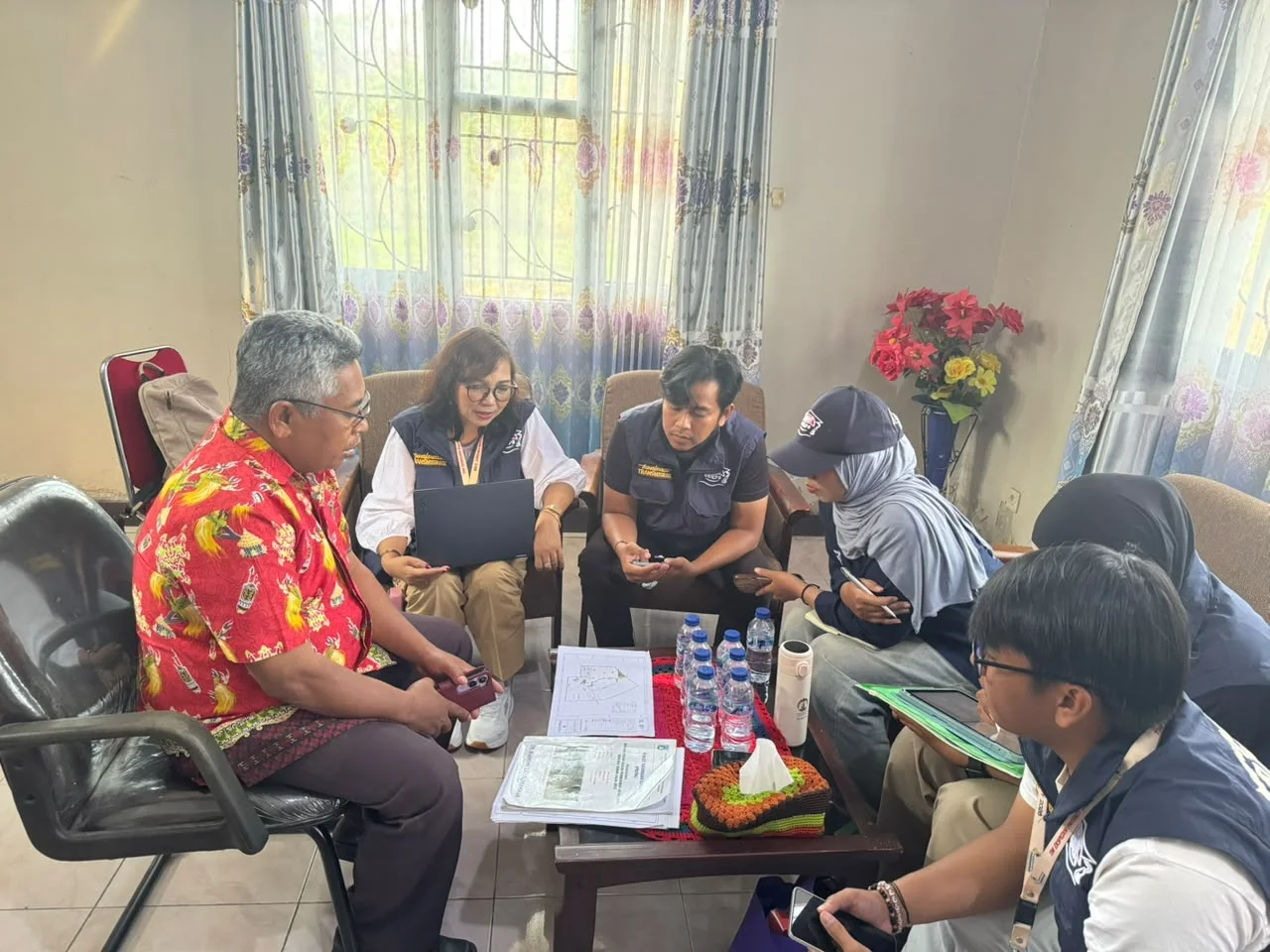
The results of the field data collection will serve as the basis for developing a logistics management model adapted to the conditions and characteristics of Teluk Wondama Regency, particularly the transmigration area in Werianggi Village.
The development of this regional-based logistics management model is expected to be a strategic approach to strengthening the economy of both the transmigrant community and the local population.
Through a more integrated logistics system, supply chain efficiency for commodities is expected to increase, allowing local products to be distributed more easily to markets.
Improved connectivity between land and sea transport routes is also expected to open wider economic access for the community and increase the added value of various local resources.
This assignment of the Patriot Expedition Team in Teluk Wondama Regency serves as an initial step in building synergy between academics, the local government, and other stakeholders in developing transmigration areas based on local potential.
Through this collaboration, the research conducted by the UI Patriot Expedition Team 18 is expected to produce applicable and relevant recommendations to strengthen logistics systems, transport connectivity, and regional economic development in Teluk Wondama, West Papua.



Comments 0
Write a Comment Share your response