

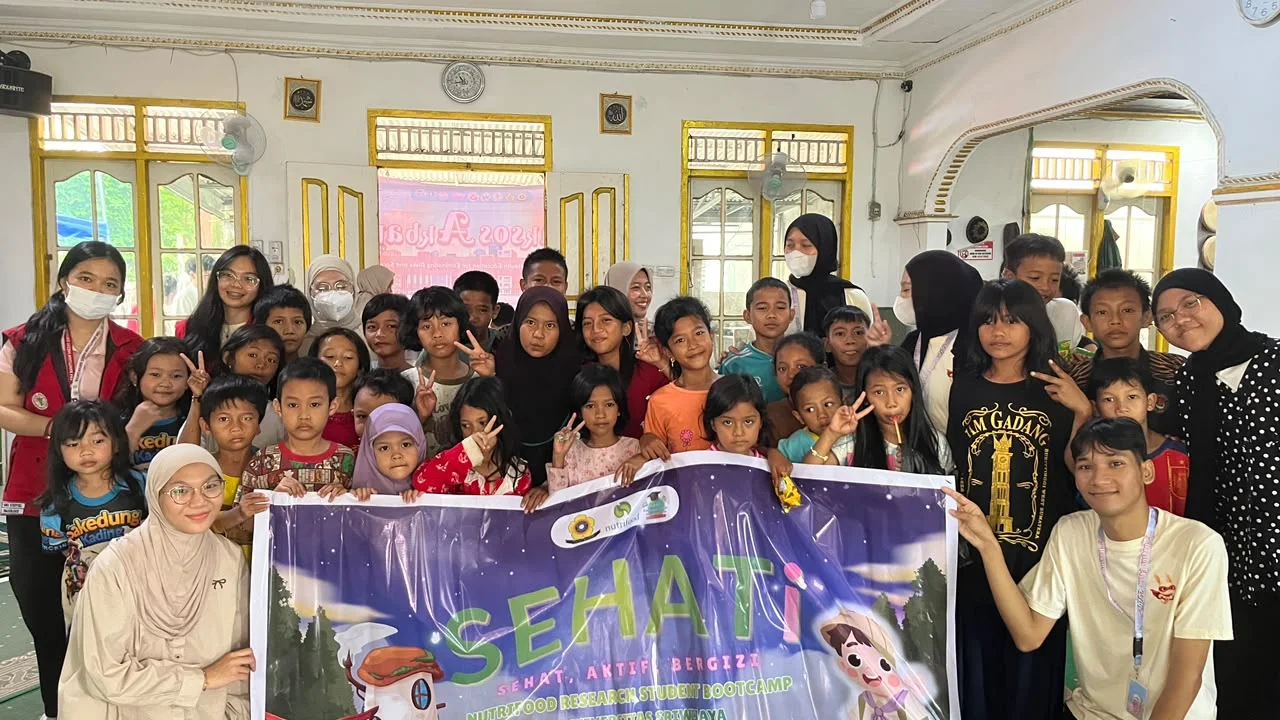
PALEMBANG, JurnalPost.com — A total of 102 children in Palembang participated in the SEHATi (Healthy, Active, Nutritious) nutrition education program initiated by a team of university students. The activities, held across four locations, combined lessons on balanced nutrition with interactive games to help children better understand the importance of healthy eating and lifestyle habits.
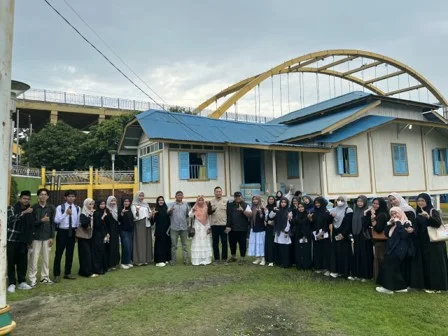
Carrying the spirit of “Healthy today, great tomorrow,”the SEHATi program was conducted at the Genlita Literacy Barn, the 26 Ilir low-cost housing complex, the Peduli Anak Yatim Orphanage, and SD Negeri 156 Palembang.
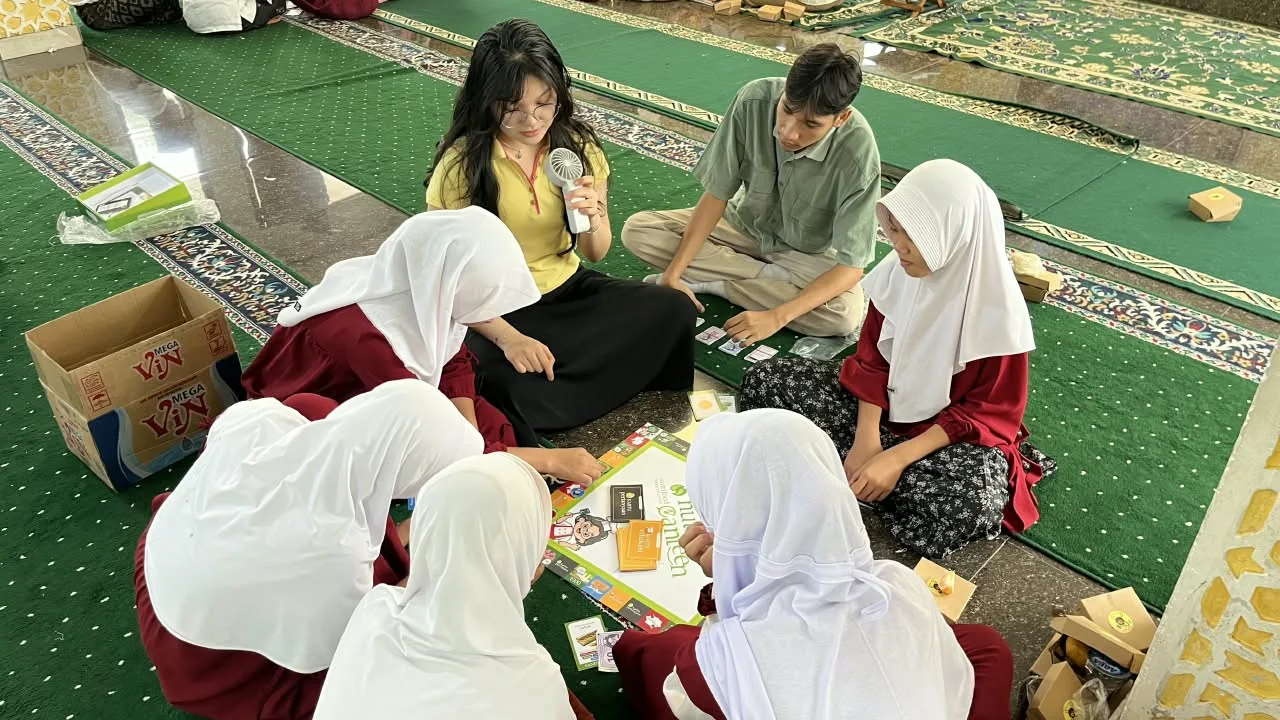
Unlike traditional health outreach that relies solely on lectures, the students introduced nutrition concepts through an educational monopoly game. The children did not just listen to explanations but actively engaged in various health-related challenges and activities.
This approach was part of the SEHATi team's effort to make nutrition education more accessible to children while helping them identify healthy food choices.
Evaluation Results Show Improved Nutrition Knowledge
One of the key achievements of the SEHATi program was evidenced by the evaluation of participants' knowledge before and after the activities.
The implementation team used pre-test and post-test methods to measure changes in the children's understanding of the nutrition material provided.
Based on the SEHATi team's evaluation data, all four locations showed an increase in scores after participants completed the learning series.
The average increase in scores across the four locations reached 18.92 percentage points.This figure was derived from comparing the results of measurements taken before and after the education sessions at each location.
These results suggest that learning activities combining health information with games can help improve participants' short-term understanding.
However, an increase in knowledge scores does not necessarily indicate a change in the children's daily eating habits. The impact on long-term health behavior still requires further monitoring.
For the student team, this evaluation served as a way to assess the effectiveness of the activities and determine how well the material was understood by the participants.
Learning Nutrition Through Monopoly and 'My Plate' Games
During the sessions, the children participated in several activities designed to create a fun learning environment.
One of the primary tools used was an educational monopoly game. Through this game, participants were introduced to various health facts, concepts of nutritious food, and the importance of maintaining a balanced diet.
The game was designed to incorporate elements of challenge and participation, allowing children to learn while interacting with their peers.
In addition to the educational monopoly, the SEHATi team organized activities that involved moving from one learning station to another.
In this session, participants took part in the 'Isi Piringku' (My Plate) game to learn about the composition of a balanced meal portion.
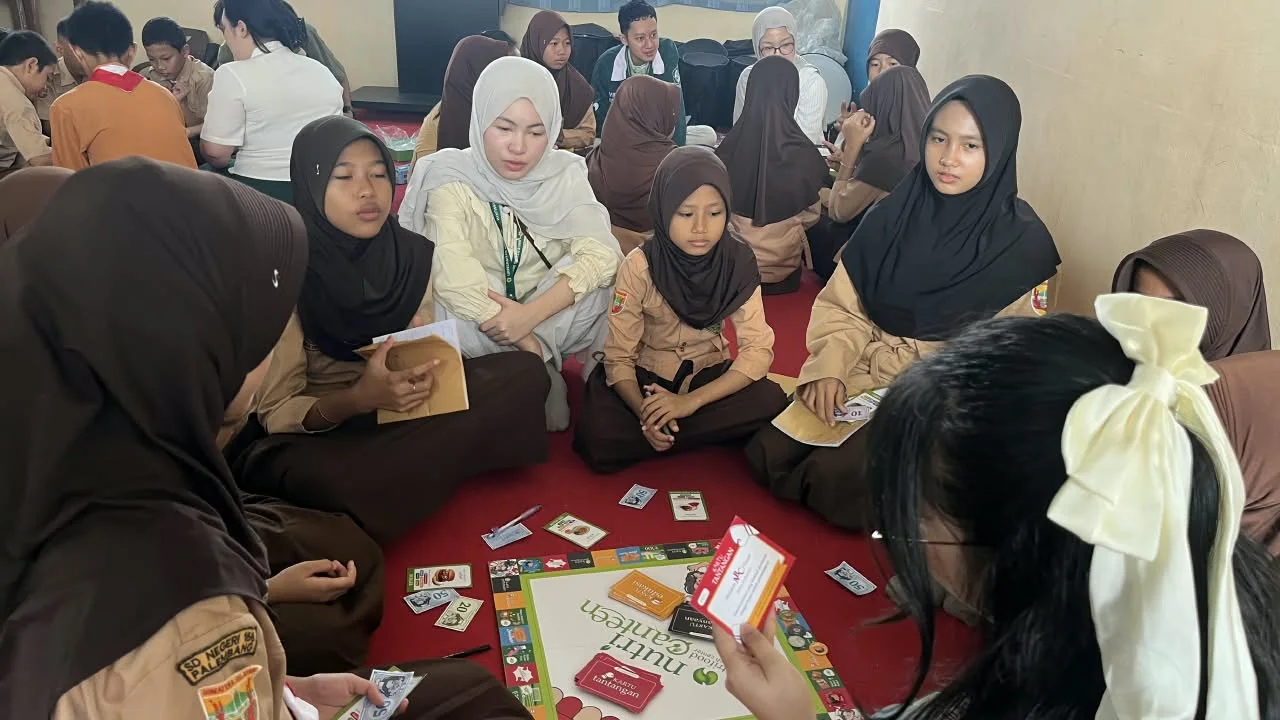
The children also underwent anthropometric measurements as part of the activity series and shared their impressions and commitments through a 'Hope Tree' activity.
Through the Hope Tree, participants were given the opportunity to express their understanding and aspirations following the health education.
This combination of activities ensured that learning was not just centered on information delivery but also involved hands-on experiences that helped children retain health messages.
Students Prepared the Program Through Six Stages
The implementation of SEHATi at four locations was not just focused on field activities.
Before meeting the participants, the student team carried out six preparatory stages to ensure that the materials and learning methods met the needs of the program.
These stages included program planning, needs assessment, development of educational modules, a one-day volunteer training, creation of learning media, and the final execution of the activities.
The needs assessment was a crucial part of the preparation to identify the conditions and characteristics of the participants, given that the activities were held in different environments.
Meanwhile, the development of modules and learning media was conducted to support the delivery of nutrition information in a way that is easily understood by children.
Volunteer training was also an essential component to ensure that the activities followed a structured learning flow, from material introduction and initial evaluation to educational games and final assessment.
With this preparation, the team aimed to maintain consistency in delivering the material despite the activities taking place in four different learning environments.
Encouraging Healthy Habits from an Early Age
Nutrition education for children is a vital step in introducing the relationship between food, daily activities, and physical health.
Understanding balanced nutrition can help children recognize the types of food that need to be consumed in a diverse and proportional manner.
Through a game-based approach, complex material can be introduced in a simpler and more engaging way.
The SEHATi program also provided students with experience in applying health knowledge directly through community-based activities.
The students' involvement in material development, volunteer training, and participant mentoring demonstrates how educational activities can be designed by combining academic knowledge with creative approaches.
Although the program has reached 102 children, the sustainability of the education remains an important aspect to ensure that the knowledge gained does not fade after the program ends.
Support from families, schools, and the surrounding community is necessary to help children apply their knowledge of healthy eating habits in their daily lives.
The achievements of SEHATi in four Palembang locations highlight the potential of using educational games as a tool for health learning.
With an increase in knowledge scores across all implementation sites, this program serves as an example of student contribution to expanding children's nutrition literacy through interactive, participatory, and evaluated learning activities.



Comments 0
Write a Comment Share your response