


Jakarta, JurnalPost.com — Learning Japanese no longer has to stop when the class ends. Royyuda Agusto Ompusunggu, affectionately known as Sansan, has introduced the Student Portal, a Learning Management System (LMS) developed to support learning activities within the Nande Nihon educational community.
Royyuda, the founder of Nande Nihon, recognized that technological advancements could be leveraged to provide a more flexible learning environment for participants. Through this platform, students can revisit lessons even after class sessions have concluded.
The Student Portal is now being utilized in Nande Nihon's Japanese language program as a digital learning space that consolidates various student needs into a single system.
Everything from learning materials, class schedules, assignments, and quizzes to progress tracking can be monitored through the platform. An attendance feature is also available, along with digital certificates that participants can access upon completing the program requirements.
For Royyuda, the creation of this platform stemmed from a simple need. He wanted students to have a space to continue their learning process without being entirely dependent on scheduled class meetings.
“I want students to have their own learning space. This way, the learning process does not only take place when the class starts, but can be continued independently through the materials, assignments, quizzes, and progress monitoring available in the Student Portal,” said Royyuda.
With this concept, participants can review previously studied materials, complete assignments, take quizzes, and view their learning progress independently.
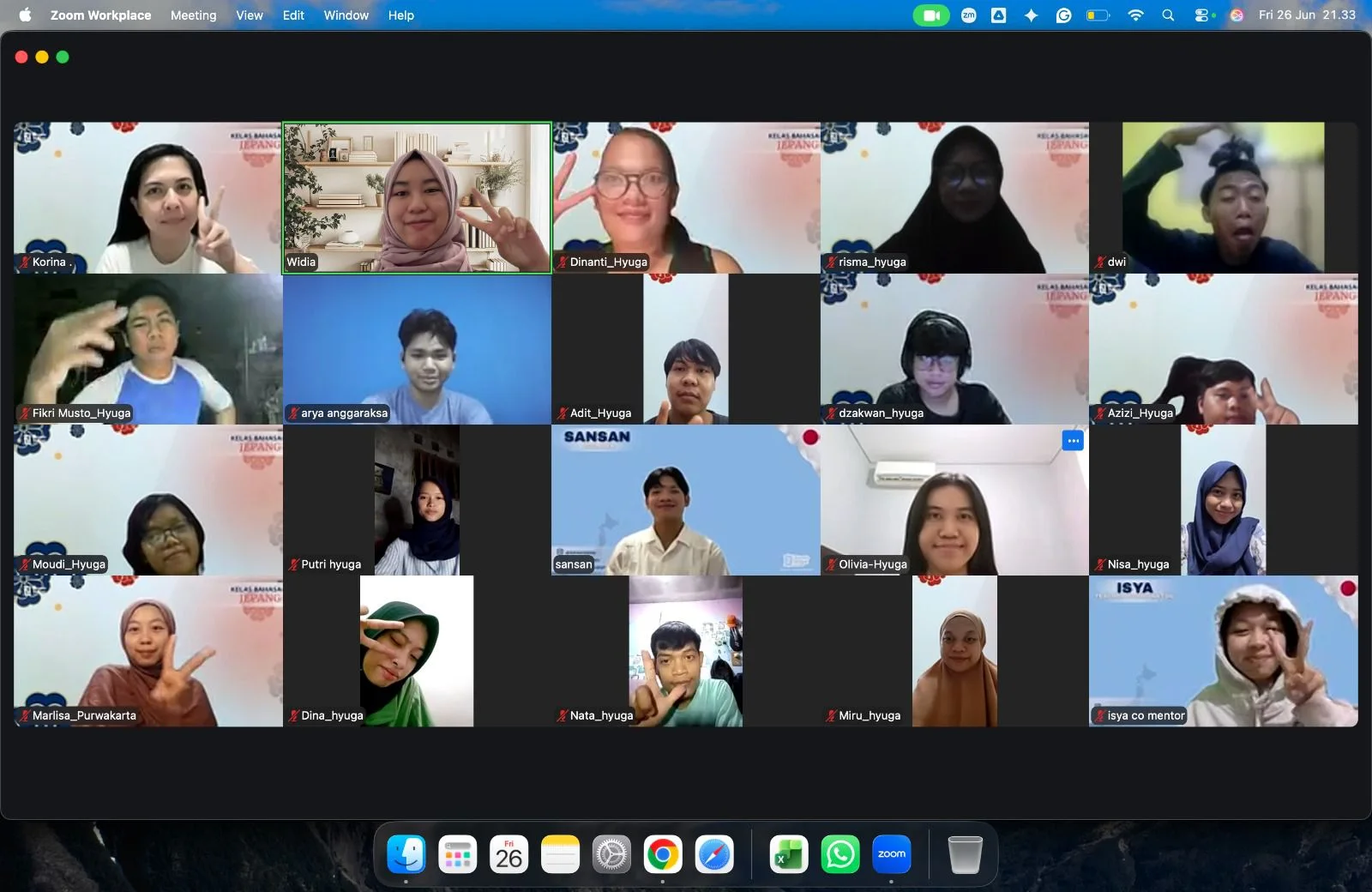
This is considered crucial, especially in foreign language learning, which requires consistent practice and repetition.
More Than Just Building a Platform
Royyuda believes that utilizing technology in education is not enough if it only involves presenting an application or a digital system.
According to him, technology must be able to address the needs of learners while helping them understand their individual learning development.
“For me, creating a learning platform is not just about technology. The most important thing is how that technology truly helps students learn and understand how far they have progressed,” he said.
Therefore, the Student Portal is designed with a number of features directly related to learning activities.
Participants are not just users reading materials; they can also engage in learning activities, complete assignments, and see the progress they have achieved throughout the program.
The use of this LMS is also a step by Nande Nihon toward developing a more structured learning system by leveraging digital technology.
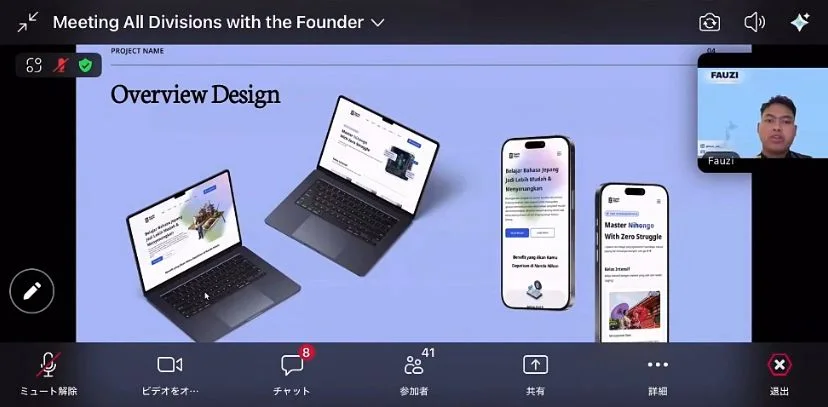
Originating from Nande Nihon
Nande Nihon is an educational community established in 2025. The community focuses on language learning and introducing Japanese culture to the Indonesian public.
Since its inception, Nande Nihon has developed various educational activities for people interested in Japan.
The development of the Student Portal has become part of the community's effort to adapt its learning methods to the evolving needs of its students.
With a digital system, learning materials and activities can be documented and accessed by participants whenever needed.
In addition to providing flexibility, the system also allows participants to view their learning process in a more measurable way, as their activities and progress are recorded on the platform.
Future Developments
The Student Portal currently in use is not the final stage of development.
Royyuda plans to continue refining the platform in stages by adding various other learning needs and features.
Development will be adjusted based on participant needs and the evolution of the learning programs run by Nande Nihon.
This step is expected to make the use of technology in Japanese language learning more relevant, especially for participants who require more flexible learning methods amidst their daily activities.
For Royyuda, technology is ultimately more than just a supplement to the educational process. Its presence is intended to be a tool that makes it easier for participants to learn, track their progress, and stay connected to the learning process even after class sessions have ended.







Comments 0
Write a Comment Share your response