


Hanina1, Tuti Herawati2, Rahma Yunita Ansi3, Muhamer Sukri Sitorus4, Zulfiqri Panjaitan5, Khazinatul Aulia6
1Mathematics Education Study Program, Universitas Asahan
2Indonesian Language and Literature Study Program, Universitas Asahan
3English Education Study Program, Universitas Asahan
4English Education Study Program, Universitas Asahan
5Mathematics Education Study Program, Universitas Asahan
6English Education Study Program, Universitas Asahan
1[email protected], 2[email protected], 3[email protected], 4[email protected], 5[email protected], 6[email protected]Abstract
Excessive gadget use in early childhood can negatively impact child development, such as reduced social interaction, decreased physical activity, impaired concentration, and digital device dependence. This activity aims to address gadget dependence in young children by implementing a gradual digital detox method. The method employs a qualitative descriptive approach through education, parental support, gradual reduction of gadget usage time, and redirecting children's attention through play, learning, and creative activities. The implementation also involves parents in building healthier gadget usage habits tailored to the child's developmental needs. Observations show a positive response from children toward non-digital activities and their engagement in direct play and learning. The gradual approach provides children the opportunity to adapt to gadget usage restrictions without abrupt cessation. Although quantitative measurements of gadget usage duration changes were not conducted, the results indicate that a gradual digital detox has the potential to be an effective approach for managing gadget use in early childhood. Successful implementation requires guidance, consistency, and the involvement of parents and the surrounding environment.
Keywords: Early childhood, gadget addiction, digital detox, gadget use, parental support.
Abstract
Excessive gadget use among young children can negatively affect several aspects of their development, including reduced social interaction, decreased physical activity, impaired concentration, and dependence on digital devices. This community service activity aims to address gadget dependence among young children through the implementation of a gradual digital detox method. The study employed a descriptive qualitative approach involving education, parental assistance, gradual reductions in gadget use, and the introduction of alternative activities such as playing, learning, and creative engagement. Parents were also involved in promoting healthier digital habits appropriate to children's developmental needs. Observations indicated positive responses from children toward non-digital activities and greater engagement in direct play and learning experiences during the activity. The gradual approach allowed children to adapt to restrictions on gadget use without abruptly discontinuing access. Although no quantitative measurements were conducted to assess changes in gadget use duration, the findings suggest that gradual digital detox may serve as a potential approach to managing gadget use among young children. Its successful implementation requires consistent guidance, parental involvement, and support from the surrounding environment.
Keywords: Early childhood, gadget addiction, digital detox, gadget use, parental assistance.
Introduction
The development of digital technology has brought major changes to human life, including how we communicate, access information, learn, and carry out daily activities. One form of this technological development is the use of gadgets, such as smartphones, tablets, and laptops, which offer various functions to facilitate human activities.
Gadgets are no longer considered luxury items but have become a necessity for society, ranging from children and teenagers to adults and the elderly. In modern life, gadget usage is increasing alongside the growth of internet access and social media (Kesehatan & Umar, 2025).
Behind their various benefits, excessive gadget use can have negative impacts, especially on young children. Children who use gadgets too frequently are prone to dependence, spending more time playing digital games, watching videos, or accessing content online rather than engaging in physical activity and interacting directly with their surroundings.
Winoto, as cited in Astuti et al. (2015), emphasizes that providing a personal mobile phone to a child requires considering the child's ability to use the device wisely. This relates to the child's developmental capacity to understand the benefits and risks of technology use.
Uncontrolled gadget use can affect social interaction patterns, concentration, and a child's play and learning habits. Therefore, parental guidance and supervision are necessary to ensure that technology use remains aligned with the child's developmental needs.
Several studies emphasize the importance of the parental role in supervising gadget use in early childhood. Parents need to set limits on gadget usage to protect children from the various negative impacts of excessive use (Putriana, Pratiwi, & Wasliah, 2019; Sahriana, 2019).
Parental support and guidance are also necessary, especially for children who are already accustomed to using gadgets for long durations. Through consistent supervision and habituation, gadget usage can be reduced gradually (Karwati, Kurniawan, & Anggraeni, 2020).
One approach that can be applied is the digital detox method. This method involves gradually reducing the use of digital devices and replacing them with activities more suited to the child's developmental needs.
A gradual approach is considered important because changing a child's habits requires a process of adaptation, support, and consistency. Abruptly stopping gadget use is not always easily accepted by children, especially if gadgets have become part of their daily routine.
Based on these issues, this community service activity aims to describe the implementation of a gradual digital detox method in reducing gadget dependence in early childhood.
Furthermore, this activity aims to observe children's responses and habit changes while participating in non-digital activities and to provide parents with an understanding of the importance of managing gadget use in a directed, gradual, and consistent manner.
Implementation Method
This community service activity uses a descriptive qualitative method with an educational and supportive approach. This method is used to describe the process of implementing a gradual digital detox in an effort to reduce gadget dependence in early childhood.
The implementation of the activity includes identifying gadget usage habits, providing education, implementing a gradual reduction in gadget use, redirecting activities, as well as providing support and evaluation.
Time and Place of Implementation
The community service activity was held on 4 September 2026, from 08.30–11.00 WIB, located in Hamlet II, Punggulan Village.
This activity involved an implementation team consisting of lecturers and students, as well as activity partners consisting of young children, teachers, and parents or guardians.
The number of participants who attended the activity was 53 people, consisting of two lecturers, 19 students, 20 children, two teachers, and 10 parents or guardians.
Implementation Procedure
The activity began with a preparation phase involving team coordination, observation of partner conditions, preparation of educational materials, and preparation of tools and media used in the activity.
Subsequently, the activity was carried out by delivering material on the impacts of excessive gadget use, introducing the gradual digital detox method, and providing alternative activities that children can do without using digital devices.
Parents were also provided with education and support on how to manage their children's gadget usage time gradually.
In the final stage, an evaluation was conducted to determine the participants' understanding and the responses of children and parents to the activities that had been carried out.
Stages of Digital Detox Implementation
1. Identification of gadget usage habits
The first stage was carried out through observation and communication with parents to obtain an overview of the children's gadget usage habits.
Identification included the duration of use, the type of digital activities performed, and the children's responses when gadget use was restricted.
2. Education for children and parents
The second stage involved providing education on healthy gadget use and the impacts of excessive digital device use.
Parents were given an understanding of the importance of supervision, support, and managing gadget usage time according to the child's developmental needs.
3. Implementation of gradual digital detox
The third stage was carried out by introducing a slow and measured reduction in gadget usage duration, rather than an immediate cessation.
The reduction in gadget use was adjusted to the child's habits and accompanied by the provision of engaging alternative activities.
4. Redirection to non-digital activities
The fourth stage involved inviting children to participate in various activities without using gadgets, such as playing together, drawing, reading, learning, engaging in creative activities, and interacting with friends and family.
These activities aimed to provide fun play and learning experiences while helping to reduce dependence on digital devices.
5. Support and evaluation
The final stage consisted of support and evaluation of the children's responses while participating in the activities.
Observations focused on the children's involvement in non-gadget activities, their responses to gadget usage restrictions, and their ability to participate in direct play and learning activities.
The results of the observations and information obtained from parents were then described to provide an overview of the implementation and the participants' responses to the gradual digital detox method.
Results
The results of observations during the activity indicate that gadget use in early childhood needs to be accompanied by support and management that aligns with the child's developmental needs.
Children's interest in digital devices can make them prefer gadget-based activities over playing or interacting directly with their surroundings.
Therefore, managing gadget use is not enough to be done solely through access restrictions; it also needs to be accompanied by the provision of alternative activities that are engaging and suitable for the characteristics of young children.
The implementation of a gradual digital detox in this activity was carried out through an approach that did not require children to stop using gadgets abruptly.
Children were given the opportunity to adapt to digital device usage restrictions through various substitute activities.
This approach was taken considering that changing a child's habits requires consistent support and habituation.
Activities such as educational games, drawing, and group activities became a means to divert children's attention from gadget use. In addition to providing fun learning experiences, these activities also opened opportunities for children to interact directly with their friends and surroundings.
During the implementation of the activity, children showed positive responses to the various non-digital activities provided.
The children's involvement in direct play and learning activities shows that engaging alternative activities can be used to support efforts to manage gadget use.
These findings indicate that a digital detox approach should not only focus on restrictions or bans on gadget use but also pay attention to the availability of substitute activities that match the child's interests and developmental needs.
In addition to children's involvement, the role of parents is an important part of the activity's implementation.
Parents have the responsibility to manage gadget usage time, provide support, and direct children to other activities that can be done with the family.
The education provided to parents is expected to increase their understanding of the importance of building more controlled gadget usage habits.
Overall, this community service activity provided an educational experience for children and parents regarding the management of gadget use through a gradual approach.
Although no quantitative measurements were taken before and after the activity, the observation results show children's involvement in alternative activities without gadgets and positive responses to the education provided.
Thus, continuous support and parental involvement remain necessary so that gadget management efforts can be applied consistently in daily life.
Discussion
Gadgets are technological devices that have been widely used by various age groups, including children. Currently, many children are familiar with using digital devices to play, watch videos, and access the internet.
This development shows that digital technology is increasingly close to children's lives. However, easy access to digital devices also poses challenges in supervising and managing their use.
In historical data cited from news reports in 2016, it was stated that 98% of children knew about the internet and 79.5% were internet users. This data illustrates that internet use among children has been a concern for several years, although these figures cannot be directly used to describe the current situation.
Gadget use can actually provide benefits if done appropriately and under parental supervision. Children can use digital devices to watch educational shows, learn new information, and participate in learning activities appropriate for their age.
Conversely, unsupervised gadget use can increase the risk of children accessing content that is not appropriate for their developmental stage. This condition shows the importance of parental involvement in supervising children's digital activities (Dini & Sosial, n.d.).
Digital Detox as a Strategy for Managing Gadget Use
Digital detox or digital detox is an effort to reduce or limit the use of digital devices for a certain period to build a balance between digital and non-digital activities.
In the context of early childhood, a digital detox does not always mean stopping gadget use completely, but rather managing the frequency and duration of use gradually.
This approach aims to accustom children to not always relying on digital devices as the primary means for playing or obtaining entertainment.
Through the implementation of a digital detox, children are expected to have broader opportunities to engage in physical activity, develop creativity, improve social skills, and build better interactions with their family environment.
Providing substitute activities is an important part because children need engaging activities during the process of reducing gadget use.
If restrictions are only carried out by banning the use of digital devices without providing alternative activities, children may find it difficult to adjust their habits.
Therefore, the implementation of a digital detox should be carried out through an approach that is fun, gradual, and in accordance with the characteristics of the child's development.
The Role of Parents in Overcoming Gadget Dependence
Parents have a major responsibility in nurturing, caring for, and educating children so that they can grow and develop optimally.
This responsibility includes maintaining physical and mental health, forming personality, providing motivation and guidance, and providing a family environment that is safe and supports the child's development (Sahriana, 2019).
In the use of digital technology, parental involvement is one of the important factors to help children build healthier habits.
Some efforts that parents can make to reduce children's dependence on gadgets are as follows.
1. Setting time limits for gadget use
Parents need to set rules regarding gadget usage time so that children get used to carrying out daily activities more regularly.
Restrictions are carried out gradually by considering the child's habits and needs.
Through the consistent application of rules, children are expected to understand that gadget use has limits and needs to be balanced with other activities (Viandari & Susilawati, 2019).
2. Developing children's talents and creativity
Every child has potential and interests that can be developed from an early age.
Parents can give children the opportunity to participate in various creative activities, such as playing music, drawing, painting, making handicrafts, and dancing.
These activities can be a means to divert children's attention from gadgets while helping to develop their abilities and creativity (Hidayati, Sary, & Hanifah, 2019).
3. Making time to play with children
Interaction between parents and children is an important part of building a positive emotional relationship.
Parents need to make time to play, talk, and do activities with their children.
These activities can strengthen family relationships while providing social experiences that are not obtained through the use of digital devices.
Inviting children to play with siblings or other family members can also help improve socialization skills (Alifiani, Nurhayati, & Ningsih, 2019).
4. Involving children in daily activities
Parents can invite children to participate in simple household activities that are appropriate for their age and abilities.
Examples include helping to prepare food ingredients, tidying up toys, or cleaning the home environment.
These activities can be an alternative to gadget use while helping children develop independence and a sense of responsibility (Noorhayati & Dewi, 2019).
5. Inviting children to do recreational activities
Recreation is one of the activities that can provide new and fun experiences for children.
Parents can invite children to visit parks, beaches, mountainous areas, zoos, or other recreational places that suit the family's needs.
In addition to being a means of entertainment, recreational activities can also provide opportunities for children to get to know the environment, engage in physical activity, and obtain direct learning experiences (Dharma, Sijono, & Susanti, 2019).
Through these various efforts, parents can help children build more balanced technology usage habits.
The success of implementing a digital detox does not only depend on limiting gadget usage time, but also on the parents' ability to create an environment that supports playing, learning, and interacting directly.
The Importance of Consistency in Digital Detox Implementation
The implementation of a gradual digital detox method requires consistency from parents and the surrounding environment.
Changing habits cannot be done through just one educational activity, but requires continuous support.
Parents need to set an example in using digital devices wisely and establish rules that can be applied consistently in the family environment.
In addition, good communication between parents and children is needed so that gadget usage restrictions can be understood as part of forming healthier habits, not merely as a ban.
The results of this activity show that the introduction of non-digital activities received a positive response from children. However, to determine the effectiveness of a digital detox in reducing gadget usage duration sustainably, further observation and more systematic measurements are needed.
Thus, a gradual digital detox approach can be an alternative family support strategy in managing technology use in early childhood.
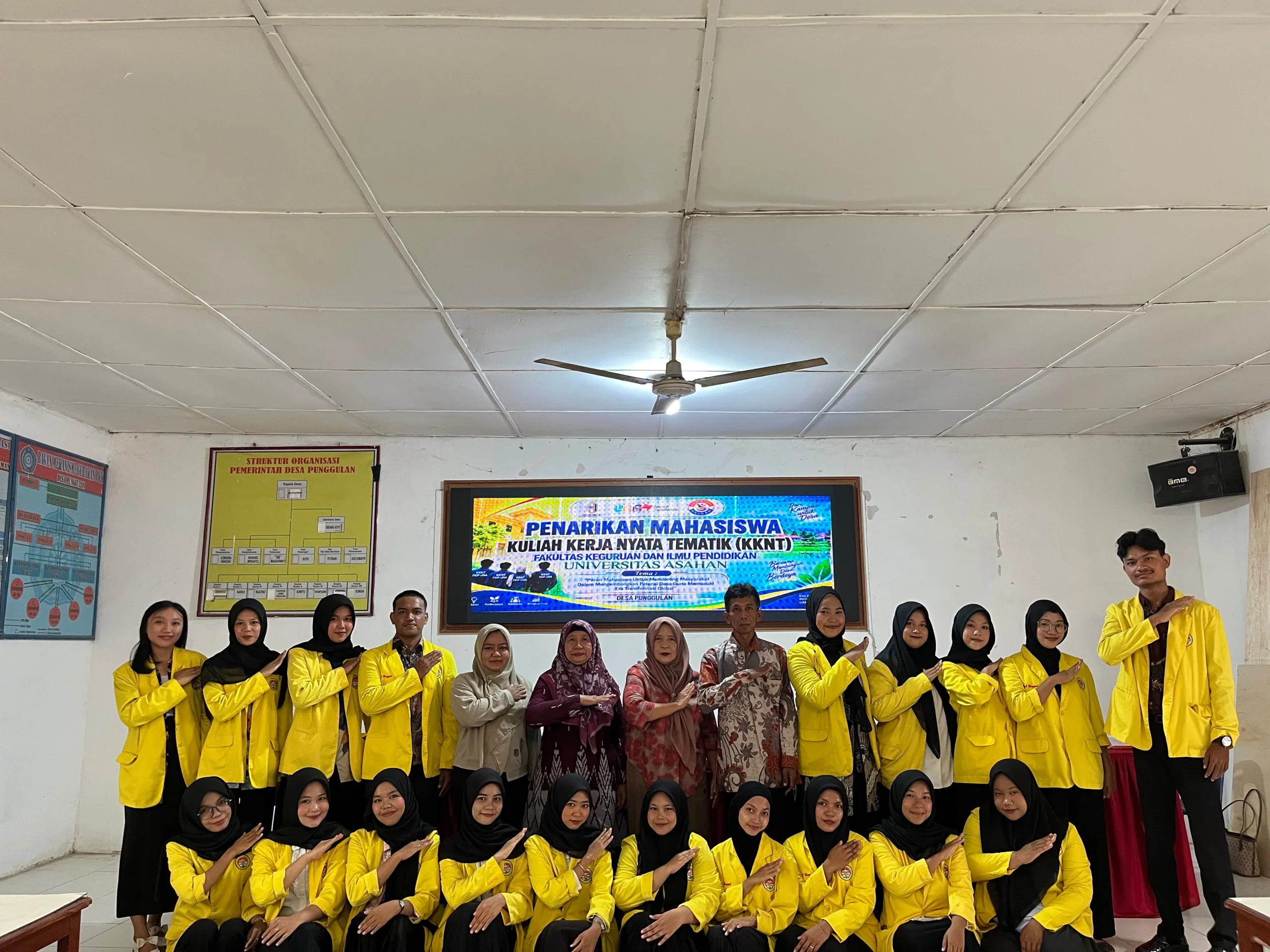
Figure 1. Documentation of the community service activity regarding the implementation of the gradual digital detox method for young children in Punggulan Village.
Conclusion
The implementation of a gradual digital detox method can be one of the approaches in an effort to reduce gadget dependence in early childhood.
Based on the results of observations during the community service activity, children showed a positive response to non-digital activities, such as playing, learning, drawing, and participating in creative activities together.
The implementation of this method emphasizes the importance of gradually reducing gadget use by providing various alternative activities that are in accordance with the child's developmental needs.
Parental involvement plays an important role in providing support, setting gadget usage limits, and building healthier digital habits in the family environment.
Although this activity has not been equipped with quantitative measurements to determine changes in gadget usage duration, the observation results provide an overview that the gradual digital detox approach can be accepted positively by activity participants.
Therefore, consistent support, family environment support, and continuous evaluation are needed so that gadget management in early childhood can be carried out more effectively.
Bibliography
Dini, A. U., & Sosial, P. (n.d.). Be aware of the impact of gadget use on the social development of young children. 6(1), 58–66.
Hani, S. U., Jaojah, S., Zaenab, S., & Aeni, Y. H. (2025). Strengthening mothers' understanding of healthy digital parenting in gadget use for young children. 4(2), 1288–1295.
Hidayatuladkia, S. T., Kanzunnudin, M., & Ardianti, S. D. (2021). The role of parents in controlling gadget use in children aged 11 years. 5(3), 363–372.
Kesehatan, F. I., & Umar, U. T. (2025). Literature review: The impact of gadgets on children's physical and mental health. 3, 107–125.
Suryati, N. (2020). Optimizing the role of parents in minimizing gadget use for children. 1(1), 41–51. https://doi.org/10.21093/tj.v1i1.2455










Comments 0
Write a Comment Share your response