

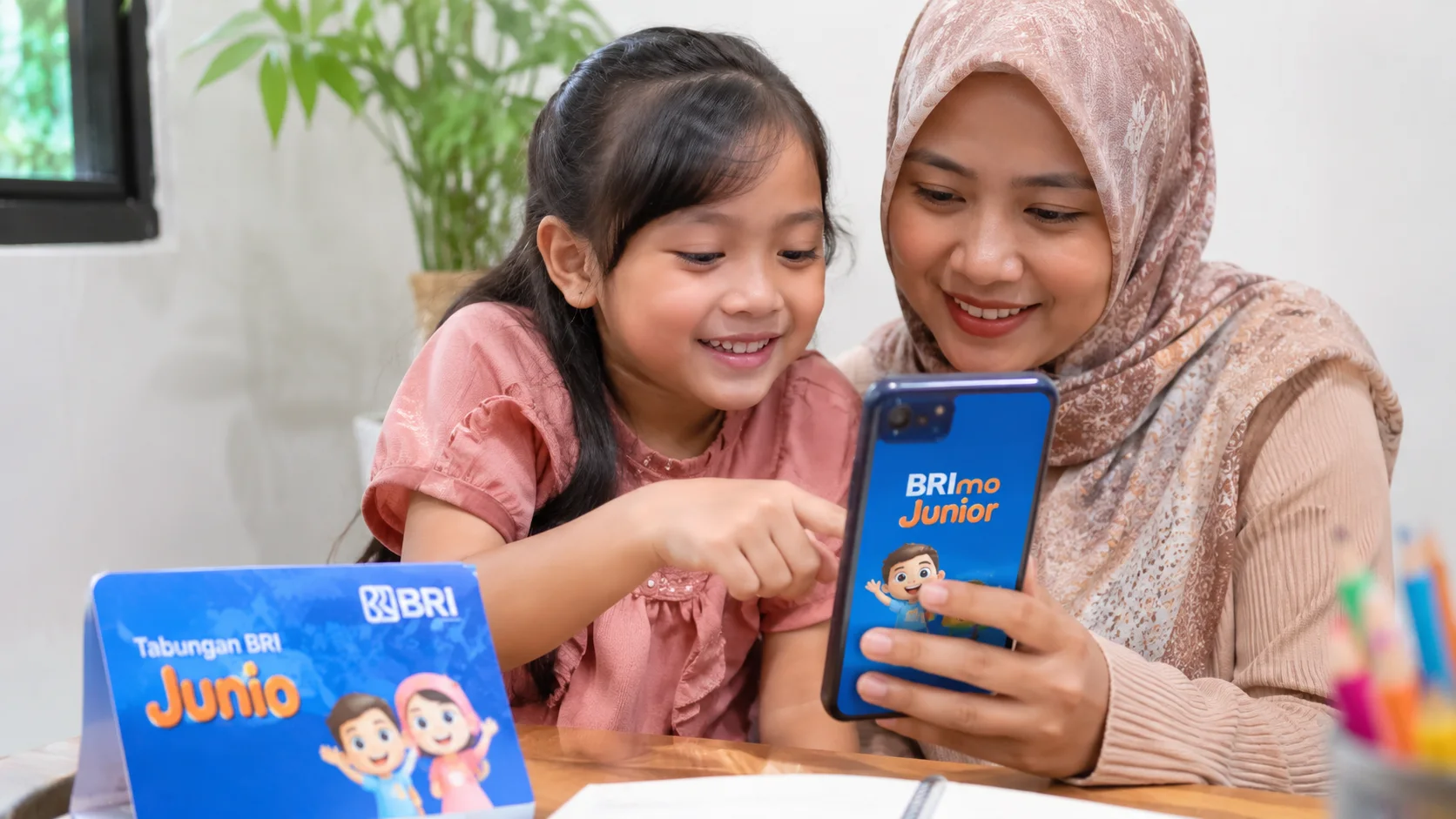
BOJONEGORO, JurnalPost.com – Teaching children how to manage money from an early age is one of the best ways for parents to build healthy financial habits. Financial education does not always have to start with complex concepts; it can be introduced through simple activities like setting aside pocket money, learning about savings, and distinguishing between needs and wants.
Lizza has begun introducing these habits to her daughter, Aghnia. She utilizes the BRI Junio savings service as a tool to teach the importance of saving while providing guidance on how to use money wisely.
For Lizza, getting a child accustomed to having a savings account from a young age is not just about accumulating money. More importantly, it helps the child understand that any money they possess must be managed responsibly.
Amid the rise of digital financial technology, Lizza also sees an opportunity to introduce banking services to her child in a way that is integrated into daily life.
BRI Junio as a Tool for Building Saving Habits
Lizza believes that financial literacy should be introduced gradually, tailored to the child's age and their ability to grasp the value of money.
Through BRI Junio savings, parents can provide their children with early experience in owning an account, storing money, and the importance of planning how to use funds.
"By owning a BRI Junio account, parents have the opportunity to introduce the function of savings to their children. It is not just about storing money, but also about understanding that money needs to be managed and used according to one's needs," Lizza explained.
According to her, this habit can serve as a foundation for children to learn responsibility regarding the money they have.
For example, parents can encourage their children to decide which portion of their money should be saved and which portion can be used to fulfill specific needs.
With this simple approach, children not only become familiar with the act of saving but also begin to understand the importance of making choices when spending money.
BRImo Junior Introduces Digital Banking to Children
In addition to using BRI Junio savings, Lizza has also introduced the BRImo Junior service to Aghnia.
BRImo Junior is a digital banking service developed by PT Bank Rakyat Indonesia (Persero) Tbk for child customers up to the age of 17 years old.
This service is designed so that children can learn about digital banking activities while still receiving guidance and supervision from their parents.
One of the facilities offered is the concept of split user, a mechanism that allows one parent's BRImo account to be linked to a maximum of five BRImo Junior accounts.
Through this mechanism, parents can monitor their child's transaction activity, manage app access, and set transaction limits based on their needs.
"With this system, parents can monitor their child's transaction activity, manage login access, and set transaction limits according to their needs. This feature provides space for children to learn how to use digital financial services under family supervision," she said.
The existence of this service can serve as a learning tool for families to introduce how to use financial technology responsibly.
Pocket Feature Helps Children Learn to Manage Money
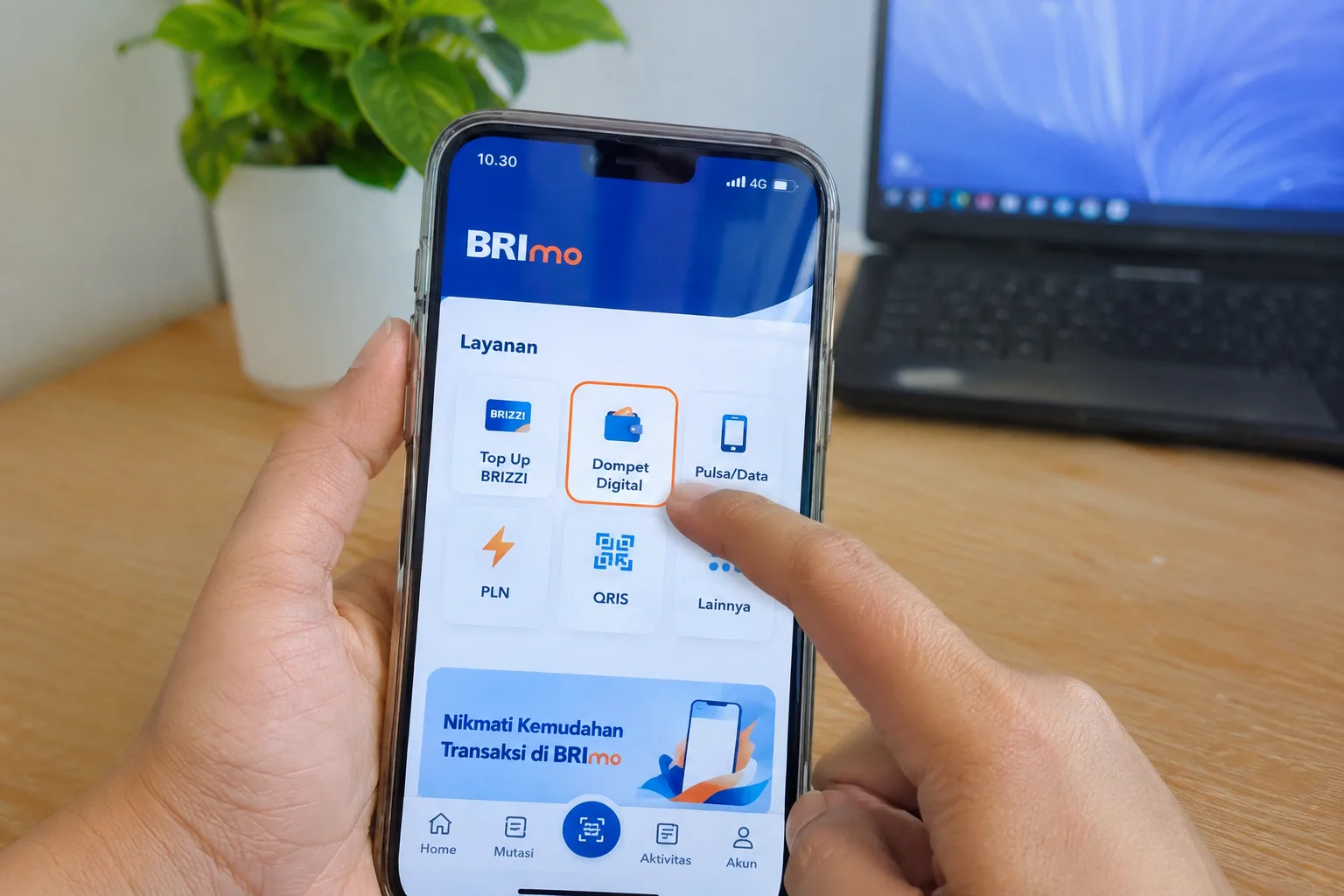
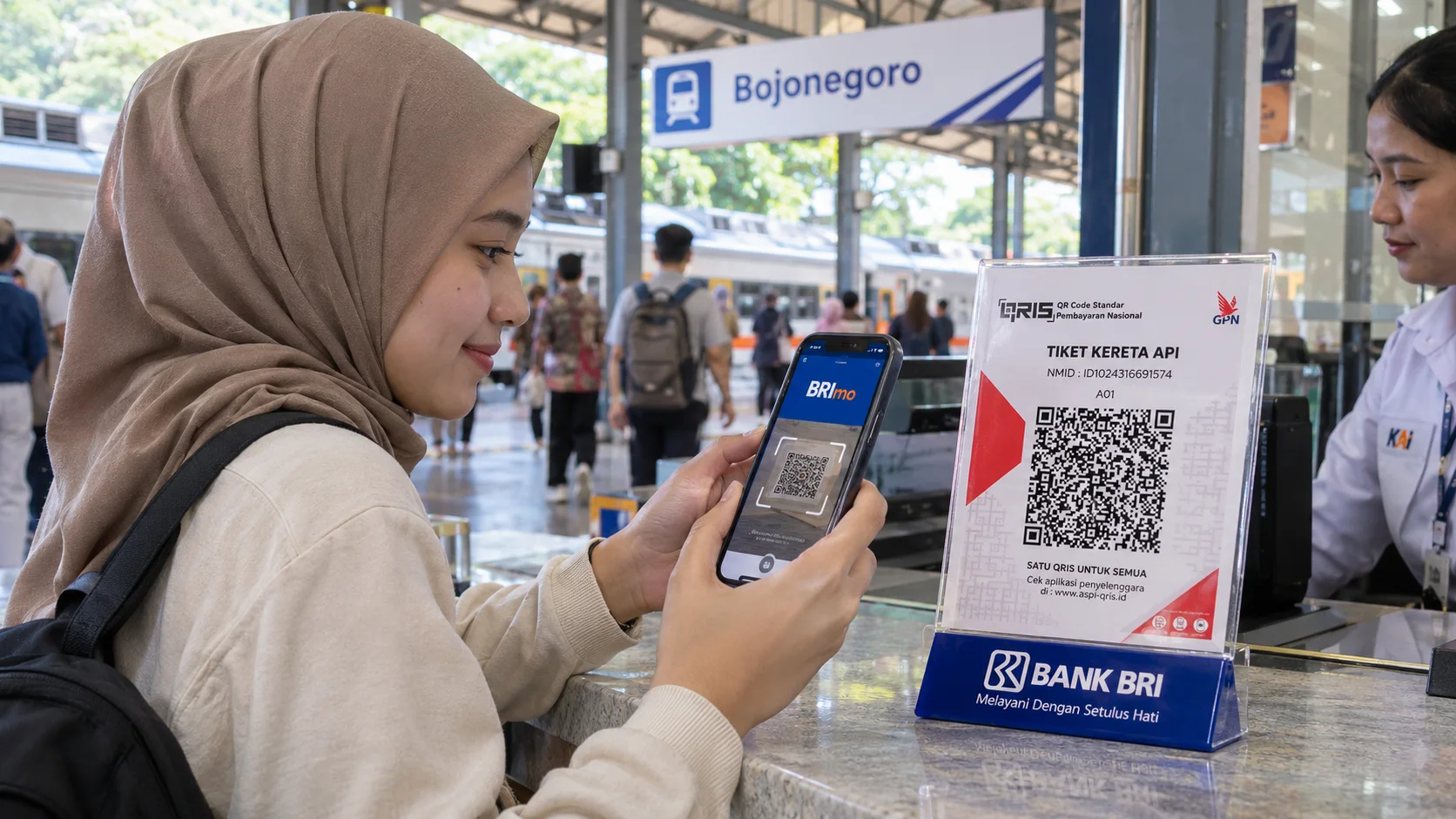
BRImo Junior also provides a number of digital transaction features, ranging from QRIS payments, money transfers, and BRIVA payments to purchasing phone credit, game vouchers, and digital wallet services.
In addition to these various transaction facilities, there is a 'Pocket' feature that can be used to categorize money based on specific needs or goals.
This feature can be a learning medium for parents to explain the concept of financial management in a simple way.
For example, children can be encouraged to distinguish between money set aside for savings and money used for daily needs.
This type of learning is expected to help children understand the importance of setting priorities before spending money.
However, the use of various digital transaction facilities still requires parental supervision, especially when children begin to learn about cashless payments.
Parental Supervision Remains Key
Lizza realizes that introducing digital banking services to children must be balanced with education regarding transaction security.
According to her, the ease of access to technology should not lead children to ignore the importance of protecting personal information.
"For families, introducing financial technology to children must also be accompanied by an understanding of transaction security. Parents still play an important role in providing guidance, especially to ensure that children do not carelessly share personal information, PINs, or security codes," she said.
This supervision can also be carried out by getting children into the habit of discussing transactions before making them and providing an understanding of the risks associated with using digital services.
In this way, children are not only introduced to the convenience of technology but also learn to maintain the security of their accounts and take responsibility for their financial activities.
To use the BRImo Junior service, a child must have a BRI Junio account. Subsequently, the activation process for the BRImo Junior account is carried out through the parent's BRImo application in accordance with the applicable service terms.
Financial Literacy as a Future Asset for Children
Lizza's experience in introducing BRI Junio and BRImo Junior to Aghnia shows how financial education can be applied through family habits.
Introducing savings from an early age is expected to help children build discipline, patience, and the ability to set priorities when using money.
On the other hand, the use of digital services can complement learning so that children better understand the development of payment systems used by society.
For Lizza, getting Aghnia accustomed to savings and money management is a form of preparation for the future.
She hopes that the simple habits introduced from a young age will help her daughter grow into an individual who is more independent, wise, and responsible in making financial decisions.






Comments 0
Write a Comment Share your response