

The price of three-dimensional printing machines (3D printer) is now increasingly affordable. From various technology exhibitions to government assistance programs, these machines are often promoted as a shortcut for micro, small, and medium-sized manufacturing enterprises (SMEs) to leap into the modern industrial era.
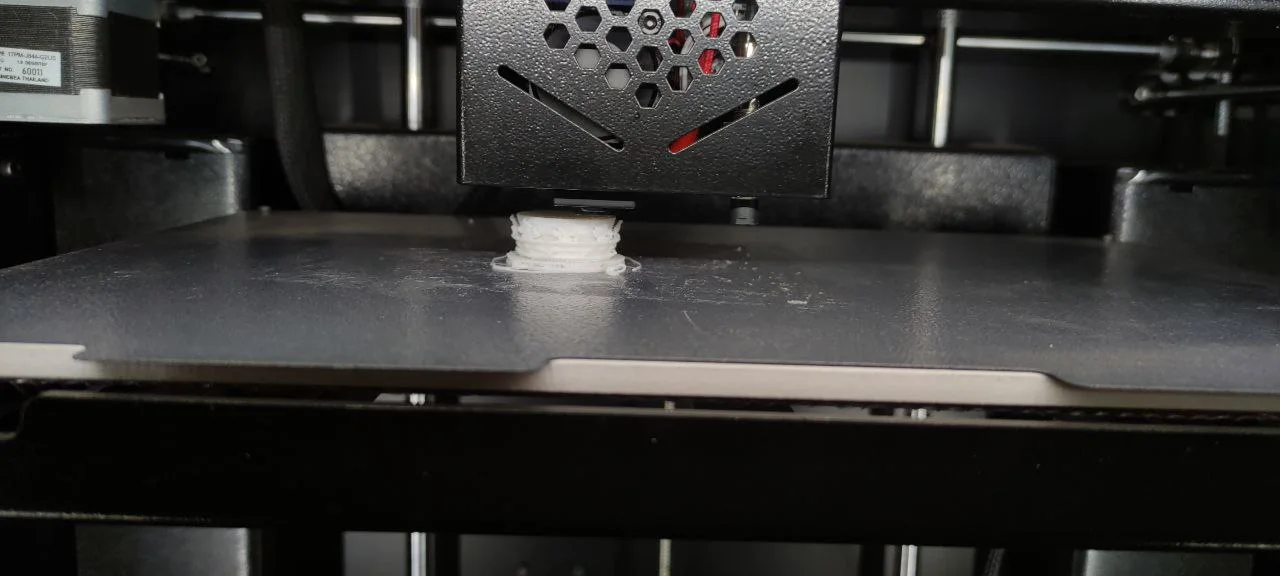
Figure 1. The layer-by-layer component printing process using a 3D printer based on Fused Deposition Modeling (FDM).
However, the reality in the field is often far from the promotional brochures. Not a few 3D printer machines are only busy for the first two weeks, only to end up as dusty displays in the corner of a workshop. Business owners complain that the prints are brittle, production times are too slow, and operational costs do not make sense when sold to the market.
This failure underscores one important point: the adoption of 3D printing is not just about buying machines. Without readiness in engineering design, an understanding of material characteristics, and the right production strategy, this advanced technology risks becoming a new cost burden for SMEs.
Real Opportunities Behind Additive Manufacturing
Such criticism does not mean this technology is irrelevant for small industries. On the contrary, additive manufacturing—forming objects by adding layers of material bit by bit—offers extraordinary production flexibility that was once only enjoyed by large factories.
In conventional plastic component manufacturing, business owners must spend tens to hundreds of millions of rupiah just to create metal molds (mold). With 3D printing, that initial capital barrier vanishes instantly. Business owners can create product prototypes in a matter of hours, produce rare spare parts that are no longer sold by manufacturers, or serve custom product orders in limited quantities without the burden of mold costs.
Three Stumbling Blocks on the Workshop Floor
So, why does this great potential often stall when applied in the field? From the perspective of manufacturing mechanical engineering, there are at least three fundamental issues that are often overlooked by business owners and aid program designers.
First, the gap in digital design mastery and engineering logic. A 3D printer is essentially just an executor of computer image files or CAD (Computer-Aided Design). Many novice business owners simply download ready-to-use models from the internet without understanding mechanical loading directions, infill density percentages (infill), or the orientation of the printed layers (layer orientation).
Imagine a small automotive component workshop trying to print a plastic hook or bracket to replace a motorcycle part. Because they printed it without aligning the layer orientation with the tensile force, the component snapped right at the layer seam line just days after installation. Without an understanding of engineering design and precise dimensional tolerances, even the most sophisticated machine will only produce failed products.
Second, the trap of material selection and neglecting post-processing quality control. Most novice users stop at PLA (Polylactic Acid) plastic filament (Polylactic Acid) because it is cheap, odorless, and the easiest to print. In reality, the mechanical properties of PLA soften easily when exposed to machine heat or direct sunlight, making it a mistake to force its use for functional components in heavy-duty workspaces that should use tougher materials like PETG (Polyethylene Terephthalate Glycol), ABS (Acrylonitrile Butadiene Styrene), or nylon.
Furthermore, items fresh off the print bed are rarely ready for the market shelf. Their surfaces still retain rough layer lines, support material remnants, and potential dimensional shrinkage. A post-processing stage (post-processing) is required, ranging from sanding and surface coating to checking dimensional accuracy with measuring tools, ensuring the product truly meets consumer quality expectations.
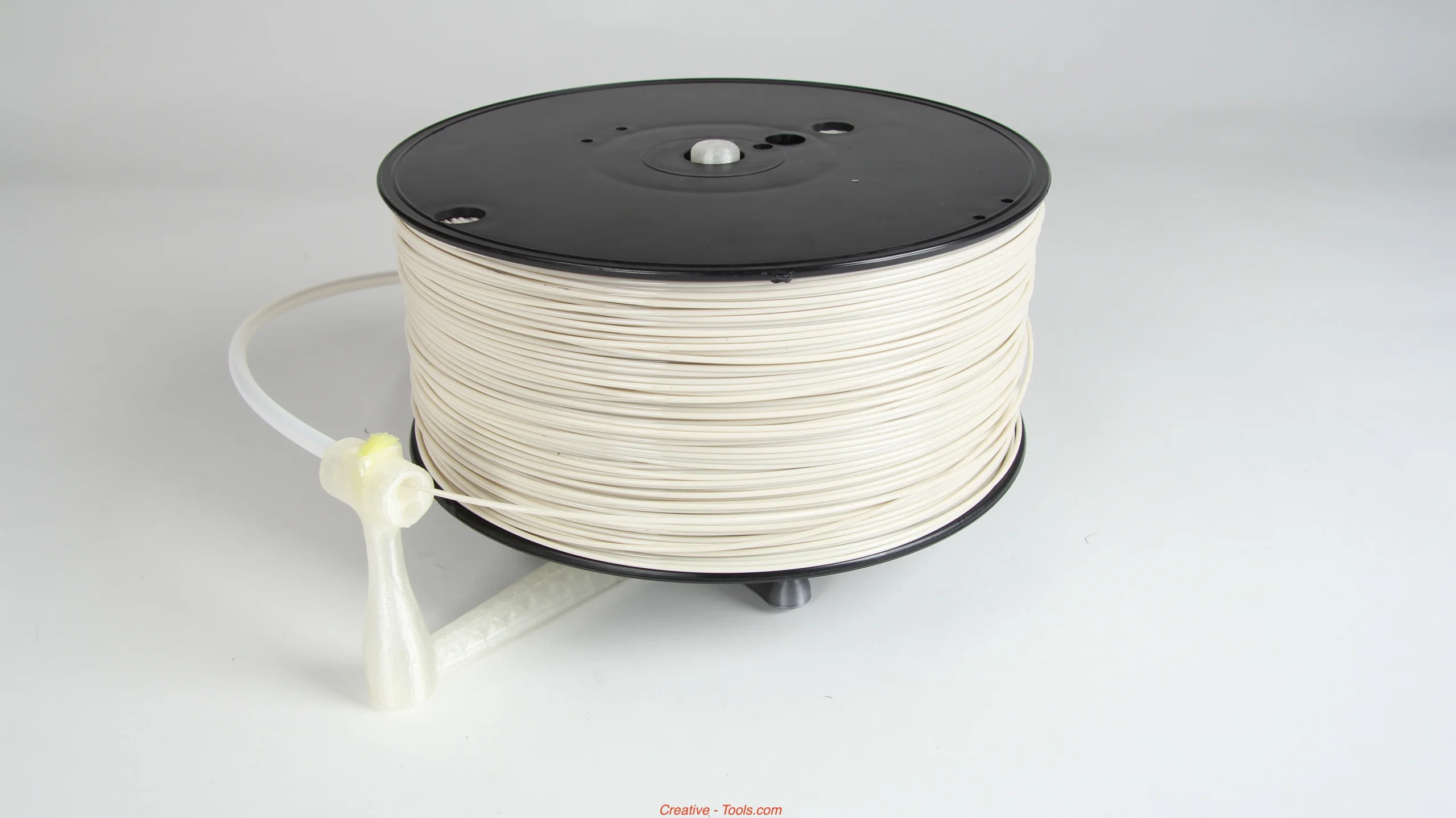
Figure 2. Polymer filaments for 3D printer machines; material selection (such as PLA, PETG, ABS, or nylon) determines heat resistance and product functionality.
Third, the mistake of misplacing production economies of scale. Many SMEs are trapped into forcing 3D printing to compete directly with injection molding machines (injection molding) to produce thousands of uniform, low-cost items. In mass volume competition, the cost of filament and the print time of 3D printing clearly lose out.
The true strength of this technology lies in low-volume, high-value-added production. Instead of printing mass-produced souvenirs, SME workshops are far more profitable if they utilize it to print custom-ordered components or create their own production work aids, known in manufacturing as jig and fixture, which are devices that hold workpieces to make cutting, drilling, or welding processes in the workshop much more precise, fast, and uniform.
Building an Ecosystem, Not Just Granting Equipment
For manufacturing transformation not to end in ceremonial rooms, the pattern of SME assistance needs to shift from mere machine grants toward building a collaborative ecosystem. In fact, not every business owner needs to buy their own machine. Local governments, together with industry associations, can establish shared manufacturing service centers (shared facility) that provide industrial-grade machines complete with trained technicians.
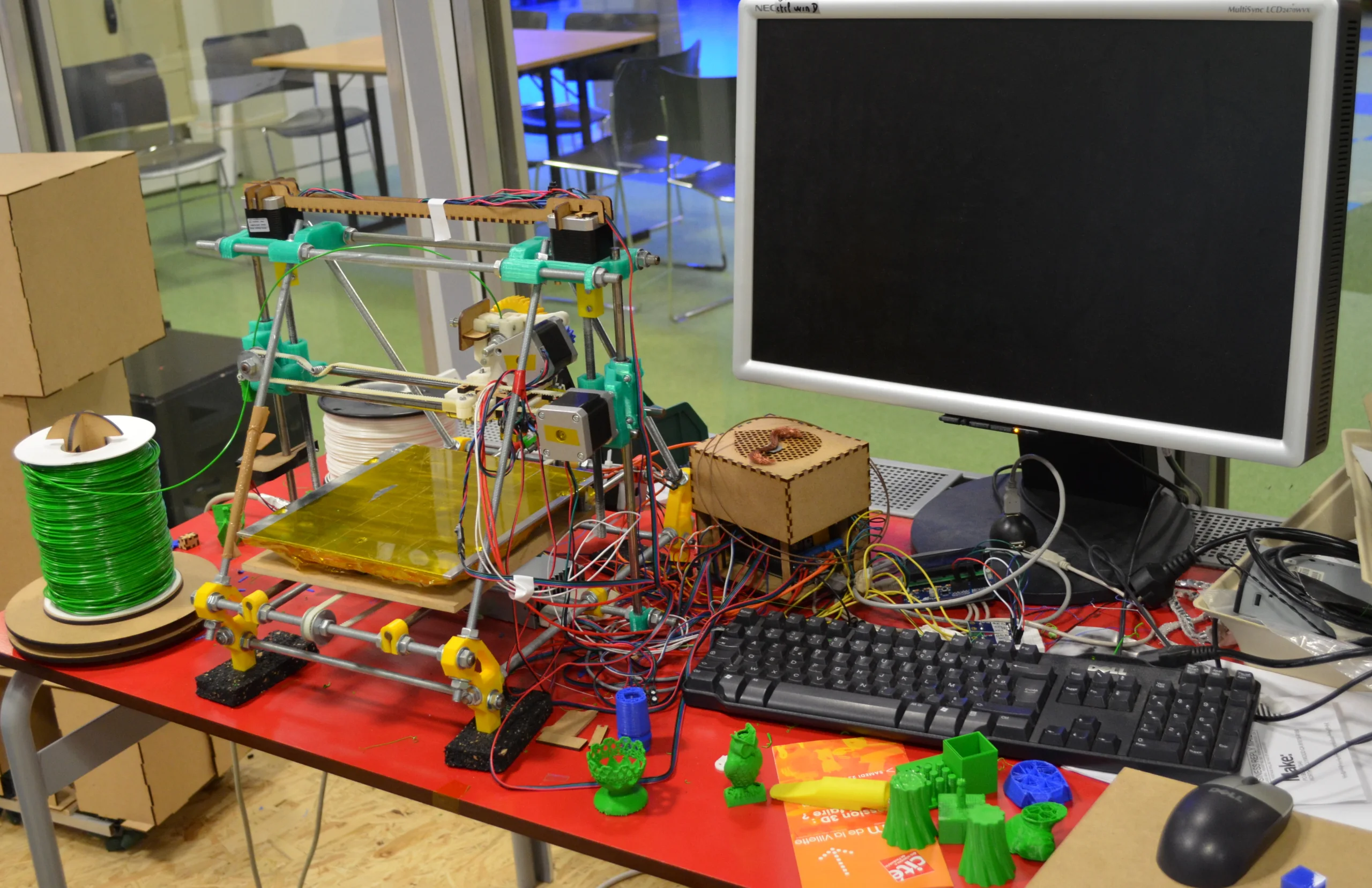
Figure 3. A shared digital manufacturing facility allows SMEs to access 3D printing machines along with technical support without having to buy their own equipment.
On the other hand, technical universities have a strategic role as direct partners in the field. Student final projects, community service programs, and faculty research can be directed toward helping SMEs design print-ready CAD files, determine optimal process parameters, and test product mechanical strength in campus laboratories.
Training for business owners must not stop at how to press the machine's operation buttons. The curriculum must include calculating production costs per unit and mapping market niches so that technology adoption truly leads to profit growth.
Technology Follows Human Intelligence
Ultimately, 3D printing is just a lever, not a magic wand that automatically boosts business turnover. The added value of a manufactured product is still determined by the sharpness of engineering design, quality discipline, and the ingenuity to read market needs.
The competitiveness of the national small industry will not level up based on how many modern machines are bought or granted, but on how ready our human resources are to master the science behind them. When hardware investment goes hand-in-hand with knowledge investment, that is when Indonesian manufacturing SMEs are truly ready to step to a higher level.









Comments 0
Write a Comment Share your response