


One of the issues that drew the students' attention during their observation was divorce. Based on the cases observed, divorce remains one of the most common types of litigation encountered at the Surabaya Religious Court. This condition indicates that domestic conflict remains a serious issue in society, ultimately leading to legal proceedings in court.
During the trial observations, students noted that divorce cases are not only related to the relationship between husband and wife but can also involve various other issues, such as the rights and obligations of each party, child custody, alimony, and the relationship between parents and children following the divorce. Therefore, resolving divorce cases requires a process that not only addresses legal aspects but also considers the interests of the parties and the children affected.
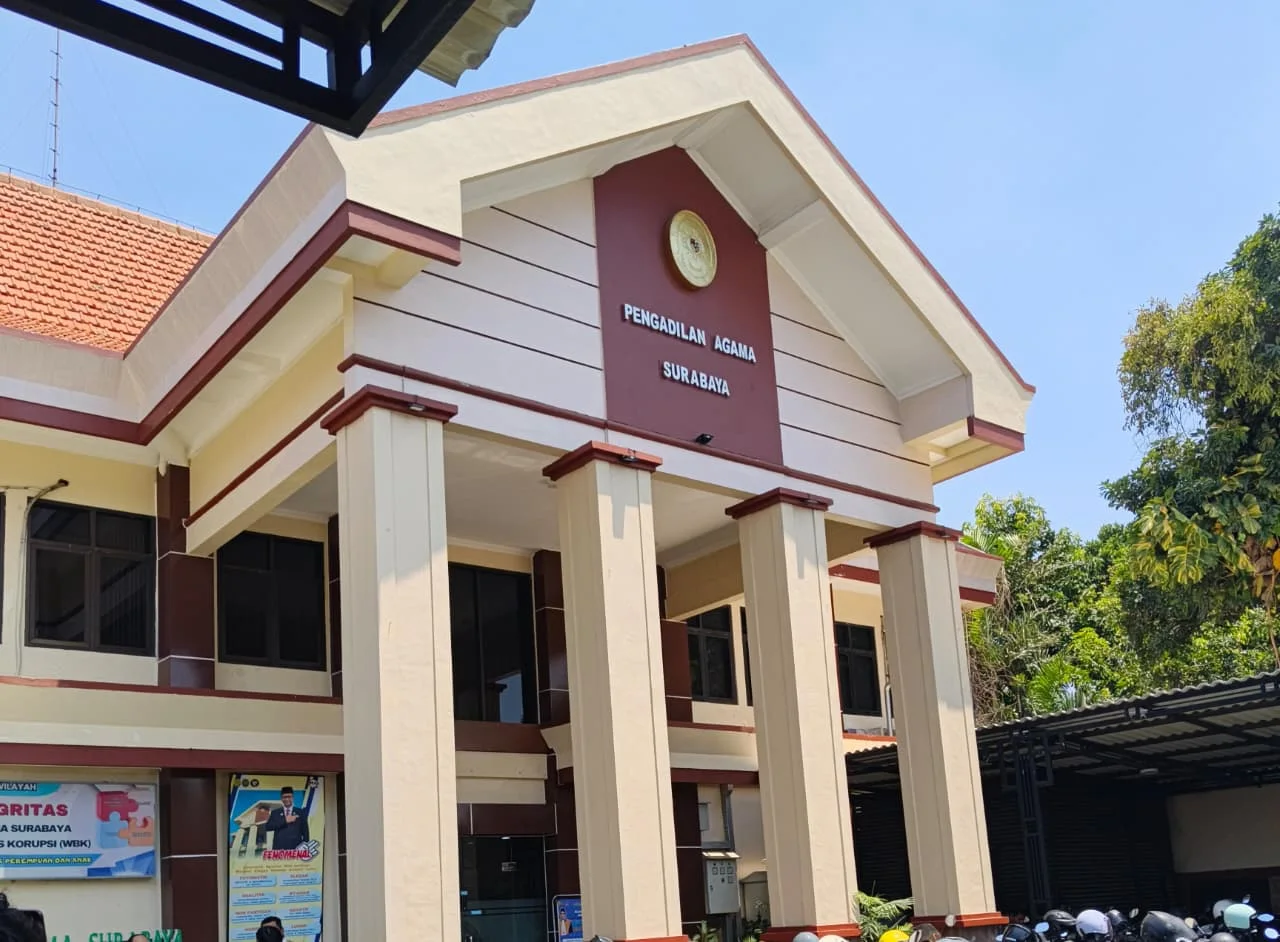
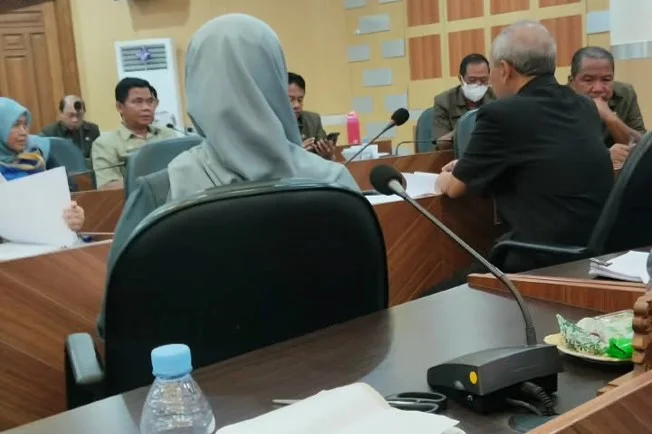
The observation activity provided an opportunity for students to understand that court proceedings have specific stages and procedures that must be followed. Students were able to observe how judges examine cases, listen to the testimonies of parties and witnesses, and weigh the evidence presented before reaching a decision. This experience serves as an important lesson, as students can connect the legal theory acquired during lectures with direct legal practice.
In addition to understanding the trial process, students gained insight into the role of judges in resolving family law cases. In divorce cases, the resolution does not solely aim to determine who is right or wrong, but also provides space for the parties to resolve their issues through available legal mechanisms. Peace efforts and mediation are also important parts of the case resolution process before the case proceeds to the next stage in accordance with applicable regulations.
The high number of divorce cases observed also served as a reflection for students regarding the various factors that can cause domestic instability. Economic problems, poor communication, disharmony, prolonged disputes, and issues in fulfilling domestic rights and obligations can all lead to divorce. However, each case has a different background and set of characteristics, requiring evaluation based on the facts and evidence presented in court.
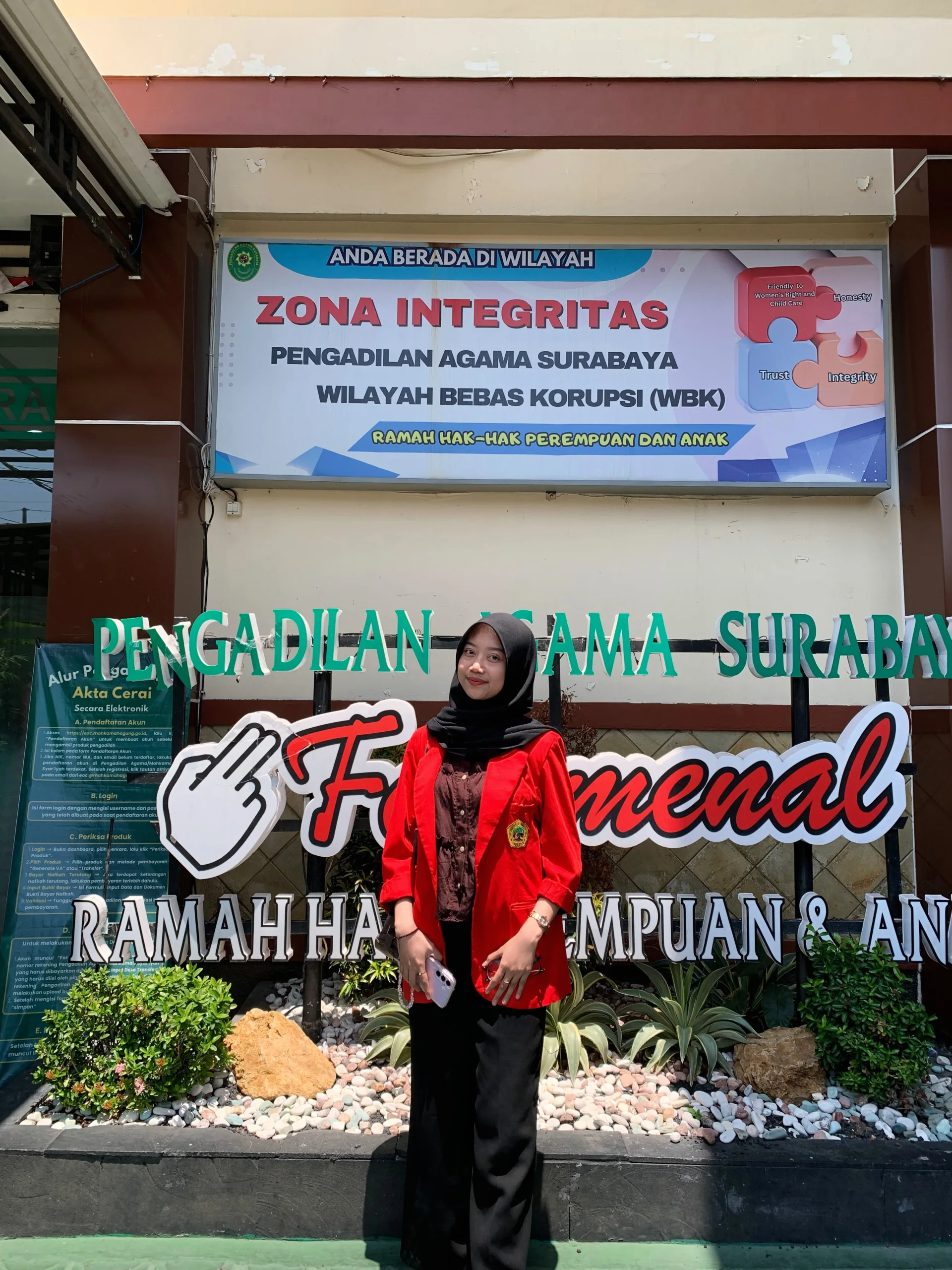
For the Faculty of Law students at UNTAG Surabaya, this activity holds significant educational value. Legal learning is not only conducted through books, legislation, or lectures in the classroom, but also through direct observation of judicial practice. By witnessing the trial process, students can understand how judges, advocates, clerks, witnesses, and the parties involved perform their respective roles in the judicial process.
The observation also provided students with an understanding of the importance of ethics and professional conduct within the judicial environment. Every party involved in a trial is required to respect the legal process, maintain order in the courtroom, and provide statements and arguments based on verifiable facts. This serves as essential preparation for students who will eventually enter various legal professions.
From this activity, students realized that divorce cases are not merely legal issues between two people wishing to end their marriage. Divorce can have a broader impact on family life, particularly on children. Therefore, it is hoped that the resolution of divorce cases will be carried out by considering the best interests of the child and ensuring that the rights of the parties involved continue to receive legal protection.
The observation activity at the Surabaya Religious Court is expected to be a valuable experience for UNTAG Surabaya students in improving their understanding of legal practice. Beyond broadening their horizons, this activity also serves as a means to develop the students' critical thinking skills when viewing various legal issues occurring in society.
Through this activity, students are expected not only to understand how the legal process works but also to learn from the various problems they encountered during their observation. The high number of divorce cases illustrates that the law plays an important role in providing a path to resolving family conflicts. Ultimately, this experience can serve as a foundation for students to become future legal professionals who possess the knowledge, skills, and sensitivity toward legal issues within society.







Comments 0
Write a Comment Share your response