

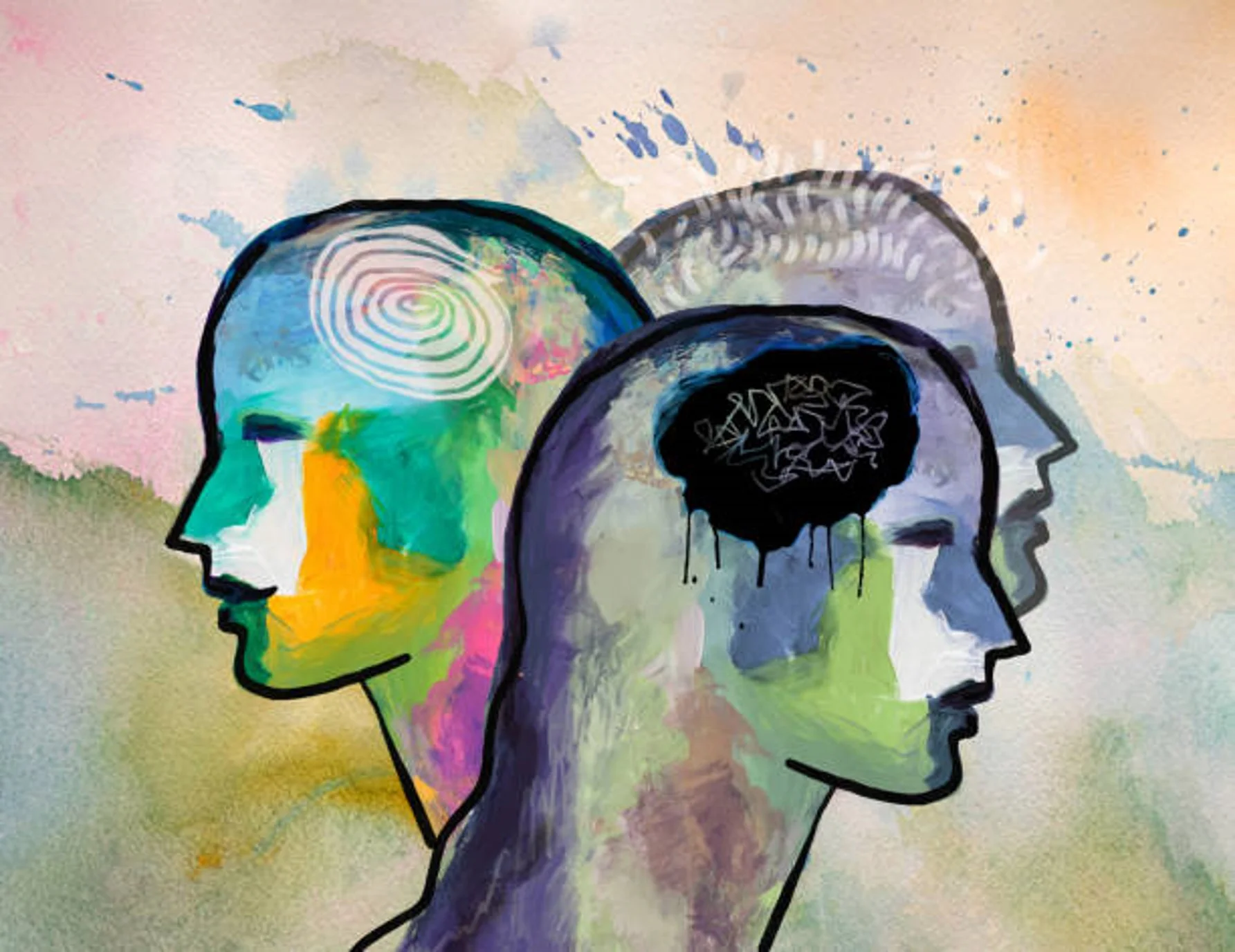
JurnalPost.com - Everyone experiences mood swings. There are times when a person feels extremely happy, energetic, or conversely, sad when facing various life events. These emotional shifts are a natural part of the human experience. However, what if these mood swings become so intense that they affect sleep patterns, activity levels, thought processes, and relationships with others?
This condition can be found in individuals experiencing bipolar disorder. Unlike daily emotional fluctuations, bipolar disorder is a mental health condition characterized by episodes of mood, energy, and activity changes that can last from several days to weeks.
Unfortunately, bipolar disorder is still often misunderstood as a condition where someone is simply irritable, overly sensitive, or unable to control their emotions. In reality, this disorder is far more complex and cannot be concluded solely from momentary mood changes.
According to the World Health Organization (WHO), based on estimates from 2023, approximately 36 million people or 0.4 percent of the global population live with bipolar disorder. Of that number, approximately 32 million are adults. This data was published by the WHO in a fact sheet regarding bipolar disorder on 11 September 2026.
The large number of individuals experiencing bipolar disorder highlights the importance of public understanding regarding this condition, including one of its types, namely bipolar I disorder.
Understanding Bipolar I Disorder
Bipolar disorder has several types, including bipolar I and bipolar II. One of the main characteristics of bipolar I is the occurrence of at least one manic episode.
A manic episode is a condition where a person experiences an unusual and sufficiently severe increase in mood, energy, or activity that affects their daily functioning. This episode generally lasts at least seven days, but can be shorter if the symptoms are severe enough to require hospitalization.
Meanwhile, hypomania is a condition of increased mood and energy that is milder than mania. Hypomania is one of the characteristics found in bipolar II disorder.
Individuals with bipolar I can also experience major depressive episodes, which are periods where a person experiences a very low mood or a loss of interest in activities they usually enjoy, accompanied by other symptoms that disrupt daily life. However, a major depressive episode is not a mandatory requirement for a bipolar I diagnosis.
These changes can be likened to clear skies alternating with storms. When mania occurs, a person may feel they have immense energy. Conversely, when experiencing depression, even simple activities can feel overwhelming.
Nevertheless, individuals with bipolar disorder are not always in a state of mania or depression. They can also experience periods where their mood is relatively stable.
What Are the Signs of a Manic Episode?
Morales-Brown (2024), through an article published by Medical News Today, explains that a manic episode in bipolar I can be marked by significant changes in mood, energy levels, and behavior.
Some signs that may appear include:
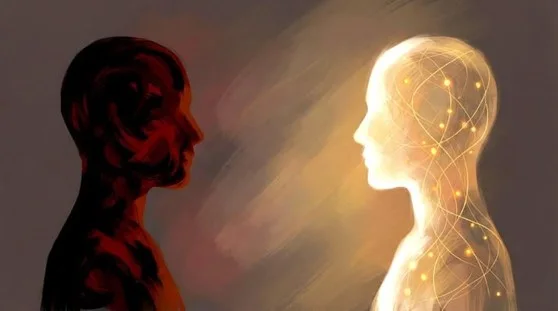
Feeling unusually euphoric or excited. A person may experience an excessively elevated mood or become very easily irritated.
Having excessive self-confidence. Individuals may feel extremely capable, possess extraordinary abilities, or believe they can do things that are actually unrealistic.
Experiencing increased energy and activity. A person might become much more active than usual.
Talking more or very rapidly. Individuals may talk incessantly and find it difficult to stop.
Experiencing racing thoughts. Various ideas may emerge so quickly that a person struggles to maintain focus.
Experiencing a decreased need for sleep. A person might sleep much less than usual but still feel they have plenty of energy.
Showing impulsive or risky behavior. Examples include spending money excessively, making hasty decisions, or engaging in activities without considering the consequences.
It should be understood that the appearance of one or several of these signs does not automatically indicate that someone has bipolar I disorder. A diagnosis requires a thorough examination by a professional, taking into account the duration, severity, and impact of the symptoms on the individual's life.
What Causes Bipolar Disorder?
Bipolar disorder is not caused by a single factor. This condition is related to the interaction of various biological, genetic, and environmental factors.
In a scientific article titled Genetics of Bipolar Disease, Ayu (2021) explains that bipolar disorder is a complex condition involving various biological processes, including changes in brain function and systems.
The research highlights the role of genetic factors in an individual's susceptibility to bipolar disorder. However, the presence of genetic factors does not mean someone will definitely develop the condition.
In addition to biological factors, stressful life experiences and environmental conditions can also play a role in the emergence or worsening of symptoms in individuals who have a predisposition.
Therefore, it is inaccurate to view bipolar disorder as a result of personal weakness or an inability to control one's feelings.
Survey and Interviews: To What Extent Does the Public Understand Bipolar I?
To gauge public understanding of bipolar disorder, the author conducted a survey via Instagram and interviews with several individuals in early and middle adulthood.
Based on the Instagram survey results, the majority of respondents stated they had heard of or knew the term bipolar disorder. However, only a small fraction knew specifically about bipolar I disorder.
The understanding conveyed by respondents was generally still limited to the assumption that bipolar is a rapid shift between feelings of sadness and anger.
Meanwhile, the interview results showed that most interviewees did not have adequate knowledge regarding bipolar disorder, either in general or regarding the characteristics of bipolar I.
These findings reveal a gap between recognizing the term "bipolar" and truly understanding the mental health condition in question.
Several participants also expressed a hope for more information and education that discusses bipolar I disorder in depth using easy-to-understand language.
However, these survey and interview results represent the participants involved and cannot be directly generalized as the level of understanding of the entire population.
Reducing Stigma through Proper Understanding
A lack of knowledge regarding bipolar disorder can lead to misunderstandings and stigma toward individuals who experience it.
Someone experiencing a manic episode might be considered overly dramatic, while an individual experiencing a depressive episode might be judged as lazy or unmotivated.
Such judgments have the potential to make individuals with bipolar disorder feel misunderstood and reluctant to seek professional help.
In fact, bipolar disorder is a mental health condition that can be managed through appropriate medical and psychological approaches.
The WHO explains that the management of bipolar disorder can involve the use of medication, psychological interventions, education about the mental health condition, as well as family and social support.
Such support is important to help individuals understand their symptoms, undergo treatment, and maintain stability in their daily lives.
The community also has a role in creating a more supportive environment. Simple steps such as avoiding negative labeling, listening without judgment, and respecting individual experiences can help reduce the stigma surrounding mental health disorders.
The Importance of Education and Professional Help
Bipolar I disorder is not just a sudden mood swing. This condition has clinical characteristics that need to be understood accurately, especially regarding manic episodes and their impact on an individual's life.
The survey and interview results conducted by the author show that participants' understanding of bipolar I still needs to be improved. Many are familiar with the term bipolar but do not yet understand the difference between daily emotional changes and mood disorder episodes that require professional treatment.
Therefore, mental health education is a crucial step to help the public recognize symptoms, reduce misunderstandings, and build a more empathetic attitude toward individuals with bipolar disorder.
If someone experiences mood, sleep, or behavioral changes that are very intense and disrupt daily activities, consulting a psychologist or psychiatrist is the right step to obtain an assessment and assistance.
With adequate knowledge, appropriate treatment, and environmental support, individuals with bipolar disorder still have the opportunity to lead a stable, productive, and meaningful life.
References
Ayu, R. A. A. P. K. (2021). Genetics of bipolar disease. Journal of Psychiatric Nursing, 9(4), 911–918. https://doi.org/10.26714/jkj.9.4.2021.911-918
Morales-Brown, L. (2024, January 23). What to know about type 1 bipolar disorder. Medical News Today. https://www.medicalnewstoday.com/articles/type-1-bipolar-disorder
National Institute of Mental Health. (n.d.). Bipolar disorder. https://www.nimh.nih.gov/health/publications/bipolar-disorder
World Health Organization. (2026, September 11). Bipolar disorder. https://www.who.int/news-room/fact-sheets/detail/bipolar-disorder

Comments 0
Write a Comment Share your response