

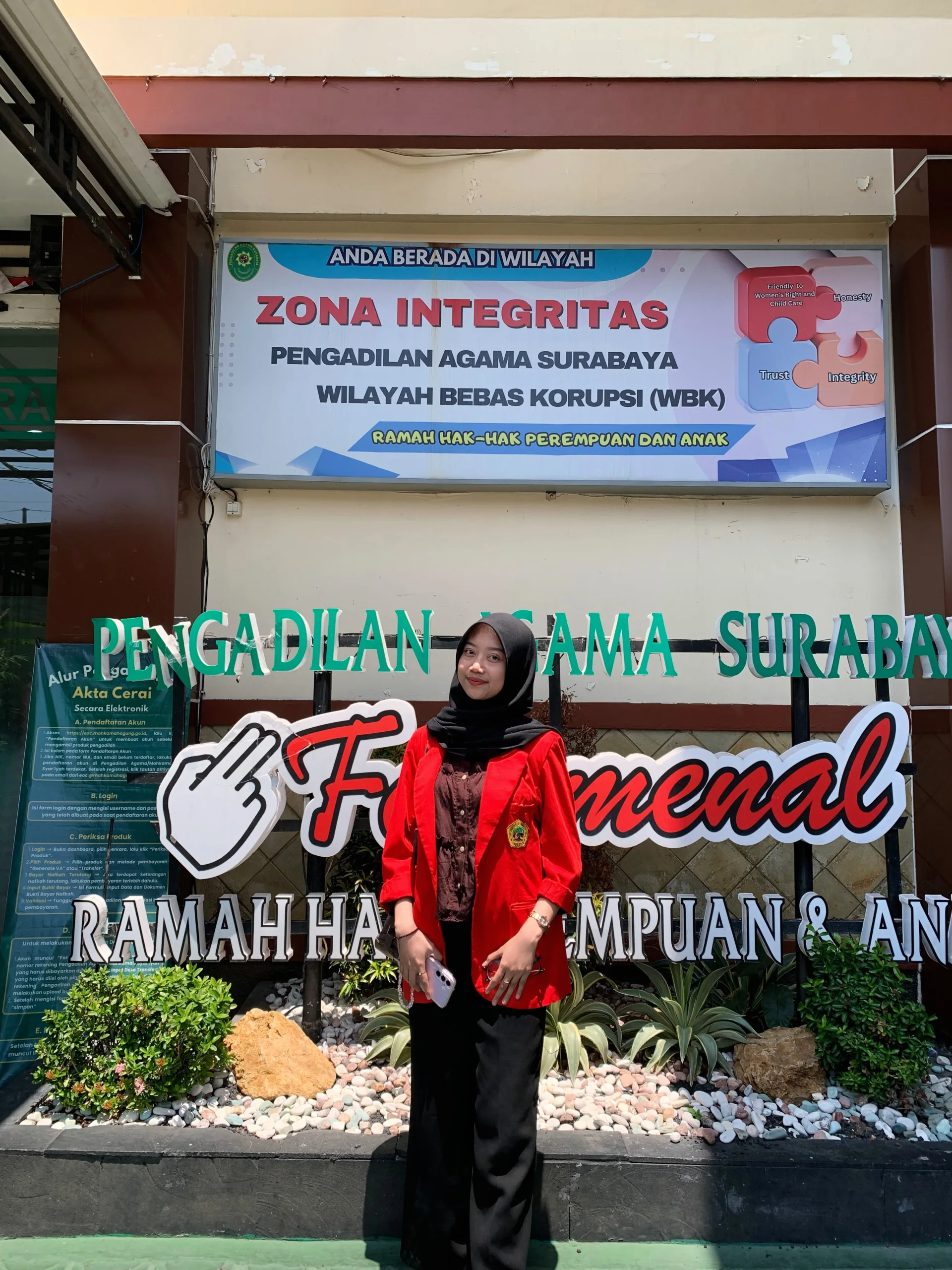
SURABAYA, JurnalPost.com – Law students from the Faculty of Law at the University of 17 Agustus 1945 (Untag) Surabaya conducted court observations at the Surabaya Religious Court on Thursday, October 15, 2026. This activity is part of the requirements for the Religious Litigation clinical course, which provides students with the opportunity to witness judicial processes firsthand. Through this activity, students can familiarize themselves with the trial stages they have previously studied in lectures. This observation also serves as an opportunity for students to understand the application of procedural law in resolving cases within the religious court system.
During the activity, students observed several cases currently being tried, including divorce petitions, divorce requests (talak), and inheritance-related matters. These various cases demonstrate that the issues handled by the Religious Court are quite diverse, particularly in the fields of marriage and inheritance. Students were able to see firsthand how the examination process unfolds according to the type of case being handled. This experience provides a real-world picture of how the court carries out its duties in resolving cases brought by the public.
Throughout the observation, students noted that each case was at a different stage of the trial. Some cases had reached the verdict reading stage, while others were still undergoing witness examination. During the witness examination phase, the testimony provided becomes part of the evidentiary process to assist the judge in evaluating facts related to the case. These varying stages provided students with an understanding that case resolution requires a process that must be followed in accordance with applicable procedural law.
Students were also able to observe the differences between divorce petitions filed by wives and divorce requests filed by husbands, both of which relate to the dissolution of marriage. Beyond divorce cases, observing inheritance-related matters provided insight into the types of succession issues that can be brought for legal resolution. Observing these various types of cases helped students understand that every issue has specific characteristics and examination procedures that must be considered.
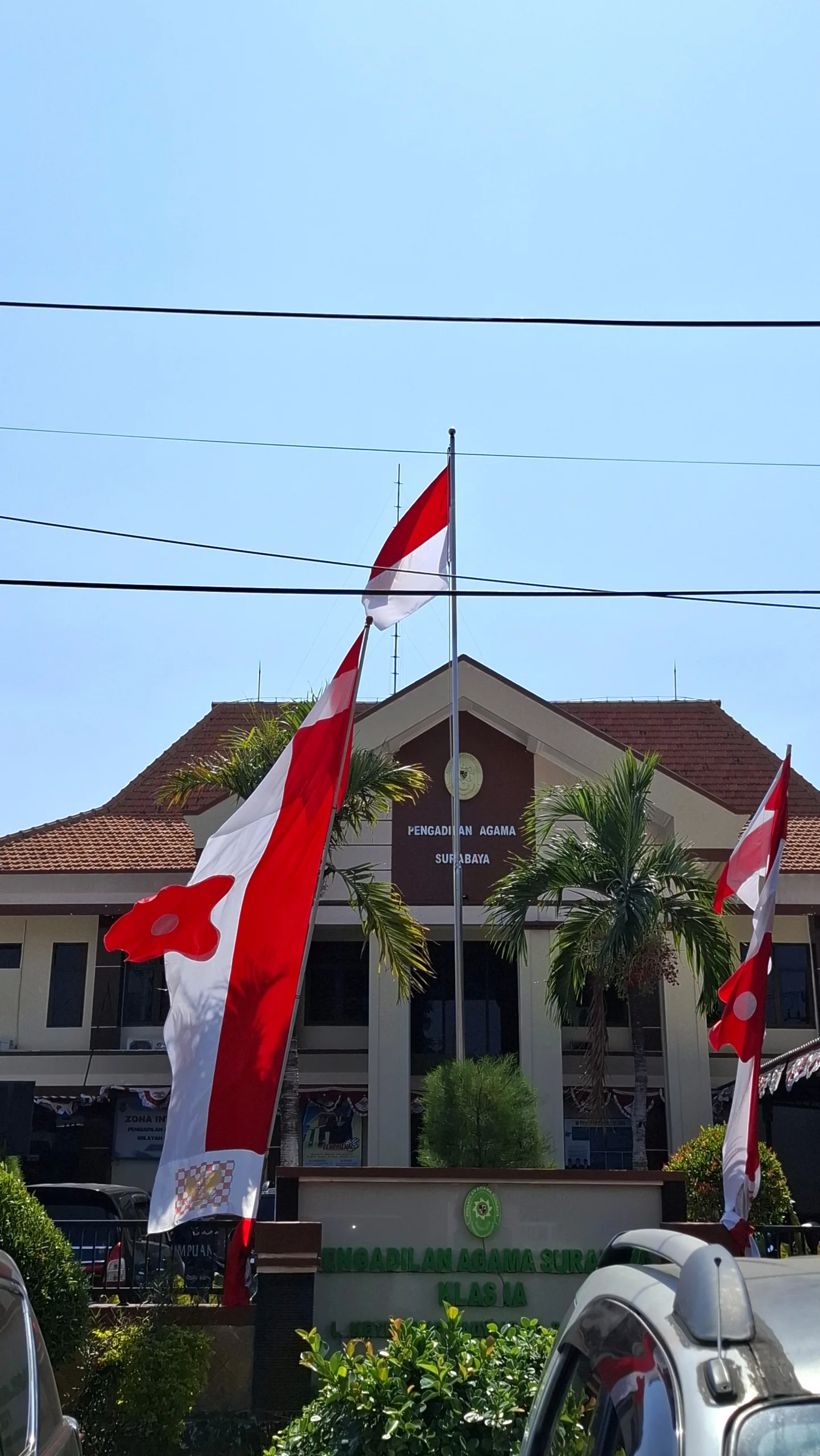
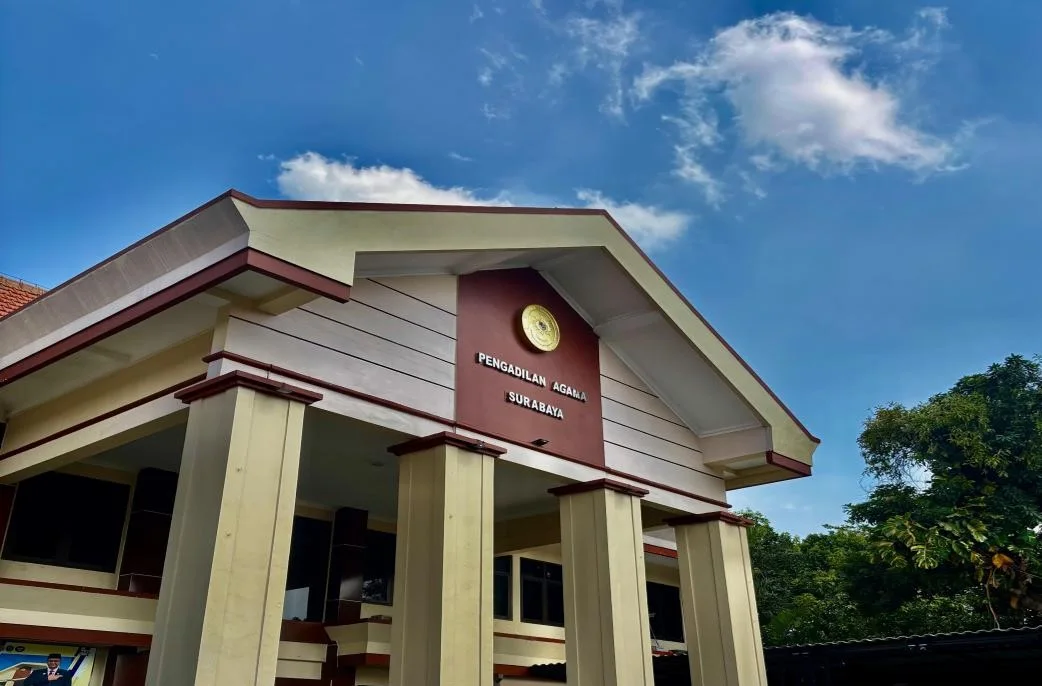
The Religious Court is a judicial body under the Supreme Court of the Republic of Indonesia that has the authority to examine, decide, and resolve specific cases for the Muslim community. This authority covers a number of areas, including marriage and inheritance, in accordance with statutory regulations. In practice, the process of resolving cases requires not only an understanding of the applicable laws but also strict adherence to procedural law. This was made clear to students through their direct observation of the trial proceedings and the examination stages conducted in the courtroom.
This observation activity serves as a means for Untag Surabaya law students to bridge the theory acquired during lectures with practice in the judicial environment. Students were able to see how judges perform their duties in examining cases and how trial proceedings are conducted in an orderly manner. The experience also broadened the students' perspective on the importance of precision and compliance with procedures in the case resolution process. By participating in this activity, students gained a clearer picture of procedural law practice in the Religious Court.
Through the Religious Litigation clinical course, students are expected to deepen their understanding of the religious judicial process in Indonesia. Direct observation serves as a learning experience that helps students recognize trial practices rather than just understanding the provisions through theory. During the activity, students maintained courtroom decorum and respected the ongoing legal processes. This experience is expected to serve as a foundation for students to broaden their horizons and prepare themselves for future legal practice.






Comments 0
Write a Comment Share your response