


Batam, JurnalPost.com — The S1 Accounting Education Study Program at the Faculty of Economics and Business (FEB), State University of Surabaya (UNESA), in collaboration with Batam State Polytechnic, held a training session on the use of the Wayground digital platform for teachers belonging to the Accounting Subject Teacher Forum (MGMP) of Batam City.
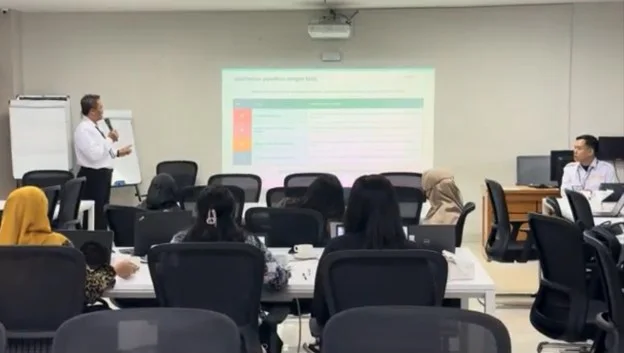
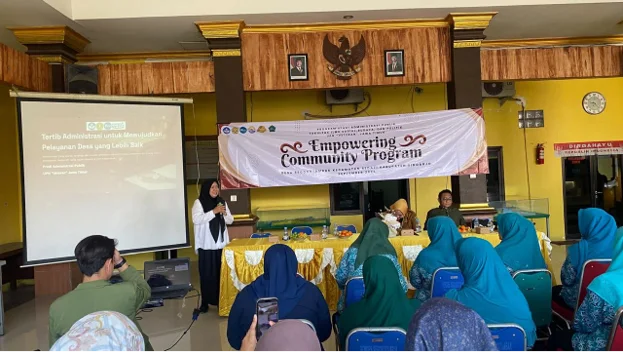
The training, which took place from 21 to 23 September 2026 at Tower A of Batam State Polytechnic, was part of a Community Service (PKM) program titled “Training on the Utilization of the Wayground Digital Learning Platform as a Learning Assessment Tool for Accounting MGMP Teachers in Batam City.”
The activity, which began at 08.00 WIB, focused on improving teachers' skills in utilizing digital technology to create accounting learning assessments that are more interactive and aligned with student needs.
The use of technology in the assessment process is a crucial aspect of educational development. Teachers are not only expected to deliver material effectively but also to develop assessment methods that increase student engagement throughout the learning process.
Introducing Digital-Based Learning Assessment
Through this training, the Batam City Accounting MGMP teachers were introduced to the use of Wayground as an alternative digital learning assessment platform.
The platform can be used to develop more engaging and participatory assessment activities. With a digital approach, learning assessment is expected to evolve from merely a tool for measuring learning outcomes into an integral part of the learning process itself.
For accounting teachers, the use of digital platforms opens opportunities to develop a variety of questions, exercises, and assessment activities that can be tailored to the characteristics of the material and the needs of the students.
Mastery of assessment technology is becoming increasingly relevant as the use of digital devices and services in educational environments continues to grow.
Involving the UNESA Accounting Education Lecturer Team
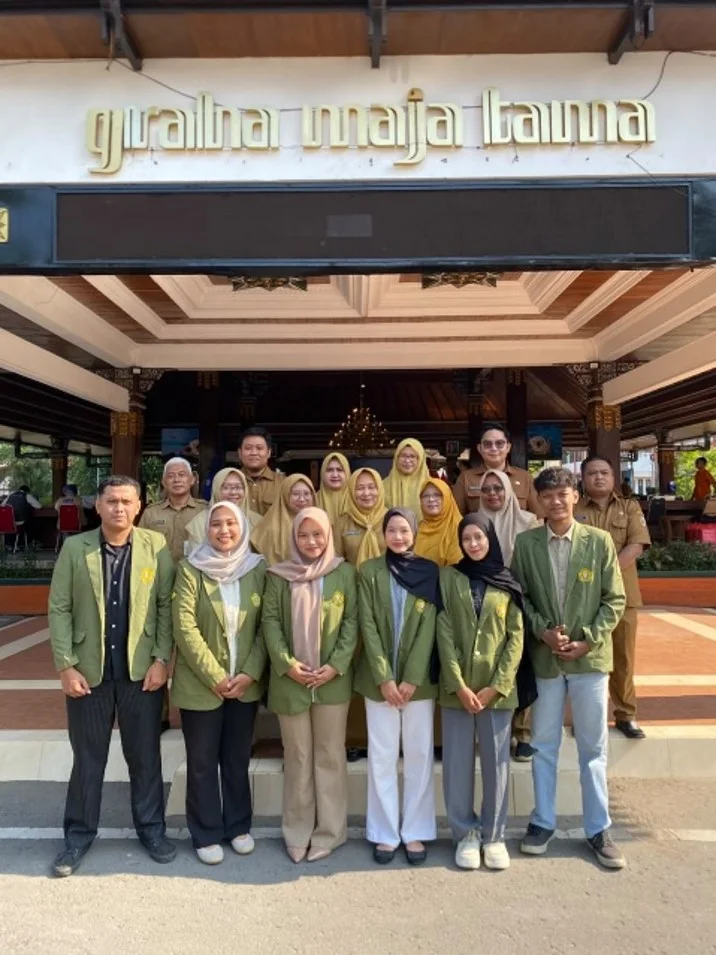
This community service activity involved a team of lecturers and members from the S1 Accounting Education Study Program at FEB UNESA.
The team consisted of Dr. Muhammad Miftah Farid, S.Pd., M.Pd.; Dr. Suci Rohayati, S.Pd., M.Pd.; Dr. Luqman Hakim, M.S.A.; Vivi Pratiwi, S.Pd., M.Pd.; Amirul Arif, S.Pd., M.Ak.; Irwan Adimas Ganda Saputra, S.Pd., M.A.; Novita Aprilia, S.Pd., M.Pd.; Hendra Gunawan, S.E., M.Sc.; Febrina Wulandari, S.Tr.Akun., M.Acc.; Muhammad Ramadhan Slamet, S.E., M.Acc.; Salsabila Nur Faidah; and Nadhirra Shaffa Aprilia Faaitha.
The involvement of this academic team is part of an effort to bridge the knowledge and experience of higher education institutions with the practical needs of educators in schools.
Through this collaboration, it is hoped that the results of knowledge and learning technology development within the university environment can be utilized more broadly by teachers.
Supporting SDGs 4 and SDGs 17
In addition to focusing on teacher competency development, this training also relates to two goals within the Sustainable Development Goals (SDGs), namely SDG 4 on Quality Education and SDG 17 on Partnerships for the Goals.
SDG 4 emphasizes the importance of inclusive, equitable, and quality education, including the improvement of educator competencies and lifelong learning opportunities.
In this context, the training on using Wayground is expected to help teachers develop information and communication technology skills to support the quality of learning assessments.
Meanwhile, SDG 17 emphasizes the importance of partnerships and cooperation in achieving sustainable development goals.
The collaboration between UNESA and Batam State Polytechnic demonstrates how higher education institutions can work together to share knowledge, expertise, and innovation to address community needs, particularly in the field of education.
This cooperation also opens opportunities for the development of sustainable mentoring programs and teacher competency enhancement.
Through this training, the Batam City Accounting MGMP teachers are expected to be able to apply the use of Wayground in their daily learning activities.
The implementation of digital-based assessment is expected to be a step toward creating accounting learning that is more interactive, adaptive, and relevant to the development of educational technology.




Comments 0
Write a Comment Share your response