

Author: Grace Sissela Marpaung
UPN “Veteran” East Java
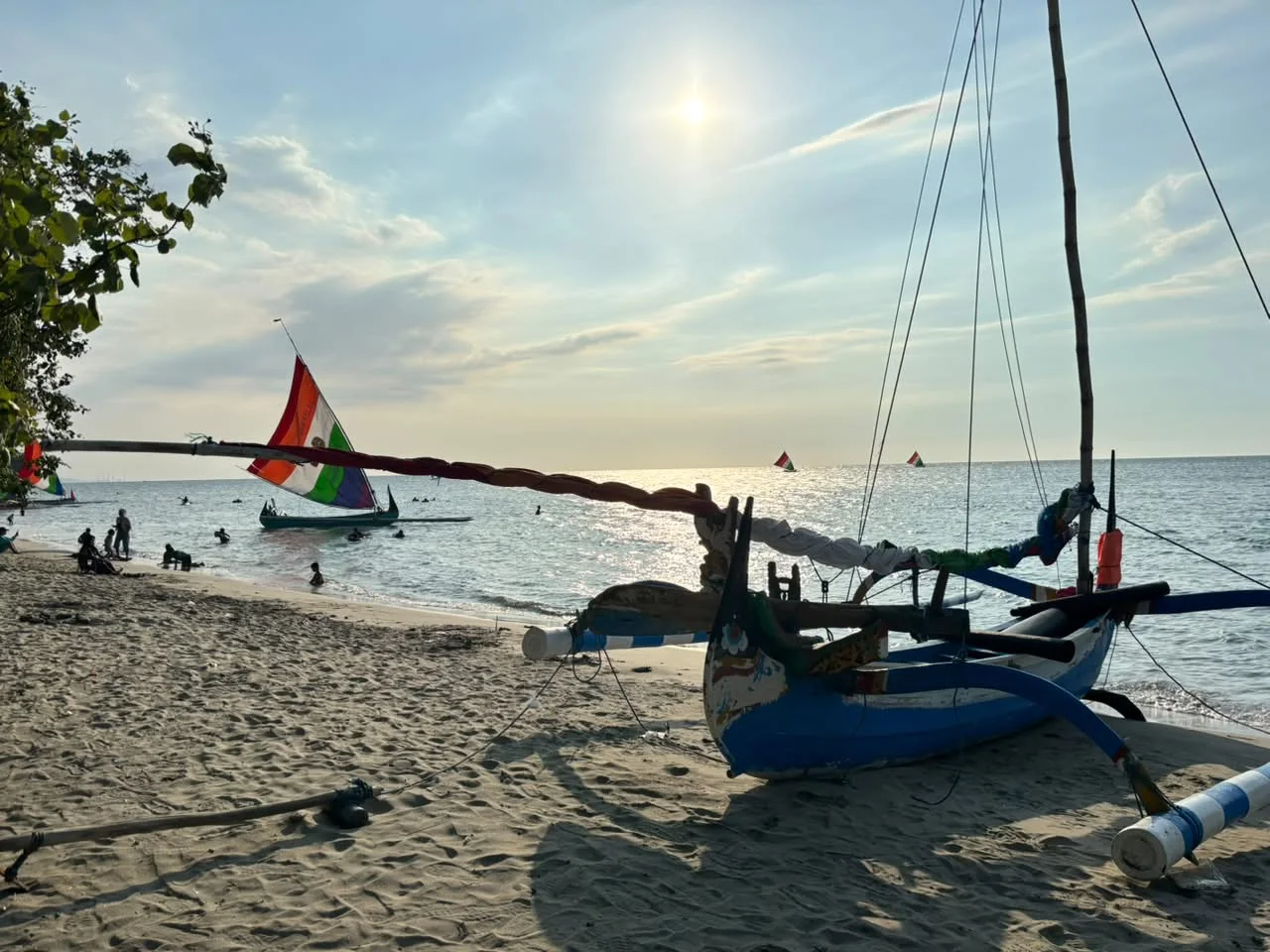
Pasir Putih Beach in Situbondo Regency is a marine tourism destination with a unique appeal on the northern coast of East Java. Its expansive shoreline, panoramic sea views, and marine tourism activities are vital assets in attracting visitors. On weekends, the area is bustling with tourists eager to enjoy the beach atmosphere, swim, or experience boat tours. However, behind this potential lie several challenges that must be addressed to ensure the destination's sustainability.
One compelling attraction is the boat tourism offered to visitors. The presence of boat service providers not only offers an alternative marine tourism experience but also creates economic opportunities for the local community. These activities could be developed into more organized tour packages, such as scenic sea cruises, coastal ecosystem education, or introductions to the lives of local fishermen. Nevertheless, these services need to be managed professionally so that tourists feel comfortable and are not inconvenienced by overly persistent sales tactics.
On the other hand, the high volume of weekend visitors highlights the importance of adequate supporting facilities. Field observations indicate that the availability of toilets remains relatively limited, and they are currently shared with rinsing facilities. This situation forces tourists to queue, especially when visitor numbers surge. Furthermore, cleanliness is a significant concern. Trash is still found in both the beach area and the parking lots. This suggests that waste management must become a core component of destination governance rather than just an occasional cleanup activity.
The waste issue becomes even more critical when considering the character of Pasir Putih Beach as a marine tourism destination. Unmanaged trash can be carried by wind or water currents into the sea, potentially disrupting coastal ecosystems. Increased tourism activity should be matched by a robust waste management system, ranging from the provision of adequate trash bins and regular collection to educating visitors and tourism operators.
Another challenge is ensuring that increased tourism activity does not place excessive pressure on the coastal environment and marine ecosystems. Marine tourism activities, rising visitor numbers, and the utilization of the beach area require planned management. Beach cleanliness, the regulation of boat activities, and the protection of underwater ecosystems must be a shared priority.
The development of Pasir Putih Beach should not be oriented solely toward increasing visitor numbers or constructing physical facilities. Revitalizing the destination requires strengthening governance, improving service quality, providing adequate sanitation facilities, implementing integrated waste management, and fostering local community involvement. Educating tourists on cleanliness and marine environmental protection should also be integrated into the overall tourism experience.
Ultimately, protecting the sea means protecting the future of tourism itself. Pasir Putih Beach has the potential to continue growing as a premier marine tourism destination in Situbondo. However, its success should not be measured merely by the number of visitors, but by the quality of the tourism experience, the economic benefits for the community, and the ability to maintain environmental sustainability. Sustainable tourism is not just about providing an attractive place to visit; it is about ensuring the destination remains clean, comfortable, preserved, and valuable for future generations.








Comments 0
Write a Comment Share your response