

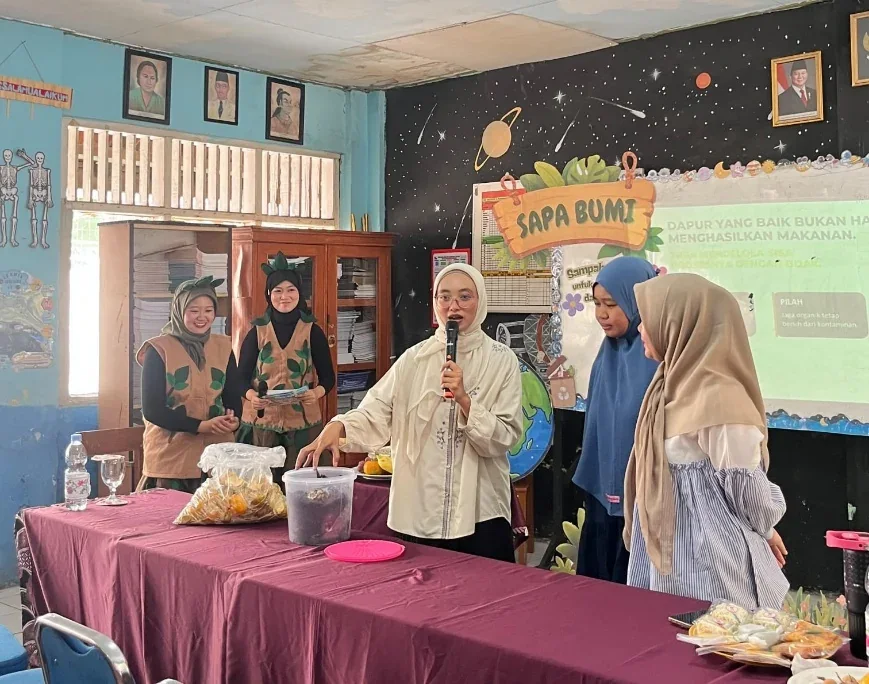
Purwakarta, JurnalPost.com – The Community Service (PKM) team implemented the SAPA BUMI program at SDN 6 Nagrikaler, Purwakarta Regency, West Java, to convert food scraps and fruit peels from the Free Nutritious Meal (MBG) program into compost. This initiative involved teachers and students' parents in waste sorting and composting activities.
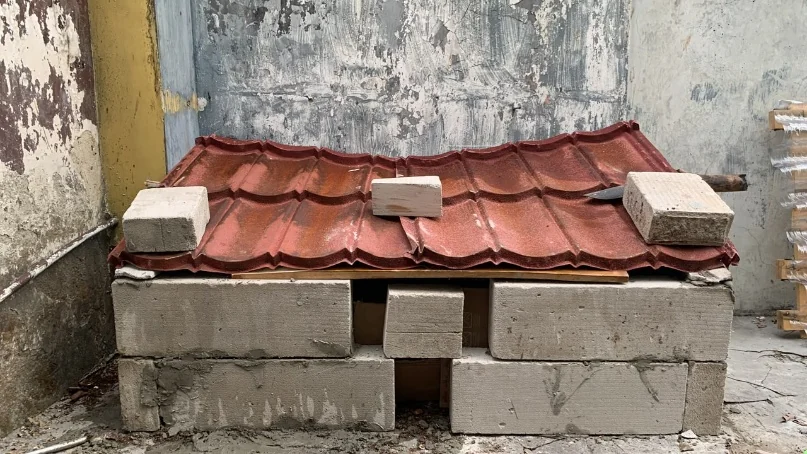
SAPA BUMI, an acronym for Organic Waste for Utilization from the Earth, began with the construction of composting facilities. The resulting compost is intended to be used for maintaining plants within the school environment.
Construction of composting facilities and workshops
The SAPA BUMI program was executed in two continuous stages. The first stage took place on 21 October 2026 with the construction of hollow bricks to serve as composting bins. This facility serves as the initial step in providing a dedicated space for organic waste processing on school grounds. The hollow bricks provide a structure that facilitates the decomposition of organic materials, allowing school waste to be managed more effectively.
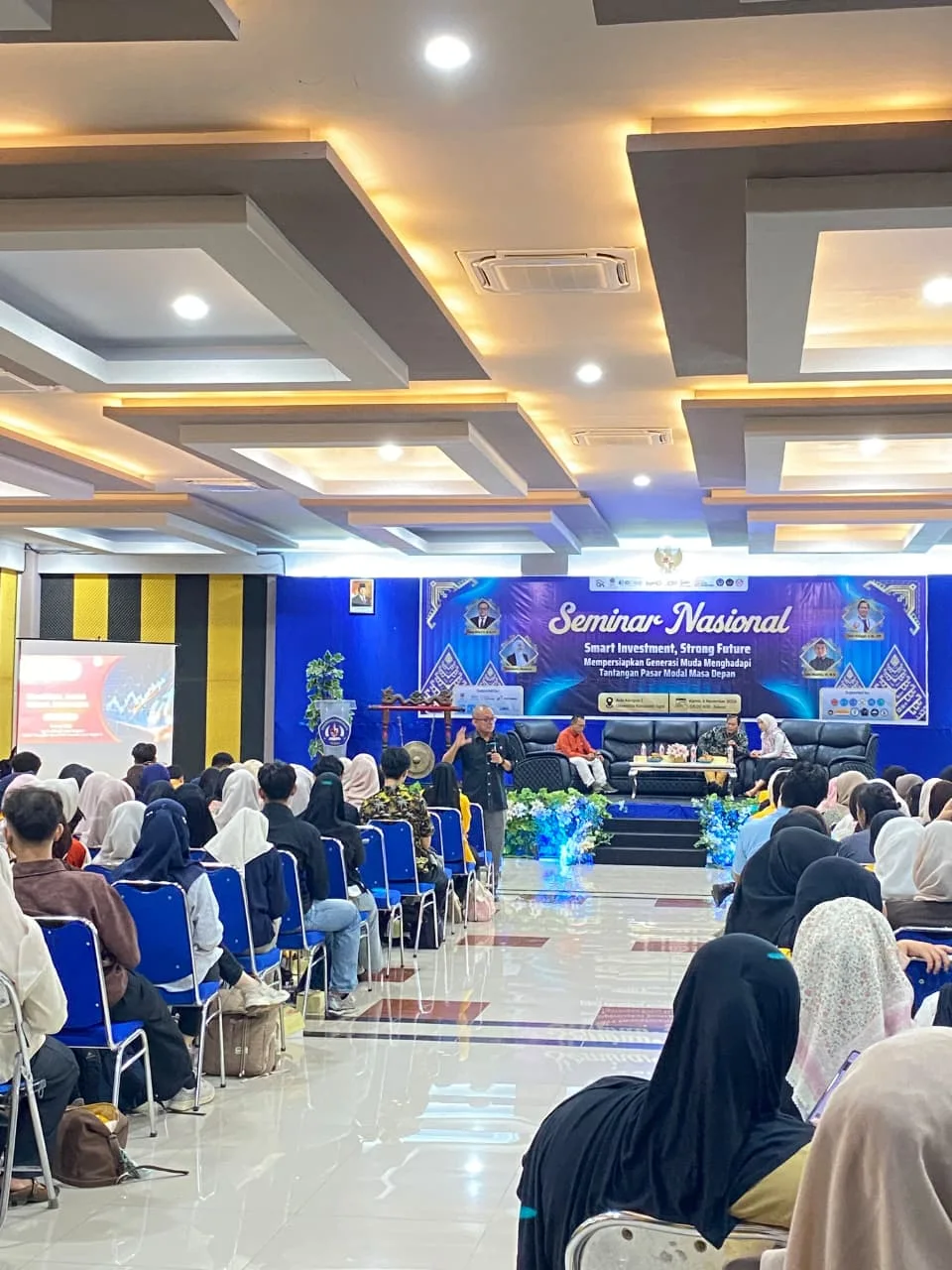
The second stage was held on 6 November 2026 through an organic waste management workshop involving 72 participants, consisting of 45 parents and class coordinators, as well as 27 teachers from SDN 6 Nagrikaler. This activity served as both an educational effort and a means to empower the school community, enhancing their knowledge and basic skills in waste management, particularly regarding organic waste from the MBG program. The involvement of these various stakeholders is expected to strengthen collaboration between the school, parents, and the community in maintaining environmental cleanliness.
During the workshop, participants received information on the importance of waste management, an introduction to different types of waste, and techniques for sorting organic and inorganic materials. The session continued with an overview of various composting methods, including the use of fruit peels, food scraps, and dried leaves as raw materials for compost. Through this activity, participants learned how to process organic waste to give it utility and enable its reuse.
Hopes for continued composting
SAPA BUMI Project Lead, Nurul Hasna Haifa, expressed her hope that the school community and parents will implement composting as a routine practice.
“Through the SAPA BUMI program, we aim to increase the school community's understanding and concern for organic waste management, specifically regarding food scraps from the MBG program and dried leaves that can be turned into compost. We hope this activity does not end with just the socialization phase but serves as the first step in building a sustainable habit of sorting and processing waste through collaboration between the school, parents, and students,” said Nurul Hasna Haifa.
Support for the program was also expressed by the Coordinator of Mentor Teachers at SDN 6 Nagrikaler, Ade Kurnia, S.Pd. She appreciated the SAPA BUMI program for involving various elements of the school community in efforts to preserve the environment.
“The SAPA BUMI socialization provides benefits to the school environment by addressing the theme of organic waste management, which is directly related to cleanliness and environmental sustainability. Involving parents is also a positive aspect because maintaining the school environment requires support and participation from all parties,” stated Ade Kurnia.
The benefits of the activity were also felt by the parents who attended the workshop. One parent representative noted that the SAPA BUMI program was well-executed and provided new knowledge regarding the utilization of organic waste, which had previously been largely unknown to them.
“The SAPA BUMI activity went well and was very beneficial for us as parents. Previously, we usually just burned organic waste or used it as animal feed. Through this activity, we learned that organic waste like food scraps, fruit peels, and dried leaves can actually be processed into compost that benefits the environment. This knowledge is a new experience for us and we hope it can be applied in our daily lives, both at home and at school,” said one of the parent representatives.
Meanwhile, Field Supervisor Tiara Yogiarni, M.Pd., expressed her appreciation to the school for supporting the implementation of the Community Service (PKM) program.
“We express our gratitude and appreciation to SDN 6 Nagrikaler for assisting the students in organizing this Community Service activity. We hope the SAPA BUMI program can provide benefits to the school, particularly in supporting organic waste management and increasing the school community's environmental awareness,” said Tiara Yogiarni.
The Principal of SDN 6 Nagrikaler, Hj. Tintin Rosmayanti, S.Pd., who opened the SAPA BUMI socialization, also shared her hopes for the program's sustainability.
“I hope this organic waste management activity through the SAPA BUMI program can continue even after the students have completed their service program at the school. This activity is a positive step toward creating a clean school environment. Therefore, the habit of sorting and processing organic waste is expected to be maintained by all members of the school community,” said Hj. Tintin Rosmayanti.
The PKM team leader, Nurul Hasna Haifa, along with team members Thalytha Majma Tsaqifa Taftazani, Mochammad Fadhlan Dzikrulloh, Sheva Febriant Zahra Khoerunnisa, Nurhayati, Nazwa Shafira, Nurbaiti Syifa Widaningsih, and Sherina Herdiana Putri, played a role in the implementation and mentoring of the activities. The collaboration between students and the school community is a vital part of supporting the program's execution while opening opportunities for the sustainable application of organic waste management.
The composting process is still ongoing. Once matured, the compost is expected to be used to care for plants and support greening efforts within the school environment.


Comments 0
Write a Comment Share your response