


Windi Dwi Andika, Najlatul Fatiyah, Alia Dwi Agustin, Mariyanti
Abatrack
Language is an indispensable communication tool, enabling us to exchange ideas and information in our social lives. In today's globalized era, proficiency in foreign languages, particularly English, is paramount in enhancing academic and professional competence. This research employed a literature review method, analyzing 15 articles selected from SINTA-indexed journals published between 2020 and 2025. The findings indicate that songs can effectively aid in word pronunciation, enrich vocabulary, and enhance phonemic perception in a fun and pressure-free manner. Furthermore, songs create a positive learning environment and motivate students to participate actively in speaking. The repetitive use of lyrics and melodies supports memorization and trains rhythm and intonation in English. Therefore, this study recommends the implementation of songs as an innovative alternative method in teaching English pronunciation and emphasizes the importance of developing practical guidelines for BIPA instructors.
Keywords: Language, Foreign Language, English, Communication, Vocabulary
Introduction
Language is a crucial communication instrument, facilitating the exchange of ideas, concepts, and goals among individuals, between individuals and society, and among social groups (Jannah & Ayu, 2022). The advancement of time has democratized language learning, including foreign languages. Foreign languages are language systems that have different grammatical rules, writing systems, and frameworks of thinking compared to the Indonesian language, one example being English (Saragih, 2022). In today's era, anyone can easily learn them, including English, which is introduced at an early age (Lubis et al., 2024). Proficiency in foreign languages, particularly English, is a valuable asset for students, not only for pursuing studies abroad but also for enhancing their competitiveness in securing employment. Proficiency in foreign languages has been proven to increase an individual's market value (Thariq et al., 2021).
In the context of globalization, English proficiency plays a crucial role (Hilmi & Humaira, 2024). Sutrisno & Karnadi, (2021) argue that language learning should begin at an early age as it is a global communication tool. Its recognition as an international language makes English the primary communication medium among nations (Utami et al., 2022). Therefore, English language competence is an essential component in facilitating international interaction and cooperation. However, for native Indonesian speakers, mastering English pronunciation often presents a unique challenge.
One of the main issues in English language teaching is the lack of exposure to real-world English (Widagdo, 2021). Challenges faced, such as disparities in students' linguistic and cultural backgrounds, levels of learning motivation, limited resources, and teacher capabilities, require appropriate pedagogical solutions (Turahman & Mutiarani, 2024). Furthermore, learning a new language, especially a foreign language, inevitably involves pronunciation errors. This is a normal part of the learning process and experienced by all learners who aim to master more than one language (Munandar et al., 2021). Pronunciation involves the coordinated use of speech muscles to produce sounds that can be heard and understood by others.
Various learning methods have been developed to address these challenges, one of which is the use of songs. Learning English through songs has proven to be effective due to its easy accessibility (Sembiring et al., 2023). Songs are easy to digest and remember, improving listening and pronunciation skills, and expanding vocabulary. This method is effective because popular songs are easily found everywhere. Repetition of lyrics and melodies aids comprehension and memorization, naturally familiarizing students with English vocabulary and sentence structure (Farhansyah et al., 2023). The ability to listen and pronounce words is also honed through this process, gradually enriching their vocabulary. The use of songs can also enhance learners' motivation and active participation, as the enjoyable and entertaining element of music can reduce fear and nervousness in speaking practice.
This literature study will examine various studies on the effectiveness of using songs to improve English pronunciation as a Foreign Language (BIPA). Its primary objective is to provide a comprehensive overview of the potential and limitations of this learning method. It is hoped that the findings of this study will contribute to the development of more effective and innovative learning practices and provide practical recommendations for BIPA teachers to enhance students' pronunciation skills.
Method
This research employs a literature review methodology. The selection of this method is based on the research objective, which is to analyze 15 relevant literatures related to the research topic. The purpose of the literature review on this topic is to investigate the "Use of Songs to Enhance Pronunciation in English as a Foreign Language." The researcher has reviewed various sources, including previous research findings from journals published within the last five years and indexed in Sinta. To gather data, the researcher utilized keyword searches on journal platforms such as Google Scholar.
From the search results, the researcher only cited information relevant to the topic "Use of Songs to Enhance Pronunciation in English as a Foreign Language" during the period from 2020 to 2025. The data collection process lasted approximately one month, starting from April to May. The research flow is as follows:
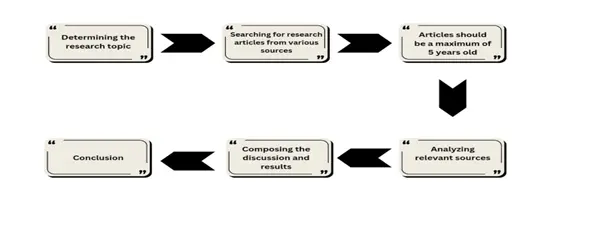 Gambar 1. Research Flow
Results and Discussion
An analysis of 15 research articles shows consistent results in the use of English songs, specifically in improving vocabulary and pronunciation. The results of the research show a focus on a deep understanding of the students’ learning experiences and the impact of using songs on word pronunciation. There were 30 articles obtained after filtering, 15 articles were used in this research. There are 3 studies using classroom action research methods, 7 articles using qualitative research with a descriptive approach, 2 using action research, 1 case study research, and 2 literature review studies.
Based on the analyzed research findings, songs provide clear and repetitive pronunciation models, enabling students to mimic word intonation and rhythm in English. Repetitive vocabulary can contribute to progress in English learning, as vocabulary repetition is crucial in the process of mastering language phonemics (Pasaribu et al., 2023). This aligns with learning principles that emphasize repeated and structured input, as research conducted by Mardicko (2022) indicates that educators should prepare a structured learning framework to be taught to students and delivered repeatedly, allowing them to grasp the taught concepts. Songs are a suitable method for enhancing English proficiency in children (Marsiah et al., 2023).
Learning through songs can create an enjoyable learning environment, reducing the fear and embarrassment of speaking, especially for shy or less confident students. Learning through songs provides a safe and supportive environment for students without feeling pressured. This aligns with research conducted by Ardyarny et al. (2024) which suggests that interpreting songs can reduce anxiety among students and encourage introspection. According to research by Susanthi (2020), exploring favorite English songs can expand vocabulary in an enjoyable way. This is also consistent with research by Febriani & Sya (2022) which states that listening to English songs can alleviate students' difficulties in English pronunciation.
The use of songs can effectively enhance English language skills as songs are easily accessible. Songs can create a comfortable mood, preventing pressure in English language learning through the use of songs (Farhansyah et al., 2023). Learning English through songs can motivate students, aligning with research that suggests this approach can provide new enthusiasm and motivation for students to learn English pronunciation. Repeated learning of English through songs makes students more enthusiastic and less hesitant in their pronunciation, boosting their confidence and motivation to improve their English sound pronunciation (Purnama, 2022). This is also supported by research by Kara et al. (2024) which states that using songs in English language learning can spark student motivation and provide a dynamic and enjoyable approach.
Repeatedly listening to songs can also improve students' phonemic perception skills. Phonemic ability is the ability to distinguish sounds within a language. Phonemics, a part of phonology, examines the function of language sounds in creating differences in meaning (Evelina et al., 2024). Research by Pohan et al. (2022) indicates that songs provide a high level of activity that can be utilized in introducing English vocabulary to students. The ability to recognize and manipulate phonemes, the smallest sound units in language, is a key factor in literacy success. Mastering phonemic aspects is crucial for the development of pronunciation skills.
Conclusion
Based on the conducted research on the use of songs in English language learning, it can be concluded that songs are an effective method for enhancing pronunciation in English, supported by relevant theories and principles. Songs provide repetitive pronunciation models, reduce fear of speaking, and improve phonemic perception skills. Further research is needed to investigate the quantitative impact of using songs to improve pronunciation, comparing it to other teaching methods. It is crucial to develop practical guidelines for teachers in selecting and effectively utilizing songs in the English language learning process.
Bibliography
Ardyarny, F. I., Nugraha, A. P., Aprilia, W., & Lestari, P. (2024). Interpretasi Lagu ’ Anti-Hero ’ Karya Taylor Swift Dalam Mengurangi Kecemasan Sosial. In Seminar Nasional Universitas Negeri Surabaya (pp. 624–642). https://journal.institercom-edu.org/index.php/multiple
Evelina, H., Amelia Damanik, N., Alfani, R., Syahputra, R., & Audina, F. (2024). Fonetik Fonemik Dan Grafemis. Dan Fitra Audina, 2(5), 1644–1652. https://journal.institercom-edu.org/index.php/multiple
Farhansyah, M., Mutmainah, M., & Anggraini, F. (2023). Analisis Penggunaan Lagu Untuk Meningkatkan Kemampuan Berbahasa Inggris Mahasiswa. Indonesian Journal of Innovation Multidisipliner Research, 1(1), 10–20. https://doi.org/10.69693/ijim.v1i1.2
Febriani, R., & Sya, M. F. (2022). Kesulitan Siswa Sekolah Dasar Dalam Pengucapan Bahasa Inggris. Karimah Tauhid, 1(4), 461–467.
Hilmi, R. A. R., & Humaira, M. A. (2024). Pengaruh Bahasa Asing Terhadap Perekonomian Global. Karimah Tauhid, 3(1), 662–668. https://doi.org/10.30997/karimahtauhid.v3i1.9204
Jannah, R. L., & Ayu, A. P. (2022). Penggunaan Lagu Bahasa Inggris Untuk Meningkatkan Kemampuan Berbicara Siswa Kelas VIII C SMP Negeri 2 Banguntapan. Semnas Plp, 3(1), 1179–1181. http://seminar.uad.ac.id/index.php/semhasmengajar/article/view/9818
Kara, Y. M. D. K., Sama, G., Ningsih, N., Separ, F. M., Sulaiman, S. R., De Flores, M. P., & Lima, P. R. L. (2024). Penggunaan Metode Lagu dan Permainan Untuk Meningkatkan Kosa Kata Bahasa Inggris Pada Bimbingan Belajar Amora Luz. Madaniya, 5(2), 702–710. https://doi.org/10.53696/27214834.787
Lubis, J. P., Fitri, N. Z. N., & Ridwan, S. C. (2024). Pentingnya Menguasai Bahasa Inggris dan Faktor Yang Mempengaruhi Kemampuan Berbahasa Inggris. Karimah Tauhid, 3(3), 3599–3605. https://doi.org/10.30997/karimahtauhid.v3i3.12553
Mardicko, A. (2022). Belajar dan Pembelajaran. Jurnal Pendidikan Dan Konseling, 4(4), 54.
Marsiah, Wati, Z. K., Alamsyah, F., Ninsy, R. O., Rahman, Abdul, Vita, Umam, N., Rajudin, Febriani, A. A., Maulana, R., & Khatimah, H. (2023). Bimbingan Belajar Bahasa Inggris Anak-Anak Dengan Media Lagu Desa Mekar Indah. Jurnal Budimas, 5(2), 1–23.
Munandar, I., Indira, D., & Darmayanti, N. (2021). Kesalaha vokal Bahasa Mahasiswa Kelas Bericara UIN Sunan Gunung Djati. Adabiyyāt: Jurnal Bahasa Dan Sastra, 6(2), 157–177.
Pasaribu, A. N., Pasaribu, T. K., Elfrida, R., Sembiring, R. A., Leriana, Manullang, K. P., & Zai, M. (2023). Pelatihan Pengusaan Kosa Kata Dan Pengucapan Bahasa Inggris Dengan Metode Bernyanyi Bagi Anak-Anak Sekolah Minggu. Communnity Development Journal, 4(1), 502–507.
Pohan, S., Irmayana, A., Husainah, N., & Saputra, F. B. (2022). Memperkenalkan Vocabulary Melalui Lagu Pada Anak Sd. Jurnal Adam : Jurnal Pengabdian Masyarakat, 1(2), 304–308. https://jurnal.spada.ipts.ac.id/index.php/adam
Purnama, S. (2022). Pembelajaran Bahasa Inggris Melalui Lagu. Prosiding Seminar Nasional Bahasa, Seni, Dan Sastra, 1, 283–291.
Saragih, D. K. (2022). Dampak Perkembangan Bahasa Asing terhadap Bahasa Indonesia di Era Globalisasi. Jurnal Pendidikan Tambusai, 6(1), 2569–2577. https://www.jptam.org/index.php/jptam/article/view/3312
Sembiring, R. A., Manik, S., Sinambela, E., Pasaribu, T. K., Pangaribuan, R. E., & Pasaribu, A. N. (2023). Peningkatan kosakata bahasa inggris melalui lagu natal untuk generasi muda di desa parbubu. Communnity Development Journal, 4(1), 253–257.
Susanthi, I. G. A. A. D. (2020). Kendala dalam Belajar Bahasa Inggris dan Cara Mengatasinya. Linguistic Community Services Journal, 1(2), 64–70. https://doi.org/10.55637/licosjournal.1.2.2658.64-70
Sutrisno, J., & Karnadi, V. (2021). Aplikasi Pendukung Pembelajaran Bahasa Inggris Megunakan Media Lagu Berbasis Android. Jurnal Comasie, 4(6), 119–151. https://doi.org/10.1142/9781786348838_0006
Thariq, P. A., Husna, A., Aulia, E., Djusfi, A. R., Lestari, R., Fahrimal, Y., & Jhoanda, R. (2021). Sosialisasi Pentingnya Menguasai Bahasa Inggris Bagi Mahasiswa. Jurnal Pengabdian Masyarakat: Darma Bakti Teuku Umar, 2(2), 316. https://doi.org/10.35308/baktiku.v2i2.2835
Turahman, L. F., & Mutiarani. (2024). Kompleksitas Pengajaran Bahasa Inggris di Sekolah Internasional di Negara Non-Bahasa Inggris. Seminar Nasional Dan Publikasi Ilmiah, 2843–2853.
Utami, W., Sya, M. F., & Hidayat, A. (2022). Developing English learning material for grade 4 students. LADU: Journal of Languages and Education, 2(6), 231–240. https://doi.org/10.56724/ladu.v2i6.144
Widagdo, A. (2021). Pengajaran Pengucapan Kata Bahasa Inggris: Tantangan Mengajar Efl Di Negara Yang Tidak Berbahasa Inggris. Jurnal Kreatif: Jurnal Kependidikan Dasar, 12(1), 224–233. https://garuda.kemdikbud.go.id/documents/detail/2317461








Komentar 0
Komentar untuk artikel ini ditutup.