

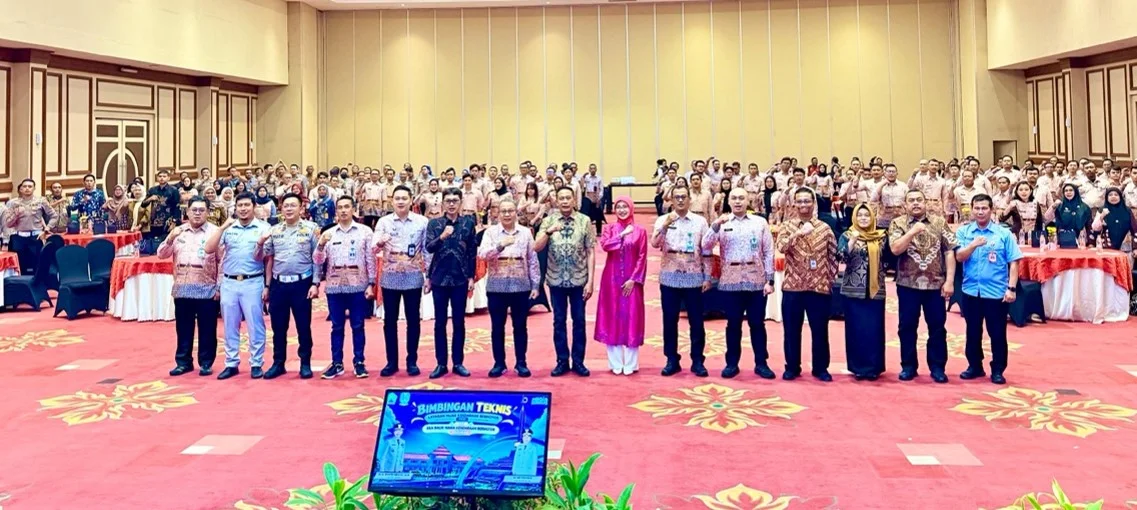
MALANG, JurnalPost.com – Faculty members from the Communication Science Department at the Universitas Pembangunan Nasional (UPN) “Veteran” East Java are providing guidance to staff at the Malang City Regional Revenue Agency (Bapenda) to improve their communication skills when serving the public.
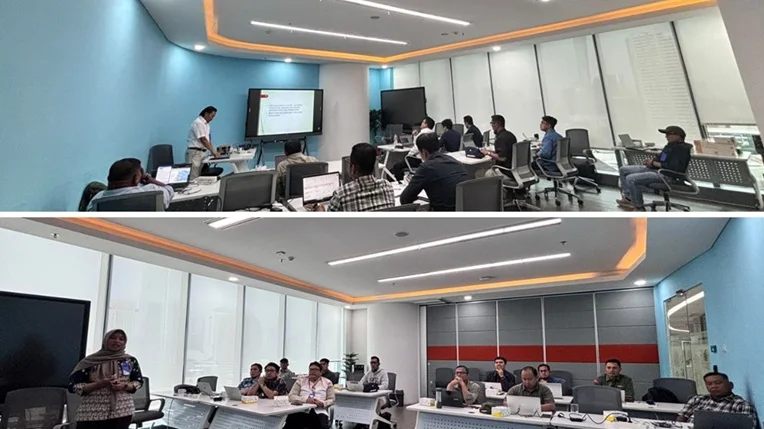
The training, themed “Effective Communications for Public Service Excellence” is part of a community service initiative focused on strengthening the competencies of government officials, particularly in building effective, professional, and citizen-oriented communication.
The event was attended by the Mayor of Malang, Dr. Ir. H. Wahyu Hidayat, M.M., alongside the Head of the Malang City Bapenda. Their presence underscored the commitment to improving the quality of public services within the Malang City Government.
Through this program, Bapenda staff are equipped with various communication skills applicable when dealing with taxpayers and members of the public who require information and regional tax services.
Effective Communication as the Key to Public Service
Quality public service depends on more than just administrative speed and procedural accuracy. The way staff interact with the public plays a crucial role in shaping the service experience and fostering trust in government institutions.
This was a central focus of the training provided to Malang City Bapenda staff, given that tax service officers interact directly with a diverse public with varying needs and temperaments.
Skills such as active listening, explaining procedures in simple language, demonstrating empathy, and responding to inquiries accurately are essential for service personnel.
Effective communication is also expected to help the public understand their rights and obligations regarding regional taxes, while encouraging awareness and participation in fulfilling those obligations.
During the training, participants gained an understanding of the principles of service excellence including the importance of creating a positive service experience from the very first interaction.
Bapenda Staff Trained in Complaint Handling Techniques
The training material covered various aspects of service communication, ranging from verbal and nonverbal communication, active listeningactive listeningempathetic communication, and emotional management when facing challenging service situations.
Participants also studied strategies for complaint handlingthe use of positive language, and how to create a goodfirst impressionwhen providing services.
Beyond theoretical delivery, the program was designed to be interactive, incorporating simulations and communication practice.
In these sessions, participants explored various scenarios that might occur in a service environment, such as assisting citizens who need explanations of tax procedures, receiving taxpayer complaints, and managing potentially conflict-prone communication situations.
Through this practical approach, participants are expected to be better prepared to apply communication skills in their daily work, especially when dealing with the public's diverse needs, levels of understanding, and emotional states.
UPN Veteran Jatim Lecturer Emphasizes Humanistic Service
Dian Hutami Rahmawati, S.I.Kom., M.Med.Kom., a lecturer in Communication Science at UPN “Veteran” East Java, explained that communication is a vital element in creating high-quality public services.
According to her, service excellence cannot be measured solely by the speed at which staff complete administrative tasks.
“Service excellence is not just about how quickly a citizen's business is resolved, but also about how they feel valued, heard, and treated well. Communication acts as a bridge between the competence of the official and the satisfaction of the public. Therefore, public servants need communication skills that are not only informative but also empathetic and solution-oriented,” said Dian.
She noted that the ability to communicate professionally helps officials build better relationships with the community.
Clear information delivery, appropriate responses to questions, and a friendly demeanor when handling complaints are essential components in improving the quality of the service experience.
Dian also reminded staff that every interaction between an official and a citizen reflects the image of the government institution.
“The public may not always remember every service procedure they went through, but they will remember how they were treated. One poor interaction can affect the perception of the institution as a whole. Conversely, friendly, responsive, and professional communication can build public trust in the government,” she added.
Therefore, enhancing the communication competence of officials is considered vital to supporting services that are not only procedurally compliant but also provide comfort and clarity to the public.
Promoting Professionalism and Strengthening Public Institutions
This effective communication training for Malang City Bapenda staff serves as a contribution from higher education toward human resource development in the government sector.
Through community service activities, UPN “Veteran” East Java lecturers aim to bridge academic knowledge with practical workplace needs, particularly in improving the quality of interactions between government officials and the public.
This program also aligns with the achievement of Sustainable Development Goals (SDGs), specifically Goal 16 regarding peace, justice, and strong institutions (Peace, Justice and Strong Institutions).
Strengthening the communication skills of officials is expected to support the realization of public institutions that are more responsive, professional, and capable of providing services that meet public needs.
Furthermore, the activity supports SDG 8 regarding decent work and economic growth (Decent Work and Economic Growth) by enhancing the competence and professionalism of employees in the workplace.
With improved communication skills, Malang City Bapenda staff are expected to provide tax information more clearly, respond to complaints appropriately, and create a positive service experience for taxpayers.
This training underscores the importance of collaboration between universities and local governments in building public services that are effective, humanistic, and oriented toward public satisfaction.


Comments 0
Write a Comment Share your response