

SURABAYA, JurnalPost.com – Universitas Pembangunan Nasional (UPN) “Veteran” East Java continues to drive the modernization of archival governance by strengthening human resource competencies and utilizing artificial intelligence or Artificial Intelligence (AI).
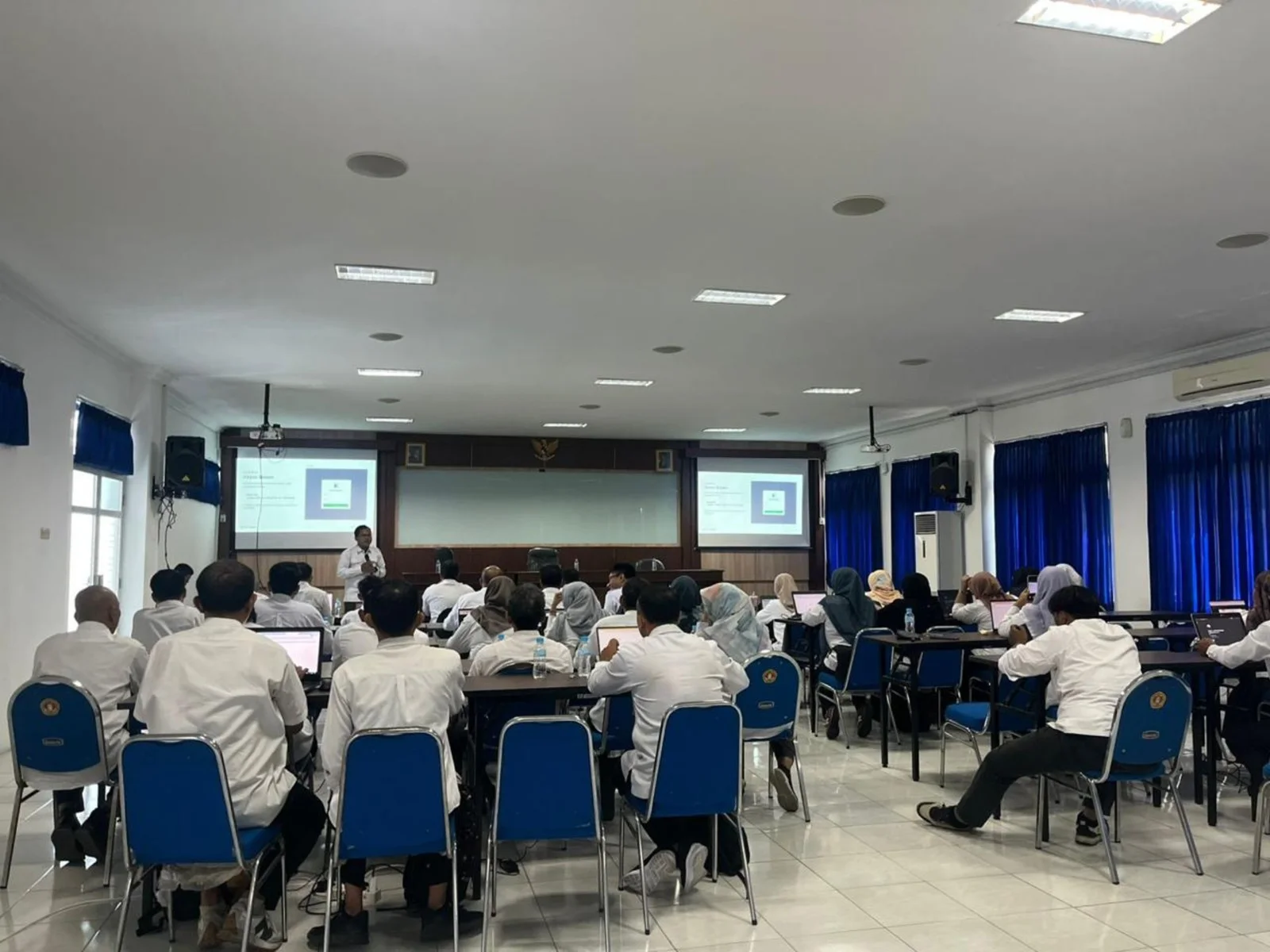
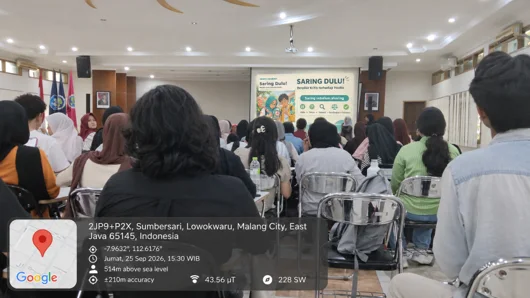
This effort was realized through Dynamic Archive Management Training organized by the Institute for Research and Community Service (LPPM) of UPN “Veteran” East Java from 6–7 May 2026.
The event, held in the Seminar Room of the Science and Technology Park (STP) Building on the 2 floor, involved representatives from various faculties, institutes, bureaus, and Academic Support Units (UPA) within the university.
This training is part of the institutional strengthening of the UPN “Veteran” East Java Archives, developed to support the management of institutional information and documentation in a more orderly, systematic, and integrated manner.
Through the involvement of persons in charge or Person in Charge (PIC) for archives from all work units, the university aims to build a shared understanding of archive management standards.
This step is considered crucial given that every work unit conducts administrative activities and generates various documents that must be managed sustainably.
Improving Dynamic Archive Management Competencies
The training was opened by the Head of LPPM UPN “Veteran” East Java, Prof. Dr. Dedin Finatsiyatul Rosida, S.T.P., M.Kes.
During the two-day event, participants received training on dynamic archive management related to administrative, educational, research, and community service activities.
Topics discussed included dynamic archive management within the Tri Dharma Higher Education business processes, filing systems, archive appraisal and disposal, and dynamic archive access management.
The material was presented by Agus Santoso, S.Sos., M.Med.Kom., and Endang Fitriyah Mannan, S.Sos., M.Hum., Ph.D.
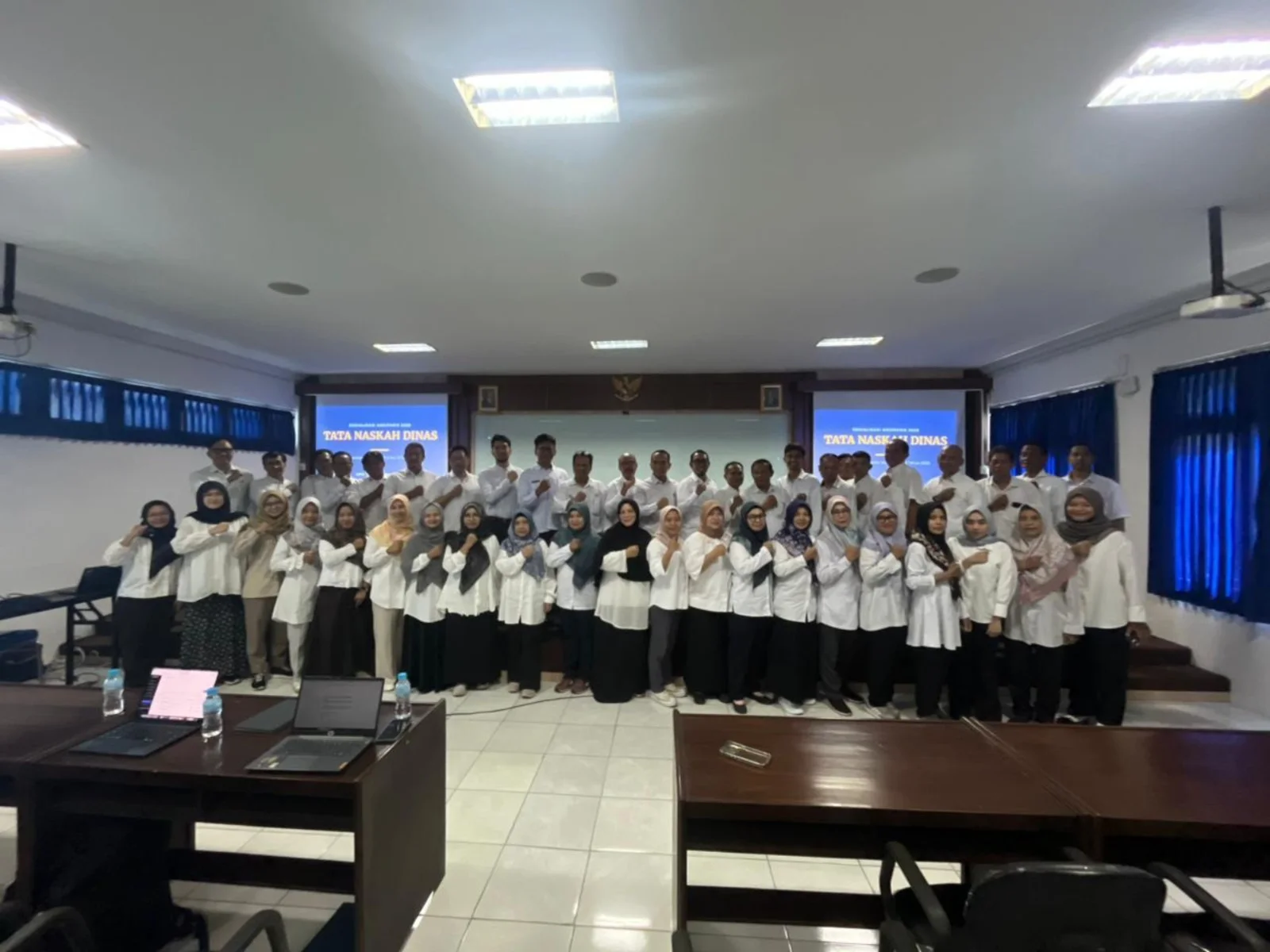
The training was aimed at improving participants' understanding of document management, from creation and storage to the retrieval of archives when needed.
With a more structured management system, each work unit is expected to maintain information availability while supporting the transparency and accountability of university administration.
Introducing KELIR, an AI-Based Archive Search System
In addition to strengthening administrative archive management capabilities, this training served as a momentum to introduce a digital technology innovation called KELIR.
KELIR stands for Knowledge-Enhanced Logic for Intelligent Retrieval, an intelligent AI-based digital archival system developed at UPN “Veteran” East Java.
The system is designed to help users perform searches and track archival information more effectively.
Unlike conventional document search methods that generally rely on keyword matching, KELIR combines several technologies to understand the context and relationships of information between documents.
The technologies used include Knowledge Graph, Vector Database, Retrieval-Augmented Generation (RAG), and AI-Agent.
The integration of these various technologies allows the system to be designed to perform information searches based on the meaning and context of documents, rather than just specific words or phrases.
Through the introduction and training on using KELIR, participants gained insight into the opportunities for utilizing artificial intelligence to support higher education archive management.
The presence of this technology is expected to help accelerate document retrieval processes, improve information accessibility, and support more systematic institutional knowledge management.
Developed by a Team of UPN Veteran East Java Lecturers
The development of KELIR was initiated by a team of UPN “Veteran” East Java lecturers consisting of Iswanda Fauzan, Nambi Sembilu, Iqbal Ramadhani, Farikha Rachmawati, Refiana Dwi, and Miftakhuddin.
This innovation is one of the steps in encouraging the use of digital technology to meet information management needs in higher education environments.
With the increasing number of academic and administrative documents over time, the need for an archival system capable of storing, organizing, and retrieving information has become increasingly important.
The use of AI technology through KELIR is expected to support the development of an archival system that is more adaptive to institutional needs.
However, the success of digital transformation is not determined solely by technological sophistication. Human resource readiness, consistency in applying standards, and coordination between work units are also important factors in its implementation.
Therefore, the dynamic archive management training serves as an initial step to bridge the strengthening of archive management staff competencies with the introduction of digital technology.
Through this collaboration, UPN “Veteran” East Java strives to build a more modern, integrated, and sustainable archival system.
Good archive management is not only related to storing administrative documents but also plays a role in maintaining institutional memory, supporting decision-making, and preserving institutional knowledge over time.
Thus, strengthening archive governance and developing KELIR are part of UPN “Veteran” East Java's efforts to improve the quality of university governance to be professional, effective, and accountable.



Comments 0
Write a Comment Share your response