

SURABAYA, JurnalPost.com – Universitas Pembangunan Nasional (UPN) “Veteran” East Java continues to drive the transformation of administrative and archival governance through the implementation of official document standards and the development of an artificial intelligence (AI)-based digital archive system. Artificial Intelligence (AI).
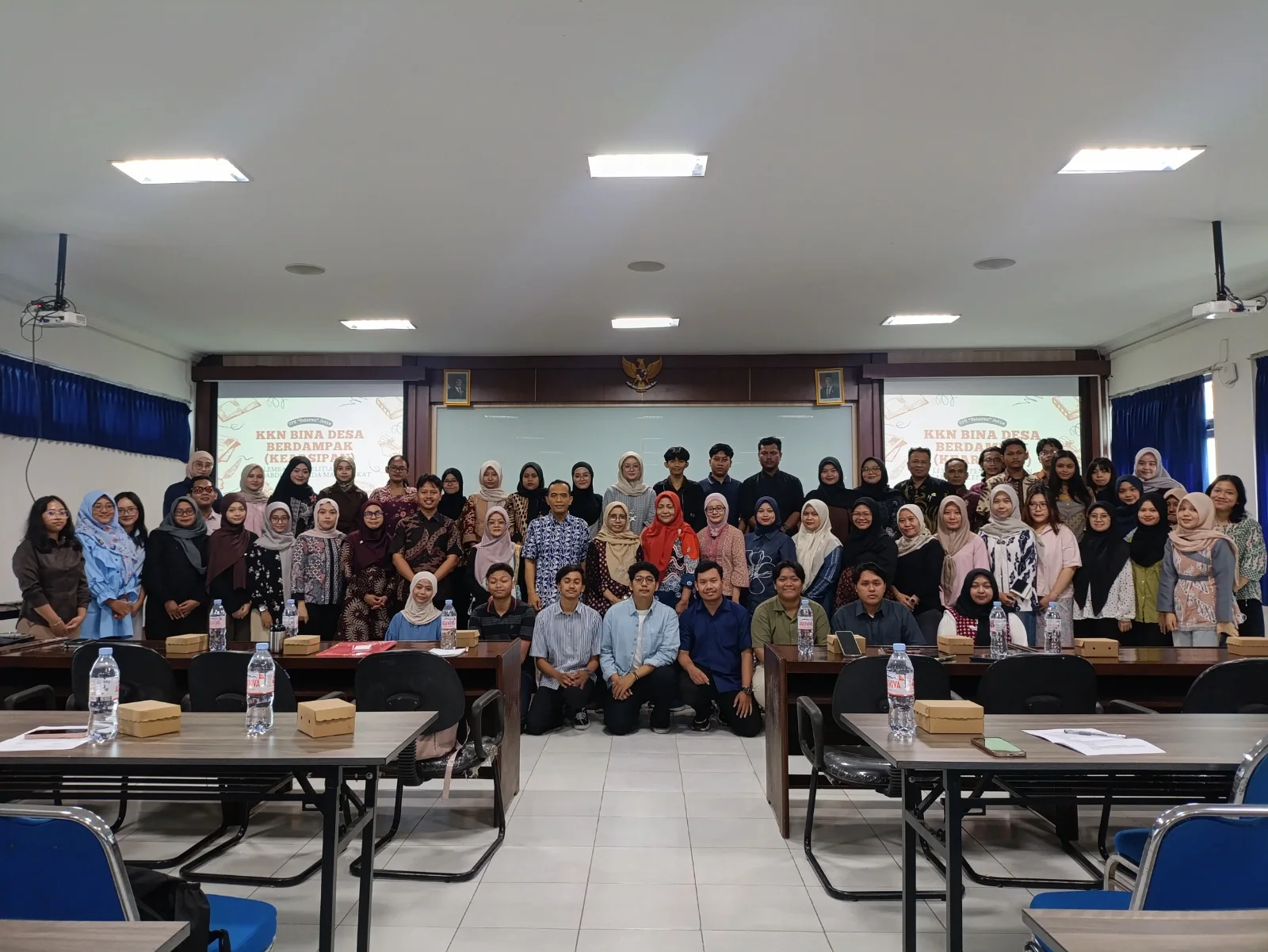
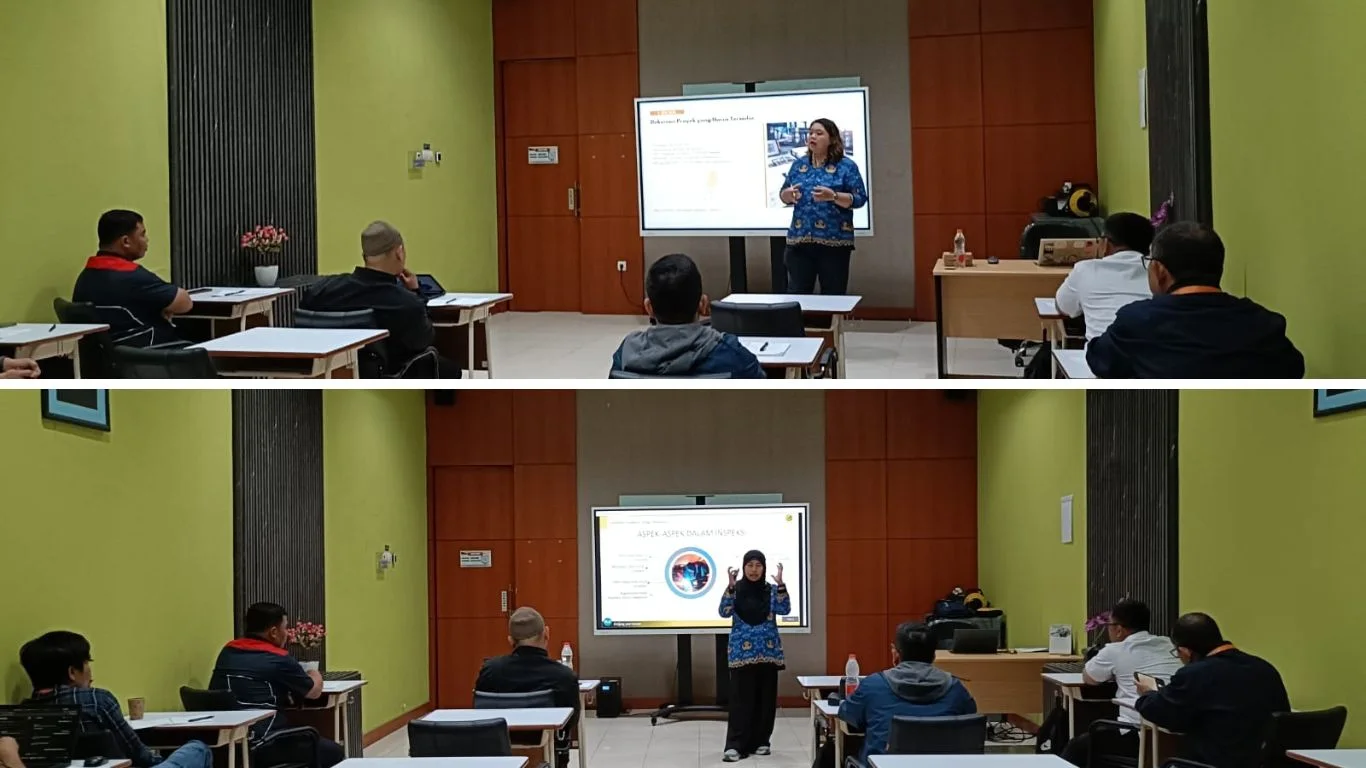
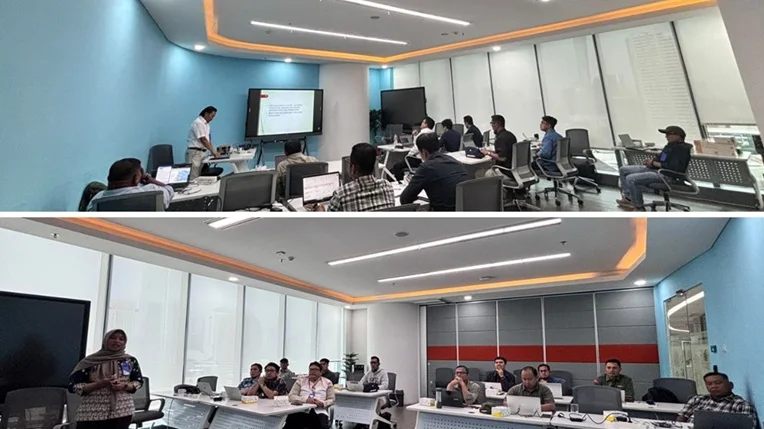
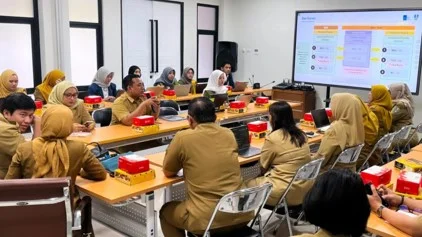
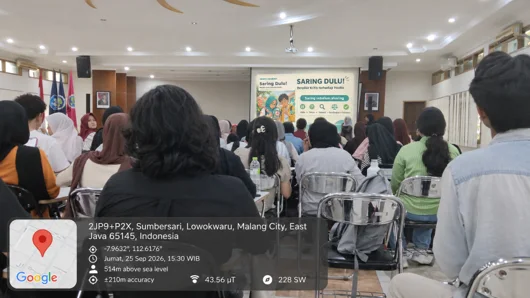
One of the steps taken was the Workshop on Official Document Implementation held by the Center for Archives, Documentation, and Multimedia of UPN “Veteran” East Java on Tuesday, 27 October 2026.
The event, which took place from 08.00 to 12.00 WIB in the Seminar Room of the Science and Technology Park (STP) Building, Floor 2, is part of the university's efforts to strengthen administrative order and ensure uniformity in the management of official documents across all work units.
This workshop also served as a momentum to promote more modern archive management through the implementation of KELIR (Knowledge-Enhanced Logic for Intelligent Retrieval), an intelligent digital archiving system developed within UPN “Veteran” East Java.
Strengthening Administrative Standards on Campus
The application of official document protocols is a crucial aspect of higher education administration. Official documents prepared according to uniform standards support smooth communication between work units while improving the orderliness of information management.
Through the workshop, participants gained a strengthened understanding of the procedures for drafting, using, and managing official documents in accordance with applicable regulations.
This step is necessary to ensure that faculties, institutions, bureaus, and other work units have a common reference for conducting administrative activities.
The uniformity of official document protocols is also closely related to archive management. Documents that are organized systematically from the start are easier to classify, store, and retrieve when needed.
Thus, strengthening official document protocols is not only aimed at improving the format of letters or official documents but also serves as a foundation for building a more professional, effective, and accountable university administrative system.
KELIR Emerges as an AI-Based Archiving Innovation
In line with the strengthening of conventional administration, the Center for Archives, Documentation, and Multimedia of UPN “Veteran” East Java is also developing the use of digital technology through the KELIR system.
This system is designed to assist in the process of searching and retrieving archival information by utilizing artificial intelligence technology.
Unlike document search systems that rely solely on keyword matching, KELIR integrates several technologies to understand the context and relationships of information between documents.
The technologies used include Knowledge Graph, Vector Database, Retrieval-Augmented Generation (RAG), and AI-Agent.
Through the combination of these technologies, KELIR is designed to support information retrieval based on meaning and document relevance, so users do not always have to know the exact keywords contained in the archives they are looking for.
The development of this system is expected to increase document search efficiency, facilitate access to institutional information, and support more structured university knowledge management.
KELIR was developed by a team of lecturers from UPN “Veteran” East Java, including Iswanda Fauzan, Nambi Sembilu, Iqbal Ramadhani, Farikha Rachmawati, Refiana Dwi, and Miftakhuddin.
This innovation is one of the efforts to address the needs of document management that continue to grow alongside the increasing academic and administrative activities of the university.
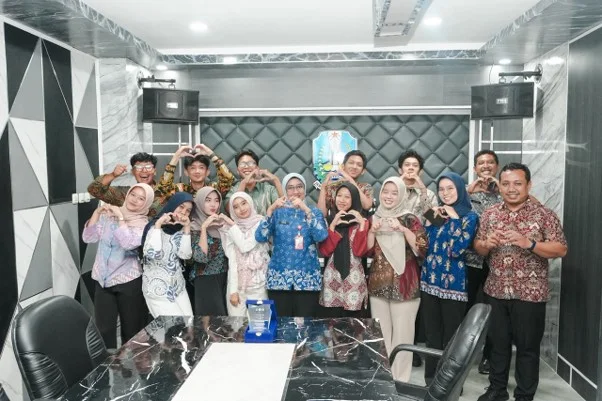
Involving 45 MBKM Internship Students
The implementation of KELIR also involves students through the Merdeka Belajar Kampus Merdeka (MBKM) internship program.
A total of 45 students are participating in an internship program worth 20 Semester Credit Units (SKS), which runs from July to December 2026.
The students are placed in various work units at UPN “Veteran” East Java to be directly involved in archive management activities.
One of the tasks performed is assisting in the collection and uploading of archival documents into the KELIR system.
The involvement of these students is part of a strategy to accelerate archive digitization while providing practical learning experiences in the university work environment.
Through this activity, students not only gain an understanding of administrative and archival processes but also have the opportunity to learn about the application of digital technology in institutional information management.
Meanwhile, for each work unit, the presence of internship students is expected to help accelerate the process of data collection and archive uploading in a more structured manner.
This process is an important stage in building a digital archival database that can be utilized sustainably.
Building an Integrated Administrative Ecosystem
Strengthening official document protocols and developing KELIR are two complementary steps in the administrative transformation process at UPN “Veteran” East Java.
On one hand, the application of official document standards aims to ensure that official documents are managed in an orderly manner from the moment of their creation. On the other hand, the use of AI technology is expected to support more effective information management and retrieval.
The involvement of MBKM students further strengthens this process through direct support for document digitization in various work units.
However, administrative transformation is not just about converting physical documents into digital formats. This process also requires uniform standards, human resource readiness, and good coordination between work units.
Therefore, strengthening the competence of archive managers and developing technology must go hand in hand.
Through these various steps, the Center for Archives, Documentation, and Multimedia of UPN “Veteran” East Java strives to build a modern, integrated, and sustainable archival ecosystem.
Good archive management does not only function to store administrative documents but also plays a role in maintaining institutional memory, providing information needed for decision-making, and supporting the implementation of the Tri Dharma of Higher Education.
By combining the standardization of official document protocols, the development of the AI-based KELIR system, and student participation in the digitization process, UPN “Veteran” East Java continues to strengthen the foundation of professional and accountable university governance.


Comments 0
Write a Comment Share your response