


By: Dr. Fanty Filianovika, Sp.JP(K) Interv., FIHA, FAPSC, FICA (Lecturer at FK UNUSA) and the UNUSA Community Service Team
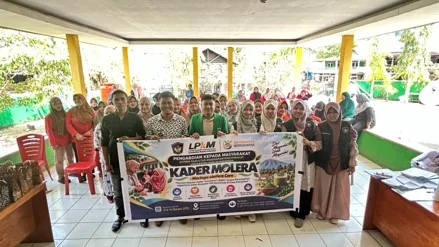
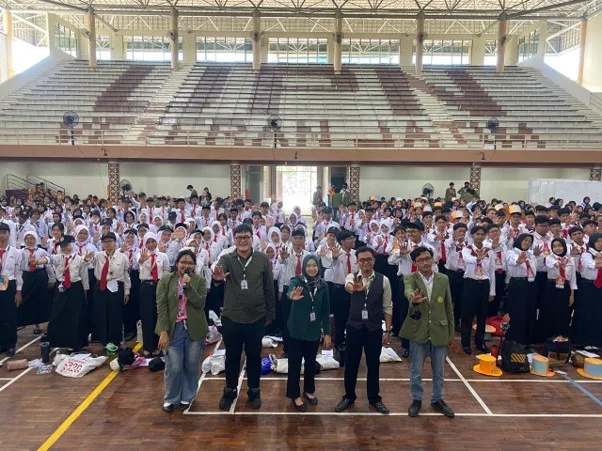
Surabaya, JurnalPost.com – The Faculty of Medicine at Nahdlatul Ulama University of Surabaya (FK UNUSA) has introduced a community service program called VARISEHAT (Varicose Veins: Awareness, Education, and Anticipation) in the Wonocolo District of Surabaya.
This program was implemented to increase public knowledge and awareness regarding the importance of recognizing varicose veins early and understanding the steps necessary to prevent complications.
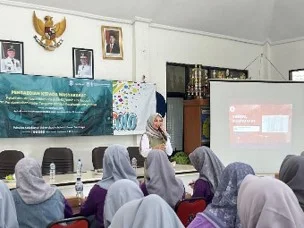
During the event, participants received education through a presentation titled “Are Varicose Veins Dangerous?” delivered by Dr. Fanty Filianovika, Sp.JP(K) Interv., FIHA, FAPSC, FICA, a cardiologist and vascular specialist.
The material covered an introduction to varicose veins, risk factors, warning signs to watch for, and preventive measures that can be applied in daily life.
Understanding Varicose Veins and Their Causes
Varicose veins occur when veins beneath the skin surface become enlarged due to malfunctioning venous valves. This dysfunction causes blood that should return to the heart to become obstructed and pool in specific areas.
This condition most commonly affects the legs. Visibly, varicose veins can be identified by enlarged, bulging, and twisted blood vessels on the skin's surface.
In addition to varicose veins, participants were introduced to the term spider veins, which are small blood vessels that appear on the skin surface resembling a spider web or red to bluish lines.
In her presentation, Dr. Fanty explained that the veins in the legs play a crucial role in carrying blood back to the heart against gravity.
The valves inside the veins help ensure blood continues to flow toward the heart. When these valves are damaged or malfunctioning, blood can flow backward and pool in the legs.
This pooling increases pressure within the blood vessels and, over time, can cause the veins to enlarge.
Recognizing Varicose Vein Risk Factors
The VARISEHAT program also provided the community with an understanding of several factors that increase the risk of developing varicose veins.
Some risk factors are unchangeable, such as aging, gender, and pregnancy. Meanwhile, other factors can be managed through lifestyle changes.
These factors include body weight, physical activity levels, and the habit of standing or sitting for too long.
Therefore, the public is encouraged to stay active and avoid remaining in one position for too long, especially for those whose jobs require intense periods of sitting or standing.
Warning Signs to Watch For
Not all varicose veins cause severe complaints. However, there are several signs that require attention and further examination by healthcare professionals.
VARISEHAT participants were taught to be vigilant about conditions such as bleeding from bulging veins, the appearance of wounds that are difficult to heal, and sudden pain accompanied by swelling and redness.
Changes in skin condition should also be noted, especially if the skin around the varicose area becomes darker, feels hard, or experiences persistent itching.
Recognizing these signs early is considered important so that venous disorders can be treated quickly before they develop into more serious conditions.
Prevention Starts with Daily Activities
Beyond recognizing risk factors and warning signs, participants received explanations on simple steps to help maintain vascular health.
These efforts include regular physical activity, maintaining an ideal body weight, and avoiding sitting or standing for too long.
When resting, the public is also advised to occasionally elevate their legs to help blood flow back toward the heart.
In certain conditions, the use of compression stockings can be an option to help reduce symptoms, but their use should be based on the advice of a healthcare professional.
Improved Participant Understanding
As part of the activity evaluation, the UNUSA Community Service team conducted pre-tests and post-tests for participants to measure changes in their level of understanding before and after the education session.
The evaluation was conducted on 44 participants. The results showed an increase in the average score from 86.1 in the pre-test to 91.4 in the post-test, an increase of approximately 5.2 points.
This improvement indicates that the education provided through the VARISEHAT program successfully enhanced participants' understanding, particularly regarding the identification of varicose veins, risk factors, warning signs, and prevention efforts.
Through this activity, it is hoped that the community will increasingly understand that venous disorders are not just about appearance but can develop into health problems if not recognized and treated appropriately.
Through the VARISEHAT program, FK UNUSA aims to strengthen promotive and preventive approaches in vascular health. Public education is expected to build healthier lifestyle habits while increasing vigilance toward symptoms related to venous disorders.
The public is also encouraged not to ignore emerging symptoms and to seek examination from healthcare professionals if they discover signs pointing to venous disorders.
VARISEHAT: Be Aware of the Risks, Recognize the Signs, Prevent the Complications.







Comments 0
Write a Comment Share your response