

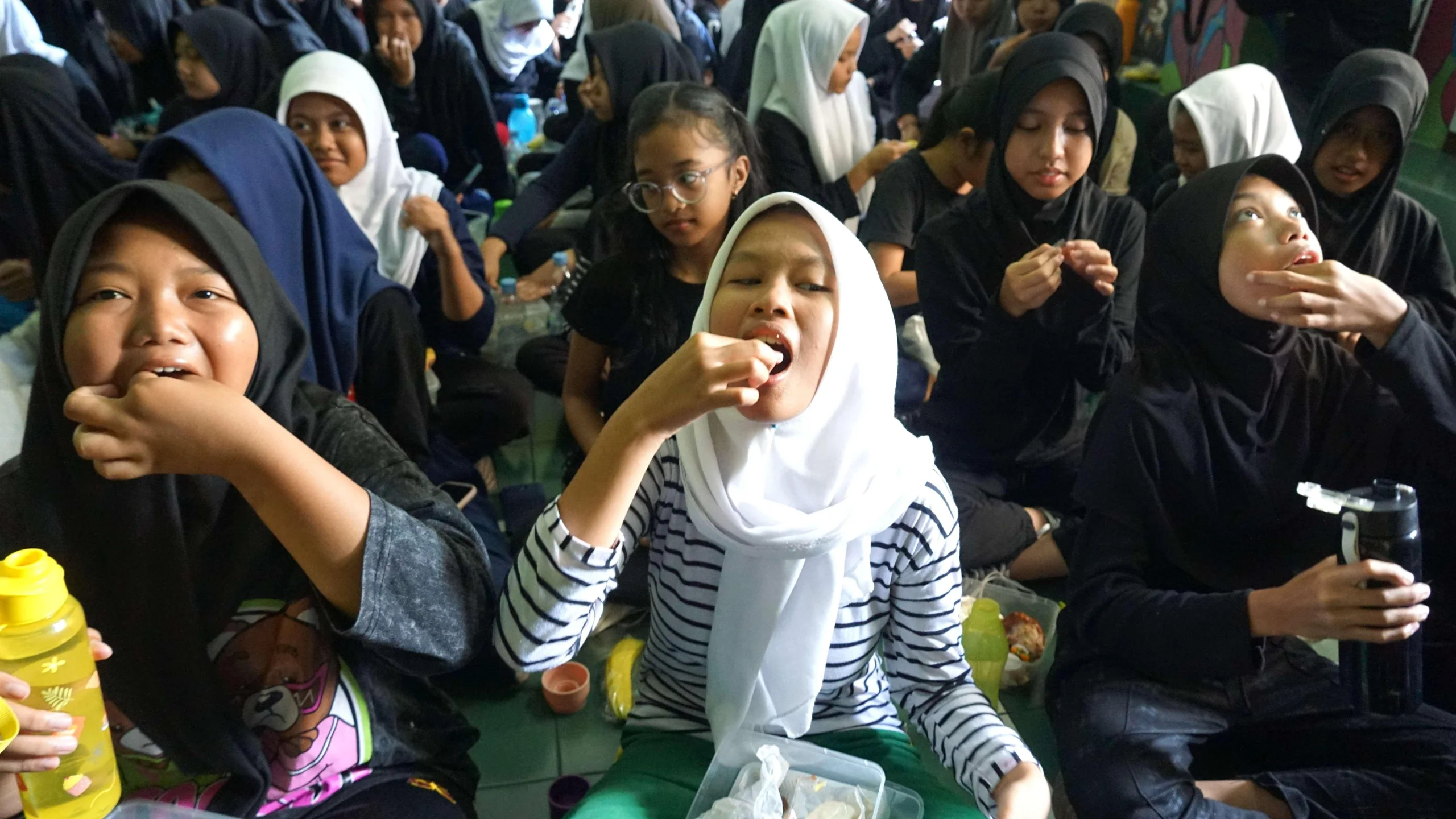
JurnalPost.com — Do you ever feel exhausted despite not engaging in strenuous activity? Or perhaps you find it difficult to concentrate during class? Many teenagers dismiss these conditions as the result of sleep deprivation or an overly busy schedule. In reality, fatigue, lethargy, and difficulty concentrating can be symptoms of anemia, a health issue that warrants serious attention.
Adolescence is a period of rapid growth and development, requiring adequate nutritional intake. Unfortunately, these needs are not always met due to unbalanced diets and daily habits that neglect health.
Furthermore, teenagers face various changes and new demands, ranging from social pressures to academic requirements. Their packed schedules often lead them to overlook their body's needs, including maintaining a healthy diet and meeting daily nutritional requirements.
Without realizing it, these habits can increase the risk of anemia, especially if the intake of iron and other essential nutrients is insufficient.
Anemia as an Adolescent Health Issue
Globally, anemia remains a public health concern that requires serious attention.
According to research by Gardner and Kassebaum (2020), the global prevalence of anemia across all age groups reached 22.8 percent in 2019, a decrease from 27 percent in 1990.
Although the prevalence has declined, the total number of anemia cases has actually increased from 1.42 billion to 1.74 billion during the same period.
This data indicates that anemia remains a public health challenge that must be addressed, including among the adolescent population.
Anemia is a condition where hemoglobin levels in the blood fall below the normal range. Hemoglobin is a protein in red blood cells responsible for transporting oxygen to all body tissues.
When hemoglobin levels drop, the blood's ability to carry oxygen decreases, making the body more prone to fatigue, weakness, and difficulty concentrating (World Health Organization, 2025).
One of the most common causes of anemia is iron deficiency. However, anemia can also be caused by deficiencies in certain vitamins, blood loss, infectious diseases, or other health conditions.
The Influence of Lifestyle on Anemia Risk
In their daily lives, teenagers are often faced with a variety of dense activities, ranging from academic pursuits to social interactions.
This busyness sometimes encourages unhealthy habits, such as staying up late, skipping meals, and consuming excessive amounts of fast food.
The desire to follow trends and the convenience of fast food can also influence daily consumption choices. If these habits persist, they can lead to a failure to meet the body's nutritional needs optimally.
One nutrient that requires particular attention is iron. This mineral plays a crucial role in the formation of hemoglobin, which is responsible for transporting oxygen throughout the body.
Iron deficiency can increase the risk of anemia, especially when dietary intake fails to meet the body's requirements during growth spurts.
Meanwhile, habits like staying up late and sleep deprivation can exacerbate fatigue and impair concentration. However, these conditions do not always indicate that a person has anemia, so medical check-ups remain necessary.
The Importance of Iron and Vitamin C
Iron can be obtained from various food sources. Red meat, fish, and liver are sources of heme iron, while legumes and green leafy vegetables are sources of non-heme iron.
Heme iron is generally more easily absorbed by the body compared to non-heme iron (DeLoughery, 2017).
In addition to monitoring the amount of iron consumed, teenagers should also pay attention to their daily food and beverage combinations.
Consuming plant-based iron sources, such as legumes and green vegetables, alongside fruits rich in vitamin C—like oranges, guavas, and tomatoes—can help improve iron absorption.
Conversely, the habit of drinking tea or coffee during meals can inhibit iron absorption, especially non-heme iron (World Health Organization, 2025).
Therefore, meeting nutritional needs is not only about the quantity of food consumed but also the quality and combination of those foods.
Why Are Adolescent Girls at Higher Risk for Anemia?
The risk of anemia requires special attention among adolescent girls.
In addition to experiencing rapid growth, adolescent girls who have begun menstruating lose blood periodically, meaning their iron requirements tend to be higher than those of adolescent boys.
Blood loss during menstruation, especially if excessive, can increase the risk of iron deficiency and anemia.
This condition can become more severe if not balanced with the consumption of nutritious food and adequate iron intake.
Untreated anemia can disrupt daily activities, reduce the ability to concentrate, and affect the productivity and quality of life of adolescents.
Therefore, education regarding the importance of nutrition and menstrual health needs to be provided early on, whether through the family, school, or healthcare facilities.
Preventing Anemia through Healthy Lifestyle Habits
Efforts to prevent iron-deficiency anemia can begin by building healthy lifestyle habits in daily life.
Some steps that can be taken include:
Consuming a balanced, nutritious diet.
Making a habit of eating breakfast and maintaining a regular meal schedule.
Consuming iron-rich foods.
Meeting vitamin C requirements through fruits and vegetables.
Avoiding the consumption of tea or coffee during meals.
Ensuring adequate rest.
Taking iron supplements for adolescent girls as recommended by the government and health professionals.
Undergoing medical check-ups if experiencing symptoms of anemia.
Checking hemoglobin levels can also help detect anemia early, especially if a person experiences symptoms such as easy fatigue, weakness, paleness, and difficulty concentrating.
Examination by health professionals is important because anemia has various causes that require different treatments.
Building Nutritional Awareness for a Healthy Generation
Anemia is a health issue that should not be ignored. Its impact can affect daily activities, learning concentration, productivity, and the overall quality of life for adolescents.
However, the risk of iron-deficiency anemia can be reduced through simple steps that start with oneself, such as adopting a balanced diet, meeting iron requirements, and paying attention to eating and drinking habits.
The role of family, schools, and health professionals is also crucial in improving nutritional literacy and building adolescent awareness regarding the importance of maintaining health.
By understanding the risk factors and preventive measures for anemia, adolescents can take an active role in maintaining their health from an early age.
Because maintaining health today is a vital step toward building a healthier, more productive, and higher-quality generation in the future.
References
DeLoughery, T. G. (2017). Iron Deficiency Anemia. Medical Clinics of North America, 101(2), 319–332. DOI: 10.1016/j.mcna.2016.09.004.
Gardner, W., & Kassebaum, N. (2020). Global, Regional, and National Prevalence of Anemia and Its Causes in 204 Countries and Territories, 1990–2019. Current Developments in Nutrition, 4, nzaa053_035. DOI: 10.1093/cdn/nzaa053_035.
Walters, D., Kakietek, J., Eberwein, J. D., & Shekar, M. (2017). An Investment Framework for Meeting the Global Nutrition Target for Anemia.
World Health Organization. (2025). Anaemia. WHO Fact Sheets.







Comments 0
Write a Comment Share your response