

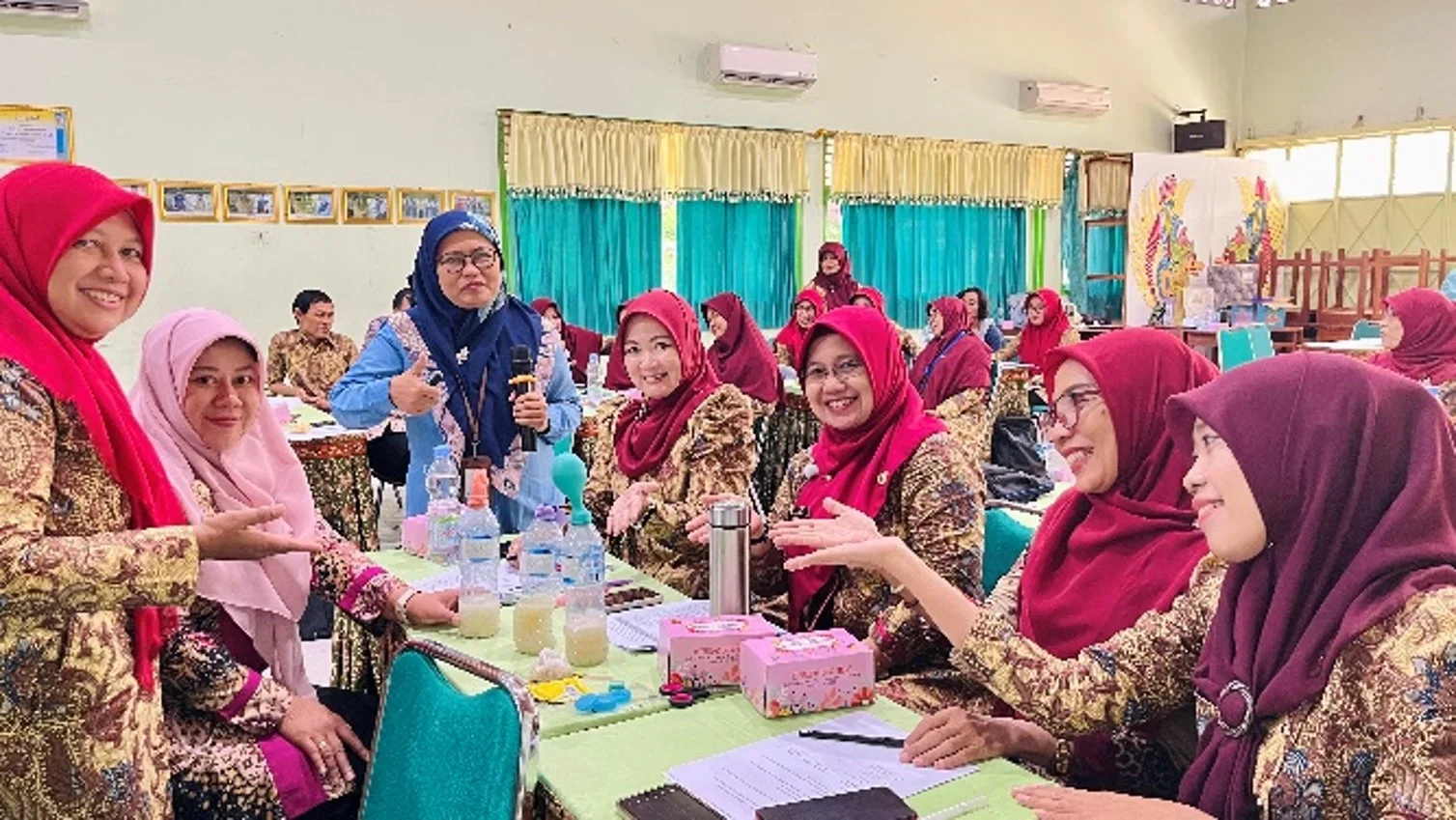
KARANGANYAR, JurnalPost.com – Efforts to improve the quality of science education continue through the strengthening of teacher competencies. One such initiative is the training and practical open classroom sessions, or Open Class , organized by the STEAM Education Research Group of the Faculty of Teacher Training and Education (FKIP) at Universitas Sebelas Maret (UNS) Surakarta.
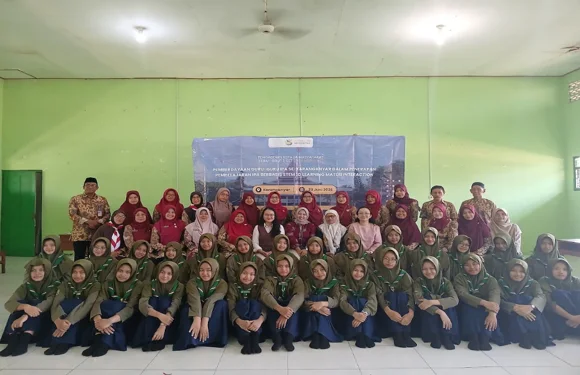
The activity involved teachers from the Science Subject Teacher Forum (MGMP) Pokja 5 in Karanganyar Regency. The program was conducted in two stages: on Tuesday (2/6/2026) at SMP Negeri 2 Karanganyar, and on Friday (28/8/2026) at two partner schools, including the Daarul Arqom Islamic Boarding School for Girls in Karanganyar.
Through the Science, Technology, Engineering, and Mathematics (STEM) approach combined with Three-Dimensional Learning (3D Learning), teachers were encouraged to develop science lessons that are more contextual, interactive, and capable of fostering students' critical thinking skills.
This program is part of a community service initiative supported by the UNS Research Group Grant under contract number 463/UN27.22/PT.01.03/2026.
Strengthening Teacher Competency through STEM 3D Learning
The program was motivated by the challenge of improving students' scientific literacy in Indonesia, as reflected in the results of the 2022 Programme for International Student Assessment (PISA).
Beyond scientific literacy, the team also focused on pedagogical content knowledge (PCK), or the ability of teachers to connect lesson material with appropriate teaching strategies.
In the first stage, 25 science teachers participated in training and workshops discussing the integration of STEM with the 3D Learning approach.
Participants were introduced to the three main dimensions of science learning: scientific and engineering practices, cross-disciplinary concepts, and core disciplinary ideas. These three elements serve as the foundation for designing lessons that emphasize not only concept mastery but also their application in daily life.
The teachers also studied the Claim-Evidence-Reasoning (CER) framework, a method for constructing scientific explanations through statements, evidence, and reasoning.
To support technology-based learning, the team introduced the use of digital platforms such as SageModeler and Concord Activity.
Following the lecture sessions, participants received guidance on drafting science teaching modules on the topic of Interactions, integrating the STEM 3D Learning approach.
The head of the service team, Dr. Novia, M.Pd., explained that the activity was designed based on the needs of teachers to develop teaching strategies aligned with educational advancements.
“This training was designed to address the needs of teachers in developing students' 21-century skills,” said Novia.
According to the team's initial mapping, teachers' understanding of STEM integration, three-dimensional learning, and the use of digital technology still requires strengthening to optimize classroom implementation.
Mapping Results Reveal Potential and Challenges for Science Teachers
In addition to providing materials and mentoring, the team conducted an initial assessment of the participants' understanding.
The results showed that 76 percent of teachers were able to correctly identify the three dimensions in the 3D Learning approach.
Meanwhile, 94 percent of participants understood that the reasoning component is the most challenging part of applying the CER framework.
These findings are significant because the ability to build scientific reasoning is a crucial skill in science education.
Mapping of Technological Pedagogical Content Knowledge (TPACK) also indicated that teacher competence is generally in the good to fair category.
However, several aspects still need development, particularly mastery of digital learning technology, the ability to identify student misconceptions, and teacher readiness to mentor peers.
These initial evaluation results served as the basis for the team to provide follow-up mentoring tailored to the participants' needs.
Open Class Serves as a Space for Practice and Learning Evaluation
After the training, teachers had the opportunity to observe the direct application of the learning tools that had been developed.
In the second stage, two model teachers conducted an Open Class using the STEM 3D Learning module on the topic of Interactions.
During the activity, the model teachers implemented lessons that combined modeling activities, the construction of CER-based scientific explanations, and the reinforcement of cross-disciplinary science concepts.
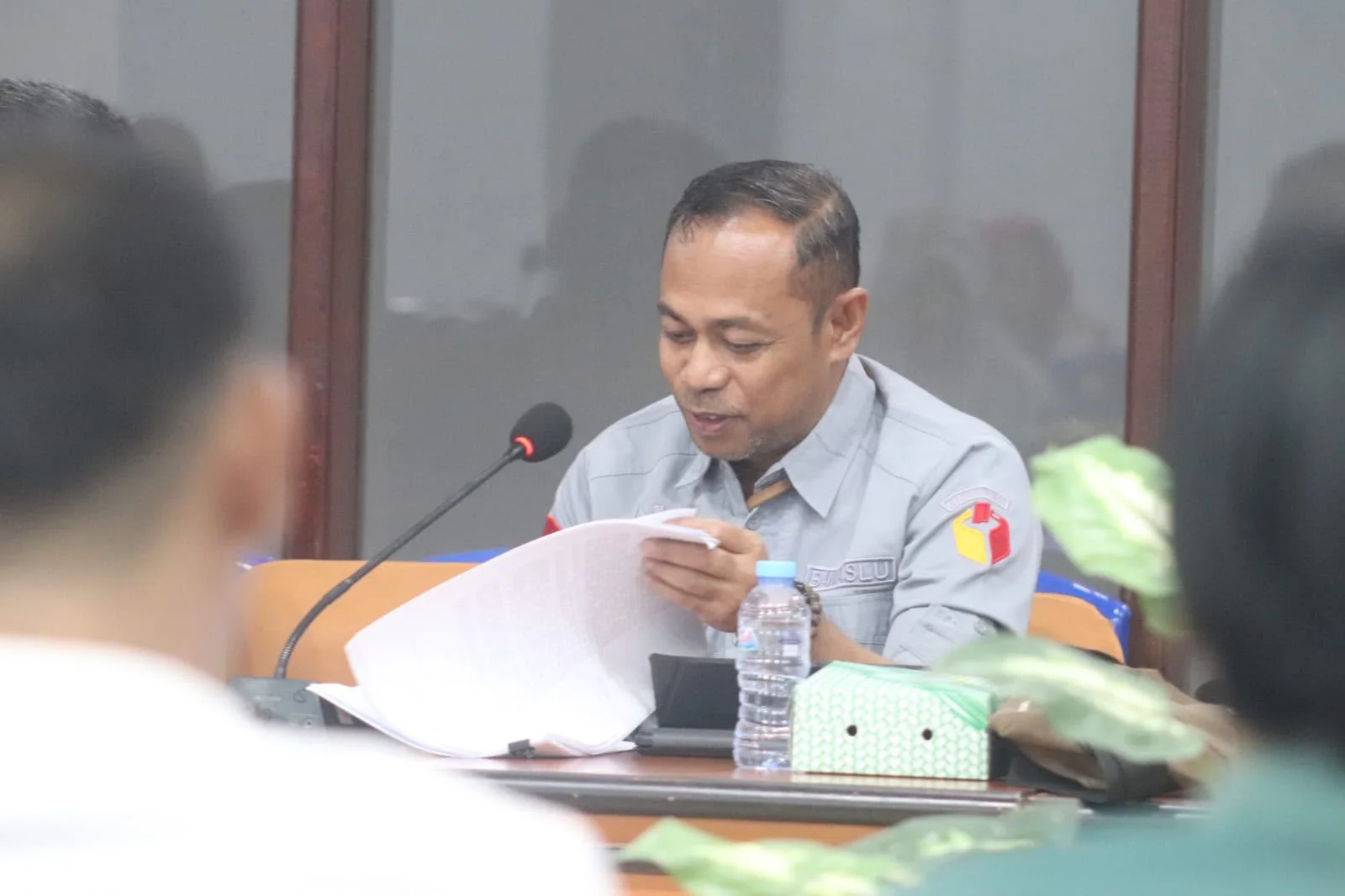
Other participating teachers acted as observers to scrutinize the learning process, student engagement, and the effectiveness of the strategies applied.
Meanwhile, students were asked to complete reflection sheets to evaluate their learning experience.
One of the Open Class sessions took place at the Daarul Arqom Islamic Boarding School for Girls in Karanganyar, involving the female students.
This practice demonstrated the potential for applying STEM 3D Learning in educational environments with different characteristics and facilities.
Each Open Class session was followed by a Focus Group Discussion (FGD). Through this forum, teachers and the team discussed the implementation of the lessons, challenges encountered, and alternative improvements for future learning activities.
The discussion also served as a space for teachers to share experiences in developing more student-centered science learning.
Producing Teaching Modules and CER-Based Evaluation Tools
The series of training sessions and Open Classes resulted in several learning tools that teachers can utilize in their teaching activities.
The products developed include training modules, teaching modules, Student Worksheets (LKPD), and assessment instruments based on Claim-Evidence-Reasoning.
These tools are designed to help teachers develop lessons that encourage students to observe phenomena, collect evidence, construct arguments, and draw scientific conclusions.
The activity concluded with a joint reflection and the symbolic presentation of certificates to the participants.
Although the face-to-face sessions have ended, the service team plans to provide online mentoring to support the sustainable implementation of the training results in schools.
The team will also compile scientific articles and documentation videos as part of disseminating the activity's results.
This collaborative program between FKIP UNS and the MGMP Science Pokja 5 Karanganyar also supports the achievement of the Sustainable Development Goals Sustainable Development Goals (SDGs), specifically SDG 4 on Quality Education and SDG 17 on Partnerships for the Goals.
Through cooperation between universities and teacher communities, it is hoped that learning innovation will not stop at training sessions but can be applied sustainably to improve the quality of science education in schools.


Comments 0
Write a Comment Share your response