

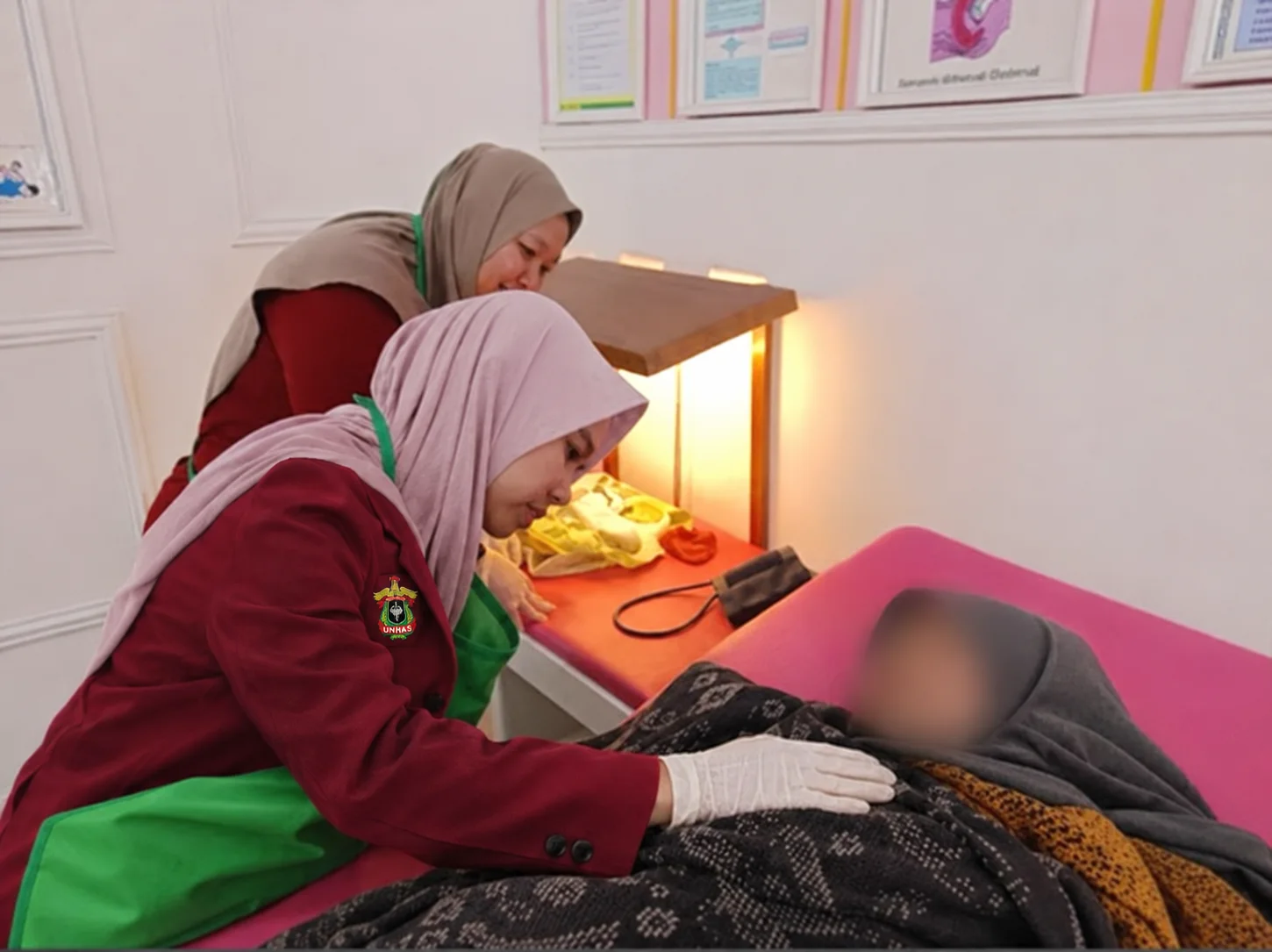
JurnalPost.com - Imagine a small island at two in the morning. The wind is howling, the waves are rising, and no boat dares to cross. In a stilt house, a mother is struggling to give birth. Meanwhile, the only reliable health worker is a village midwife, arriving with her delivery bag and basic equipment.
Under normal circumstances, the presence of a midwife might be sufficient to ensure a safe delivery. However, what if a sudden, severe hemorrhage occurs? What if the mother's blood pressure spikes drastically or the newborn experiences respiratory distress?
In urban areas, such conditions can be handled immediately through better-equipped health facilities. Conversely, for island communities, the journey to a hospital can take hours, or even require waiting for the weather to improve.
This scenario illustrates the vital importance of midwives in island regions. They are not merely health workers assisting in births, but a crucial part of the life-saving system for mothers and infants in hard-to-reach areas.
When Distance Determines Maternal Safety
Indonesia is known as an archipelagic nation with vast maritime territory. This geographical reality is both a source of wealth and a major challenge for the equitable distribution of healthcare, especially for those living on small islands.
The results of the Indonesia Health Survey (SKI) 2023 indicate that approximately 12.6 percent of births in Indonesia occur outside of health facilities. This figure is significantly higher in Maluku Province, reaching 48.4 percent.
This condition shows that access to safe delivery facilities is not yet evenly distributed. For many in island communities, giving birth in a health facility is not just a matter of choice, but also depends on the availability of transportation, travel costs, weather conditions, and distance.
This disparity is also reflected in the maternal mortality rate. Based on the 2025 Inter-Census Population Survey (SUPAS) released by the Central Statistics Agency (BPS), the national maternal mortality rate reached 144 per 100,000 live births.
However, when viewed by region, the gap is quite striking. The Nusa Tenggara, Maluku, and Papua regions recorded a maternal mortality rate of 317 per 100,000 live births. Meanwhile, Java and Bali are at 114 per 100,000 live births.
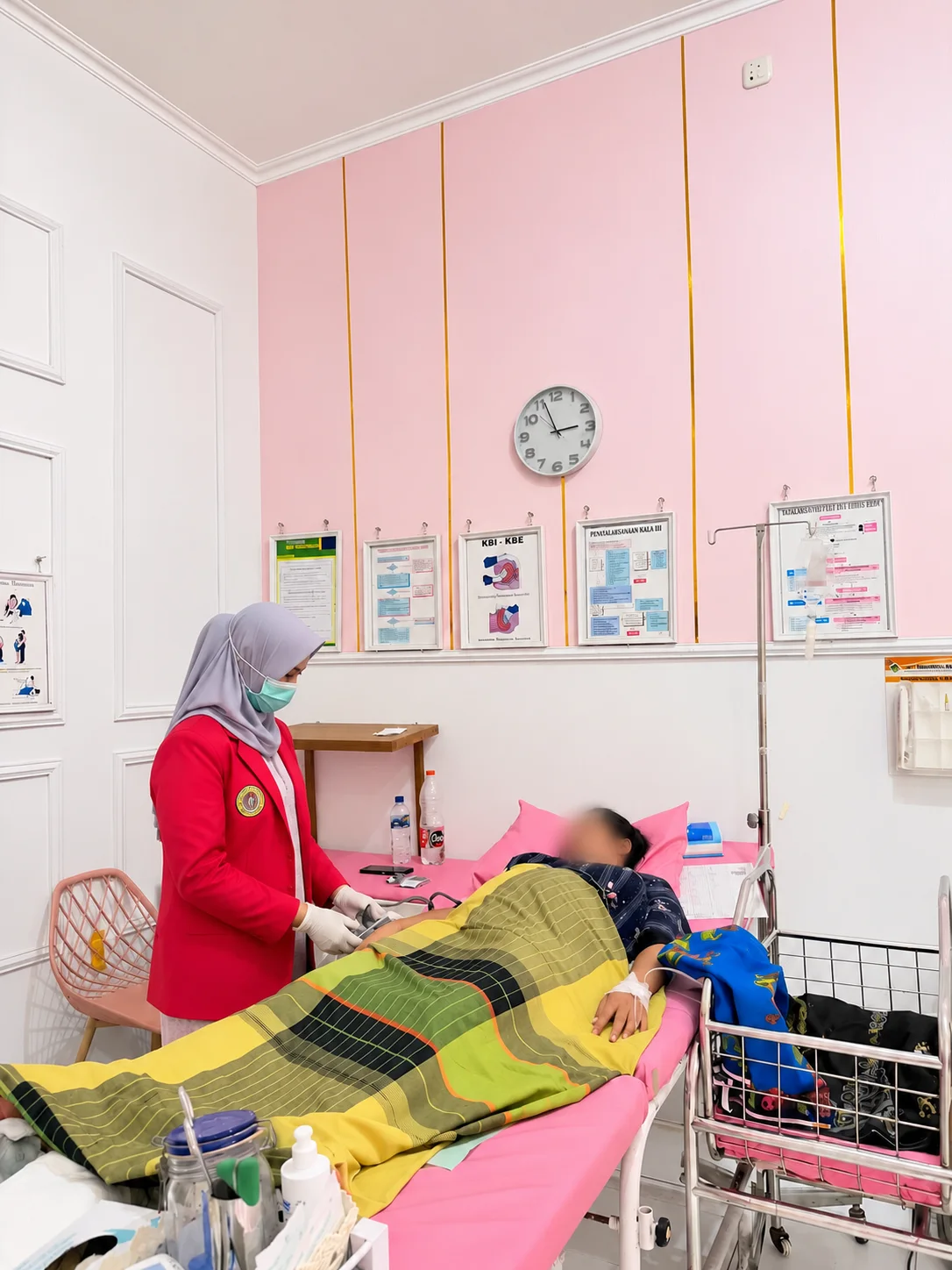
This difference serves as a reminder that a mother's safety during childbirth is still heavily influenced by where she lives.
Hemorrhage, preeclampsia, and various obstetric complications are conditions that require rapid and precise intervention. When health facilities are difficult to reach, delays in recognizing danger signs, making decisions, arranging referrals, or receiving medical treatment can increase the risk of maternal death.
It is in situations like these that the island midwife plays a role that cannot be underestimated.
Island Midwives and the Weight of Responsibility
Being a midwife in an island region presents challenges different from working in urban areas.
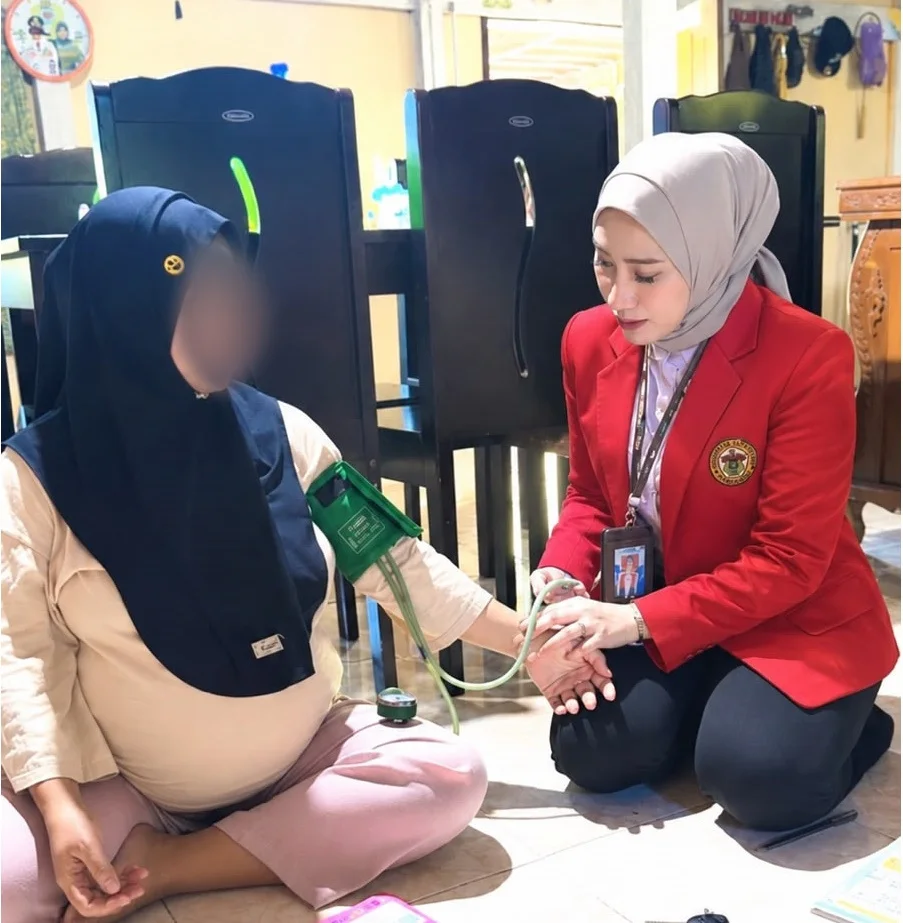
On many small islands, the village midwife is the most accessible health worker for the community. Her responsibilities extend beyond prenatal check-ups and delivery assistance to include maternal and child health services, monitoring infant growth, immunization, family planning services, and public health education.
In a single day, a midwife might have to visit pregnant women at home, provide health services at the integrated healthcare center (Posyandu), and then prepare for a delivery that could happen at any time.
The challenge intensifies during maternal emergencies. Midwives must be able to recognize conditions requiring immediate attention, provide initial aid within their competence and authority, and facilitate referrals to more adequate health facilities.
The problem is that the decision to refer a patient cannot always be executed immediately.
The availability of boats, wave conditions, transportation costs, and the distance to the hospital are factors that can prolong response times. In certain circumstances, midwives must also face shortages of medicine, medical equipment, communication networks, and support from other health workers.
Not to mention personal life issues. Placement on a remote island often means living far from family, facing limited transportation, and adapting to the local social conditions.
This situation shows that the service of an island midwife requires not only clinical skills but also physical endurance, communication abilities, social sensitivity, and readiness to face unpredictable circumstances.
Nevertheless, the magnitude of this responsibility should not be used as an excuse to let midwives work without adequate support.
Strengthening Midwifery Services in Island Regions
Efforts to reduce maternal mortality in island regions cannot be achieved solely by increasing the number of health workers. The government must also ensure that midwives placed in remote areas have the facilities, competence, and support systems that allow them to provide services safely.
The first step is to strengthen basic health service infrastructure, including auxiliary community health centers (Puskesmas) and village-level health facilities. The availability of medicine and maternal and neonatal emergency equipment must be tailored to service capabilities, regional needs, and patient safety standards.
Midwives should not have to face emergencies with inadequate equipment, let alone bear the burden of basic service needs that are the responsibility of the health system.
The second step is to improve competence through regular training and mentoring. Initial management of postpartum hemorrhage, recognition of preeclampsia, newborn resuscitation, and patient stabilization before referral are essential skills that must be continuously updated according to professional standards.
Such training should ideally be accompanied by emergency simulations that account for the real conditions in island regions.
The third step is to build a remote consultation system that connects midwives with doctors and referral facilities. Teleconsultation support can assist in clinical decision-making, although its implementation still requires reliable communication networks and clear procedures.
Furthermore, local governments need to strengthen the sea referral transportation system. Providing sea ambulances, collaborating with local transport providers, and developing maternity waiting homes for high-risk pregnant women can be part of the solution.
Maternity waiting homes are important to consider for regions that require long journeys to reach delivery facilities. With planning from the start of pregnancy, the risk of delays due to bad weather or transportation constraints can be reduced.
Another equally important factor is the welfare of health workers. Incentives for remote areas, work safety guarantees, opportunities for further education, and clear career development paths need serious attention.
Retaining experienced health workers in island regions is just as important as placing new ones.
Maternal Safety Must Not Be Determined by Geography
The issue of midwifery services in island regions is not just about the limited number of health workers. This problem also concerns how the state provides fair public services for all citizens.
A mother living on a remote island has the same right to receive safe pregnancy and delivery services as a mother living in the city center.
That right should not be diminished simply because her home is separated by the sea, the journey to the hospital takes a long time, or the nearest health facility lacks adequate equipment.
On the other hand, the community must also be involved in efforts to safeguard maternal health. Education regarding pregnancy danger signs, the importance of antenatal care, birth planning, and referral transportation readiness must be part of sustainable health services.
Island midwives cannot carry out all these responsibilities alone. They need support from the government, referral health facilities, families, community leaders, and reliable transportation systems.
It is time for the presence of midwives in island regions to be viewed as a strategic necessity in national health development, rather than just a fulfillment of health worker quotas on paper.
Indonesia can be proud of being a maritime nation. However, that pride should also be reflected in the state's ability to protect the lives of mothers and infants even on the furthest islands.
Because behind every safe birth in the remote corners of the archipelago, there is often a midwife working with full responsibility, even when facilities and circumstances are not entirely in her favor.
Island midwives have long guarded life on the frontlines of this nation. Now, what is needed is to ensure they no longer have to struggle alone.
Author Profile
Ummi Hani is a student in the Master of Midwifery Science Program, Graduate School of Hasanuddin University, Makassar. Student ID: P102261003.



Comments 0
Write a Comment Share your response