

PALANGKA RAYA, JurnalPost.com – Social media has brought significant changes to patterns of community interaction. Issues that were once personal can now escalate into public discourse in a short time. This phenomenon is evident in the controversy surrounding a review of the Bika Ambon Ci Mehong product, involving Palangka Raya-based content creator Ernawati, known as Zhe Zhe Galuh, in June 2026.
The controversy began with Zhe Zhe Galuh's post regarding the Bika Ambon Ci Mehong product she purchased at a culinary bazaar at Lippo Plaza Palangka Raya. On Thursday (18/6/2026), the issue became a public focal point after her review video was widely discussed on social media.
In her review, Zhe Zhe Galuh expressed dissatisfaction with the taste of the Bika Ambon, which she claimed tasted sour. The video subsequently went viral and drew various responses from the public.
Some netizens argued that consumers have the right to criticize products they purchase, while others emphasized the importance of delivering criticism wisely to avoid triggering broader issues.
The seller responded by denying that the product was spoiled. According to the seller, the slight sourness is a characteristic of Bika Ambon related to the fermentation process.
These differing perspectives evolved into a debate in the digital space. The issue, which initially concerned food quality assessment, expanded into an exchange of responses, criticisms, and disagreements among social media users.
Social Media and Changing Patterns of Community Interaction
The development of this controversy demonstrates that social media has the power to turn simple issues into topics involving the wider community.
Information shared by an individual can easily spread, be received, and gain various responses from other users. In this context, the public acts not only as observers but also as active participants in shaping public opinion through comments, posts, and various forms of support or criticism.
From a sociological perspective, this phenomenon reveals a shift in social interaction patterns. Interactions that previously took place primarily face-to-face are increasingly developing within a digital space that transcends geographical boundaries.
Social media allows individuals to communicate with many people simultaneously. However, this convenience also presents challenges, especially when messages are subject to differing interpretations.
The absence of face-to-face communication can make it easier for individuals to misunderstand the intent or context of a statement. Consequently, simple disagreements have the potential to escalate into social conflict.
Shaping Public Opinion in the Digital Space
The Bika Ambon review controversy also illustrates how public opinion is formed through interactions between social media users.
The public provides responses based on their own experiences, knowledge, values, and perspectives. Some offered support to the consumer, while others sided with the seller.
In this process, social media becomes a space for the exchange of meaning that can influence public perception of an event or the individuals involved.
This phenomenon can be understood through the perspective of symbolic interactionism, a sociological approach that views humans as assigning meaning to actions or events through the process of social interaction.
A single post can be interpreted differently by each individual. These differences in meaning then generate various responses that help determine the trajectory of an issue.
When public responses are not accompanied by an understanding of the context and adequate information, the digital space can become a breeding ground for prejudice, misunderstanding, and conflict between users.
Customary Mediation and the Value of Belom Bahadat
The controversy, which grew through various posts and responses on social media, eventually drew the attention of several parties in Palangka Raya.
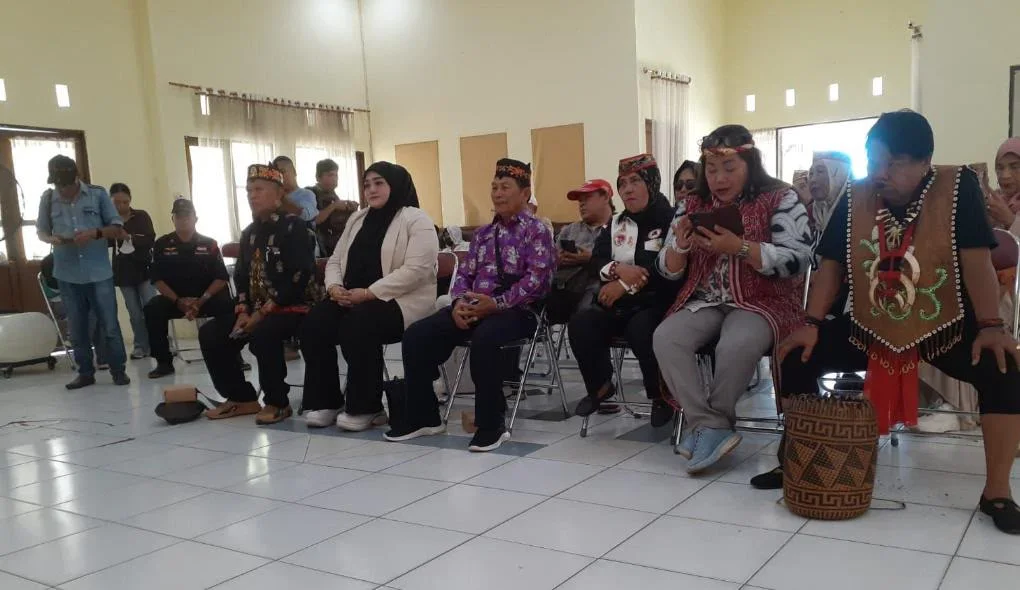
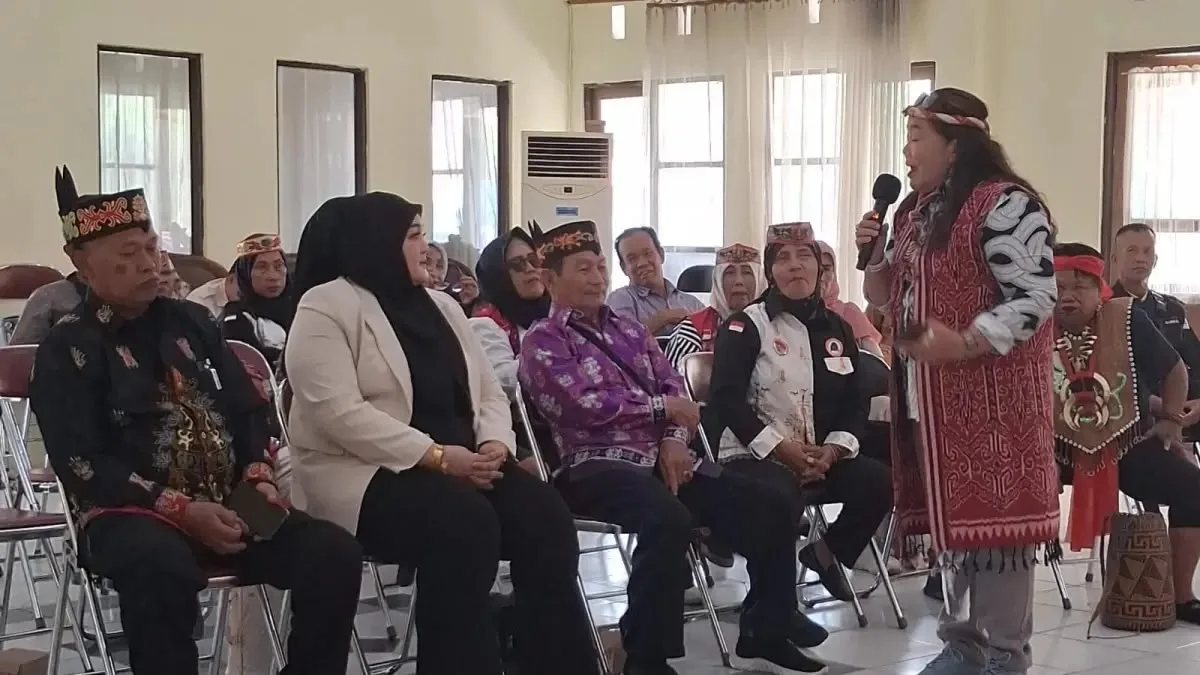
The Dayak Customary Council (DAD) of Palangka Raya, together with the Pahandut Customary Leadership (Kedamangan), facilitated a mediation meeting on Monday (22/6/2026) at the Pahandut District Hall.
The meeting was a follow-up to complaints regarding the social media dispute involving Zhe Zhe Galuh and other parties after the product review controversy escalated.
During the session, Zhe Zhe Galuh was given the opportunity to provide clarification and receive guidance on communication ethics and the application of customary values in community life.
The meeting also served as an educational forum regarding the principle of Belom Bahadat, a philosophy of life for the Dayak community that upholds politeness, respect for others, ethics, and harmony in social life.
As part of efforts to de-escalate the controversy, Zhe Zhe Galuh expressed her willingness to remove posts related to the issue.
From a sociological perspective, the involvement of customary institutions can be understood as a form of social control aimed at maintaining order and harmony in society through dialogue, education, and amicable resolution.
The event also demonstrates that local cultural values remain relevant in addressing social issues arising from the development of digital technology.
Freedom of Expression and Social Responsibility
Social media provides the public with the opportunity to express opinions, including criticism of products or services received.
However, this freedom must be accompanied by social responsibility. Consumers have the right to share their experiences and assessments, while business owners also have the right to provide clarification regarding the criticism received.
Delivering criticism and responses proportionally can help create healthier communication without disregarding the rights of either party.
As social media users, the public also needs to distinguish between personal opinions, individual experiences, and verified information.
A critical attitude toward information is essential so that the public is not easily swayed by narratives that may not accurately reflect the entirety of an issue.
Maintaining Social Harmony Amid Technological Development
The controversy involving Zhe Zhe Galuh serves as a snapshot of the changing social interactions of the Palangka Raya community amidst the development of communication technology.
Social media functions not only as a place to exchange information and express opinions but also as a space for the formation of perceptions, public opinion, solidarity, and even social conflict.
On the other hand, resolution through dialogue and customary mediation shows that technological modernization does not necessarily eliminate the role of local cultural values in community life.
The principle of Belom Bahadat can serve as an ethical foundation for building more harmonious social interactions, including when people communicate via digital media.
Therefore, digital literacy, awareness of communication ethics, and mutual respect must be continuously strengthened. Differences in perspective should be an opportunity to build mutual understanding, rather than a source of discord that damages social relationships.
Thus, technological development can be utilized as a means to strengthen relationships among community members without setting aside cultural values, politeness, and social responsibility in daily life.








Comments 0
Write a Comment Share your response