

JurnalPost.com – The evolution of digital technology has fundamentally transformed how humans communicate, work, learn, and make decisions. The emergence of artificial intelligence or Artificial Intelligence (AI), social media, and various internet-based services have not only provided convenience but also introduced new challenges to human psychological well-being and behavior.
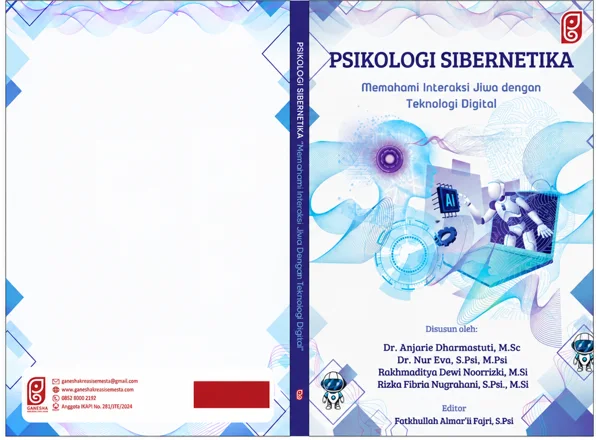
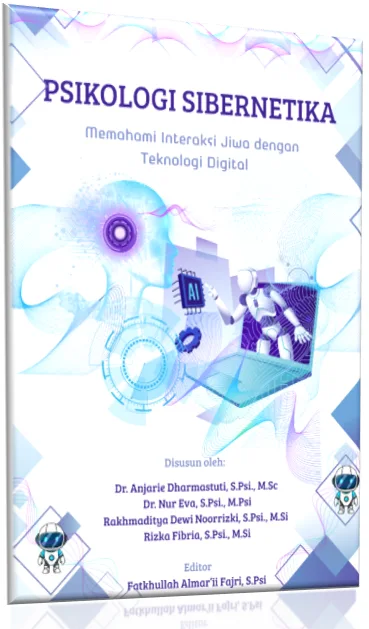
Amidst these shifts, a book titled Cyberpsychology: Understanding the Interaction of the Soul with Digital Technology serves as a reference for understanding the relationship between humans and technology, including how individuals can maintain psychological balance when engaging in various digital activities.
The book, scheduled for release in late November 2026 through PT Ganesha Kreasi Semesta, addresses a range of issues increasingly relevant to daily life, from notification dependency and social media influence to information security and the risks of manipulation via artificial intelligence.
Across 21 chapters, the book invites readers to understand how digital habits are formed, how information influences decision-making, and the extent to which online interactions can impact social and emotional life.
Understanding the Influence of Technology on Human Habits
One of the primary discussions in this book concerns the changes in human behavior resulting from increasingly intensive use of digital devices.
Simple activities such as checking messages, viewing comments, or waiting for responses on social media are linked to an individual's emotional state. The desire for validation, curiosity about the latest information, and the pressure to be constantly available have become part of the digital habits that require understanding.
The book encourages readers to recognize the reasons behind their phone usage habits. By understanding these patterns, individuals are expected to be able to distinguish between essential communication needs and digital activities that can actually be postponed.
Notification management is also a focus. Readers are invited to consider when to provide quick responses and when to set boundaries so that learning, working, and resting are not constantly interrupted.
This approach positions technology as a tool to be used consciously, rather than something that dictates human attention and activity.
Anticipating Digital Fraud and AI-Based Manipulation
Beyond discussing technology usage habits, Cyberpsychology also reviews increasingly complex digital security threats.
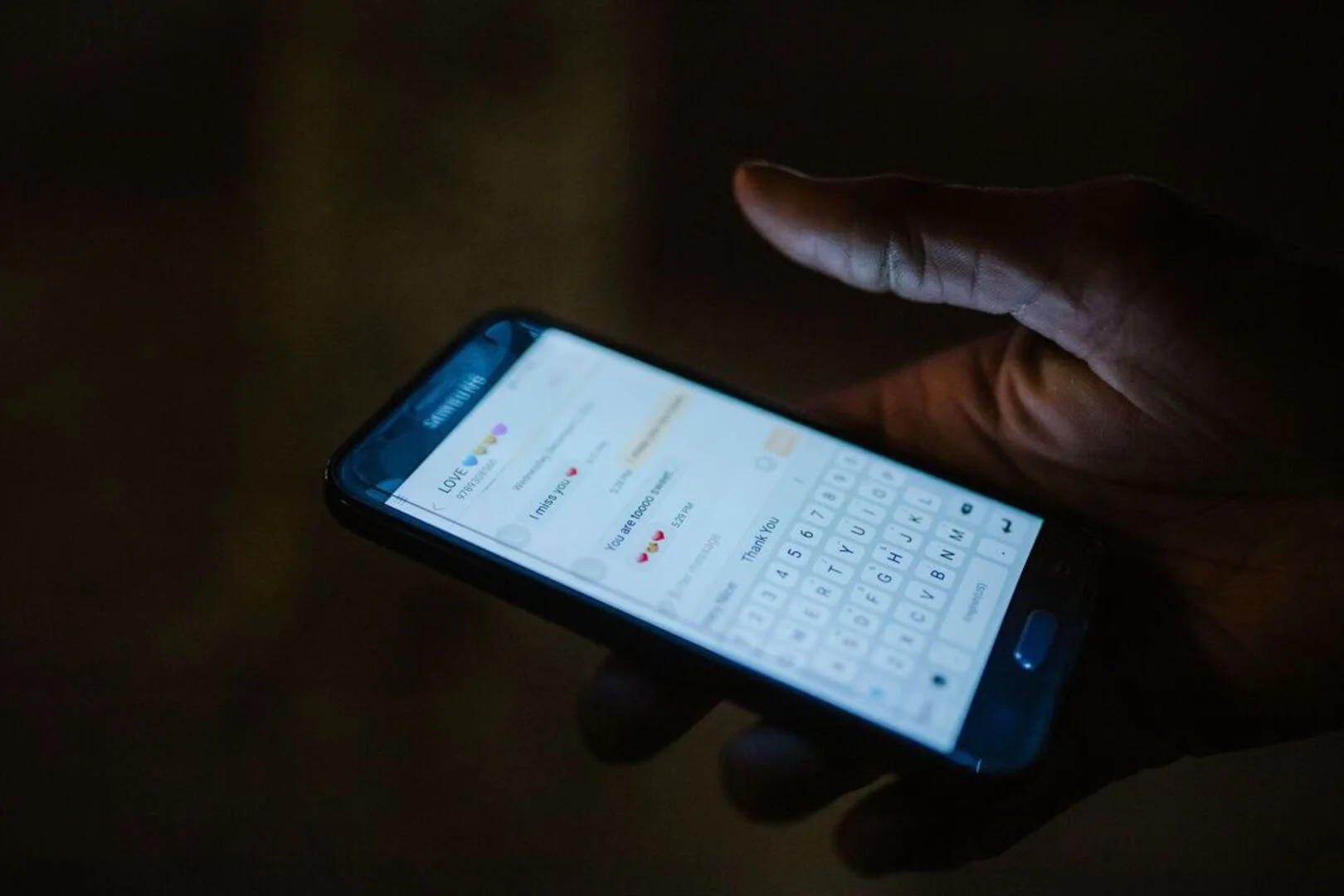
Fraud via text messages, messaging apps, and digital platforms often employs psychological tactics to influence potential victims. Perpetrators may create fear, apply time pressure, or impersonate trusted parties to prompt individuals to make decisions without verification.
Through this discussion, readers are encouraged to be more cautious when receiving messages requesting personal information, financial transactions, or urgent actions.
Simple steps such as verifying the sender's identity, checking the authenticity of information, and confirming through official channels are part of building safer digital habits.
The book also highlights technological advancements that enable the creation of fake images and voices. This capability opens opportunities for identity misuse, necessitating that the public become more critical in evaluating the information they receive.
Regarding the use of generative AI, readers are encouraged not to immediately accept all machine-generated answers as truth. Information produced must still be verified through accountable sources.
Highlighting Emotional Relationships with AI Chatbots
The development of AI-based chatbots has introduced new forms of interaction between humans and technology.
Some users utilize chatbots to seek information, assist with work, brainstorm ideas, and even as a space to share personal experiences.
The book discusses how these interactions can form emotional attachments and influence how one perceives social relationships.
Readers are invited to consider both the benefits and limitations of companion chatbots, especially when technology begins to be used as a means of seeking emotional support.
This discussion emphasizes the importance of understanding the difference between responses generated by computer systems and human-to-human relationships, which involve shared experience, responsibility, and direct social engagement.
Thus, the use of technology can coexist with human needs for communication and support from their surrounding environment.
Combining Psychological Studies with Daily Digital Experience
The strength of this book lies in its effort to connect cyberpsychology and cybernetic concepts with situations frequently encountered by the public.
Various digital phenomena are not only explained through theory but are also linked to case studies and reflection exercises that help readers evaluate their own habits.
In assessing the impact of technology use, the book considers several aspects, such as screen time duration, the purpose of activities, the quality of social relationships, and the potential for disruption to daily activities.
This approach illustrates that the impact of technology cannot always be judged solely by the length of time someone uses a digital device.
The context of use, individual conditions, and social environment are also factors that must be considered.
To facilitate understanding, the book includes a glossary and a bibliography. Its presentation distinguishes between illustrative examples and real-life events, while also paying attention to the limitations of research conclusions.
Relevant for Parents, Educators, and Students
The discussion in Cyberpsychology is not limited to general technology users. The material is also relevant for families, educational settings, and academics.
For parents, the discussion on human development, privacy, and social relationships in the digital space can serve as a basis for building communication with children regarding responsible technology use.
Meanwhile, educators can utilize the case studies and reflection exercises as discussion material regarding AI ethics, digital security, and social media behavior.
Students can also use the discussions in this book as an initial reference to understand digital psychology phenomena while developing research questions.
Other topics covered include cyberbullying, psychosocial support for victims, cybersecurity, and the development of technology-based psychological services.
The book also pays attention to the Indonesian context, including linguistic diversity, family norms, social habits, and differences in technology access.
These considerations are important because an individual's digital experience can differ depending on their social conditions and environment.
Written by Academics and Psychology Observers
The book Cyberpsychology: Understanding the Interaction of the Soul with Digital Technology was compiled by four authors: Dr. Anjarie Dharmastuti, Dr. Nur Eva, Rakhmaditya Dewi Noorrizki, M.Si., and Rizka Fibria Nugrahani, M.Si.
The editing process was handled by Fatkhullah Almar’ii Fajri.
Through this book, the authors strive to present a discussion that connects technological developments with human psychological aspects on a broader scale.
The presence of this book is expected to add to the references for the public who wish to understand technology use critically, especially as artificial intelligence and various forms of digital interaction become increasingly integrated into daily life.
By understanding how technology influences attention, emotions, and decision-making, readers are expected to be able to build healthier, safer, and more responsible digital habits.









Comments 0
Write a Comment Share your response