

JurnalPost.com - Indonesia is more than just a cluster of islands stretching along the equator. It is a Maritime Continent with unique geographical characteristics, where vast oceans meet towering mountain ranges across the archipelago.
Behind the beauty of these landscapes lie significant challenges in ensuring equitable access to healthcare, particularly for pregnant and laboring women. Communities living in coastal and island regions face limited maritime transportation, while those in mountainous areas often contend with steep, rocky terrain and long distances to reach health facilities.
It is in these conditions that community health center (Puskesmas) midwives play a crucial role. Their presence is not merely as healthcare workers assisting in childbirth, but as the frontline guardians of the safety of mothers, infants, and the future of the next generation.
The dedication of midwives in remote areas is an inseparable part of the national effort to reduce the Maternal Mortality Rate (MMR). However, this struggle requires a robust health system, especially in regions with complex geographical barriers.
Navigating Waves and Steep Slopes to Reduce Maternal Mortality
Indonesia's efforts to reduce maternal mortality have shown positive progress. Based on the results of the Long Form Population Census 2020 conducted by the Central Statistics Agency (BPS), Indonesia's MMR was recorded at 189 deaths per 100,000 live births.
This figure represents a decline compared to the results of the Inter-Census Population Survey (SUPAS) 2015, which recorded 305 deaths per 100,000 live births. Meanwhile, the 2010 Population Census results showed a higher figure of 346 deaths per 100,000 live births.
The government has also set an MMR target of 183 per 100,000 live births in the RPJMN 2024. Furthermore, the global Sustainable Development Goals (SDGs) 2030 target aims to reduce the maternal mortality ratio to less than 70 per 100,000 live births.
This decline is a development worthy of appreciation. However, the national figure does not fully reflect the challenges of maternal healthcare in every region of Indonesia.
In coastal areas, small islands, and remote mountains, the safety of pregnant women is not only related to medical treatment for complications such as postpartum hemorrhage, preeclampsia, eclampsia, or infection.
Geographical issues can also exacerbate risks due to delays in recognizing danger signs of pregnancy, making decisions to seek help, reaching health facilities, and obtaining adequate emergency care.
Imagine a pregnant woman on a remote island who needs immediate care when sea waves are high. A similar situation can occur in mountainous regions when the path to the hospital is cut off by landslides or difficult road conditions.
In such circumstances, community midwives act as a vital link between the community, primary healthcare services, and referral hospitals.
The Midwife's Role Extends Beyond the Delivery Room
Public perception of the midwifery profession is sometimes still limited to pregnancy services and childbirth assistance. In reality, modern midwifery practice encompasses continuous care or continuity of care that spans a woman's entire life cycle.
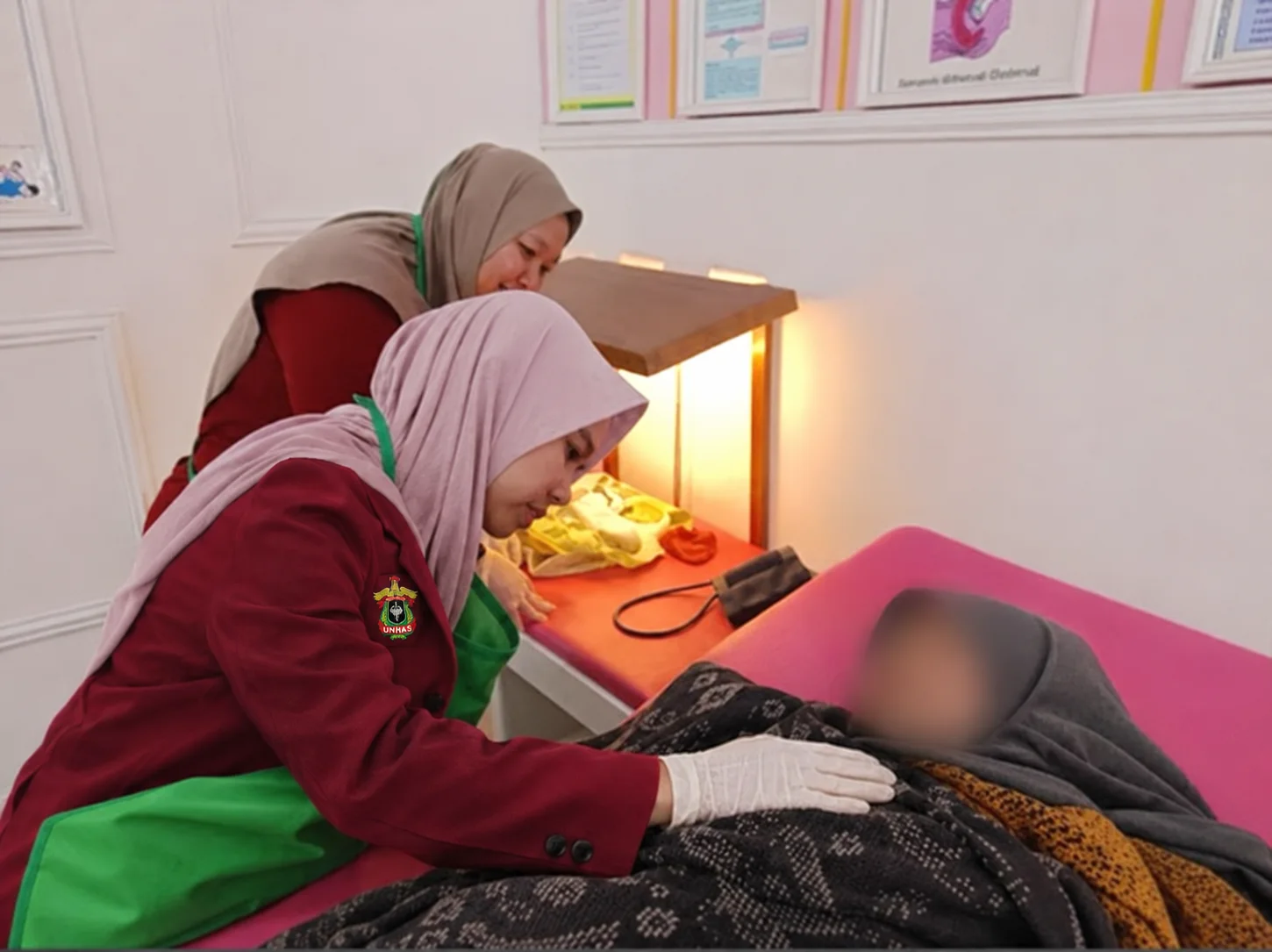
This service begins even before a woman becomes pregnant, continuing through pregnancy, childbirth, the postpartum period, and monitoring the health of both mother and infant.
In both coastal and mountainous regions, there are several essential primary midwifery services that are critical to strengthening public health.
First, improving adolescent health through school-based services.
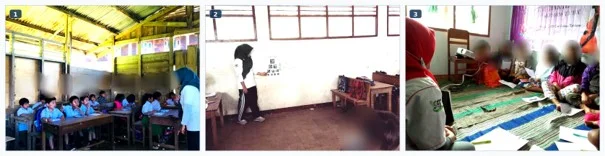
Efforts to prevent maternal health risks should begin in adolescence. Community midwives play a role in school-age health screenings, nutritional status checks, early detection of health problems, and reproductive health education.
Providing Iron Tablets to adolescent girls is also a crucial step in preventing anemia. Untreated anemia can increase the risk of health problems when a woman becomes pregnant.
Therefore, adolescent health services should not be viewed as mere routine activities, but as a long-term investment in building a healthier generation of mothers.
Second, empowering pregnant women through community-based health education.
Prenatal classes are a form of service that allows midwives to provide direct education to the community.
These activities can be held at community health centers, village health posts, or simple meeting rooms available in the community.
Through a communicative approach, midwives can explain the importance of nutritional fulfillment during the 1,000 First Days of Life, regular pregnancy check-ups, fetal movement monitoring, safe delivery preparation, and recognizing pregnancy danger signs.
The involvement of husbands and family members is a vital part of this education. Maternal safety is not determined solely by individual knowledge, but also by the family's readiness to provide support when emergencies occur.
Third, ensuring referral readiness for high-risk pregnant women.
In remote areas, the success of emergency handling often depends on the availability of transportation and coordination between health workers, families, and the community.
Through the Childbirth Planning and Complication Prevention Program (P4K), midwives help families plan the place of delivery, recognize potential complications, and prepare for referral needs.
In island regions, referral transport may require a motorboat. Meanwhile, mountainous areas require vehicles capable of navigating difficult terrain or other forms of transport assistance according to local conditions.
In such situations, midwives do not just perform clinical functions; they also play a role in communication, coordination, and community empowerment to accelerate access to healthcare services.
Strengthening Midwifery Services in Remote Areas
The reduction in maternal mortality is the result of various interrelated efforts, ranging from improving primary healthcare services and strengthening referral systems to the availability of competent health workers.
However, achieving the SDGs 2030 targets requires more significant steps. Indonesia cannot rely solely on sophisticated urban health facilities if communities in remote areas still face difficulties in obtaining basic services.
Appreciation for the dedication of midwives should not stop at calling them unsung heroes.
Concrete policies are needed that address the needs of midwifery personnel, especially those serving in coastal, island, and mountainous regions.
There are at least three areas that need attention to strengthen midwifery services in Indonesia's Maritime Continent.
First, strengthening maternal and neonatal emergency competencies.
Midwives serving in remote areas require periodic training to improve their ability to detect complications, provide initial treatment within their authority, and prepare for rapid referrals.
Competency improvement needs to consider local geographical conditions, including the possibility of transportation delays to hospitals.
Second, providing transportation infrastructure and protection for health workers.
Island regions require maritime transportation support for medical referrals. Meanwhile, mountainous areas require vehicles suited to road and terrain conditions.
In addition to providing facilities, the government needs to pay attention to occupational safety, welfare, and the provision of adequate incentives for health workers in remote areas.
Third, utilizing digital technology in midwifery services.
The development of remote health consultation services or tele-midwifery has the potential to assist health workers in hard-to-reach areas.
With the support of internet networks, appropriate medical devices, and integrated consultation systems, midwives can coordinate with obstetricians and gynecologists at referral facilities.
The use of technologies such as tele-ultrasound and tele-CTG can also be developed according to facility readiness, health worker competence, and patient safety standards.
However, technology cannot replace the need for competent health workers and a well-functioning referral system.
Upholding the Dignity of Midwives, Saving Future Generations
As long as oceans separate the islands of the archipelago and mountainous terrain remains a challenge for health access, the presence of community midwives will remain a vital part of efforts to safeguard mothers and infants.
Every success in reducing maternal mortality should not be understood merely as a statistical achievement in health development reports.
Behind these numbers lie the life of a mother, the hopes of a family, and the future of children who need the presence and love of their parents.
Therefore, strengthening midwifery services in coastal and mountainous regions is not just a responsibility of the health sector, but part of the effort to realize social justice for all Indonesian people.
Valuing the dedication of midwives means ensuring they receive adequate support in terms of competence, facilities, protection, and welfare.
Ultimately, maintaining the dignity and welfare of community midwives is an essential investment to sustain the pulse of life, from the coastal islands to the mountain peaks of Indonesia's Maritime Continent.






Comments 0
Write a Comment Share your response