


JurnalPost.com - When undergoing hospital treatment, patients naturally expect safe care and clear information regarding their condition and the treatment they receive. This is especially true when medication is administered. Providing medication is not just about ensuring it is given on schedule; patients also need to know what the medication is, what it is used for, and why it is necessary.
This can be seen from an experience where a patient was undergoing hospital treatment. When a nurse arrived to administer medication, the patient received no explanation regarding the name of the drug, its purpose, or the reason it was being given. The patient looked at the medication and felt confused about what they were about to take. Consequently, the patient asked the healthcare provider about the medication because they wanted to understand what they were consuming.
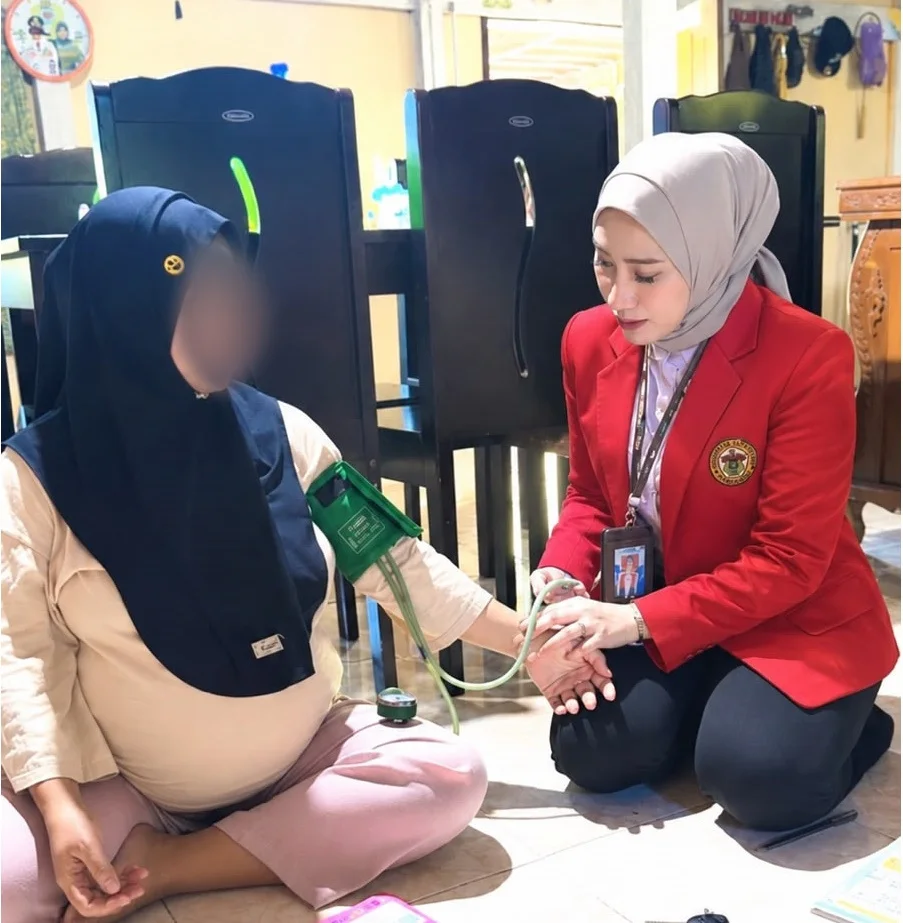
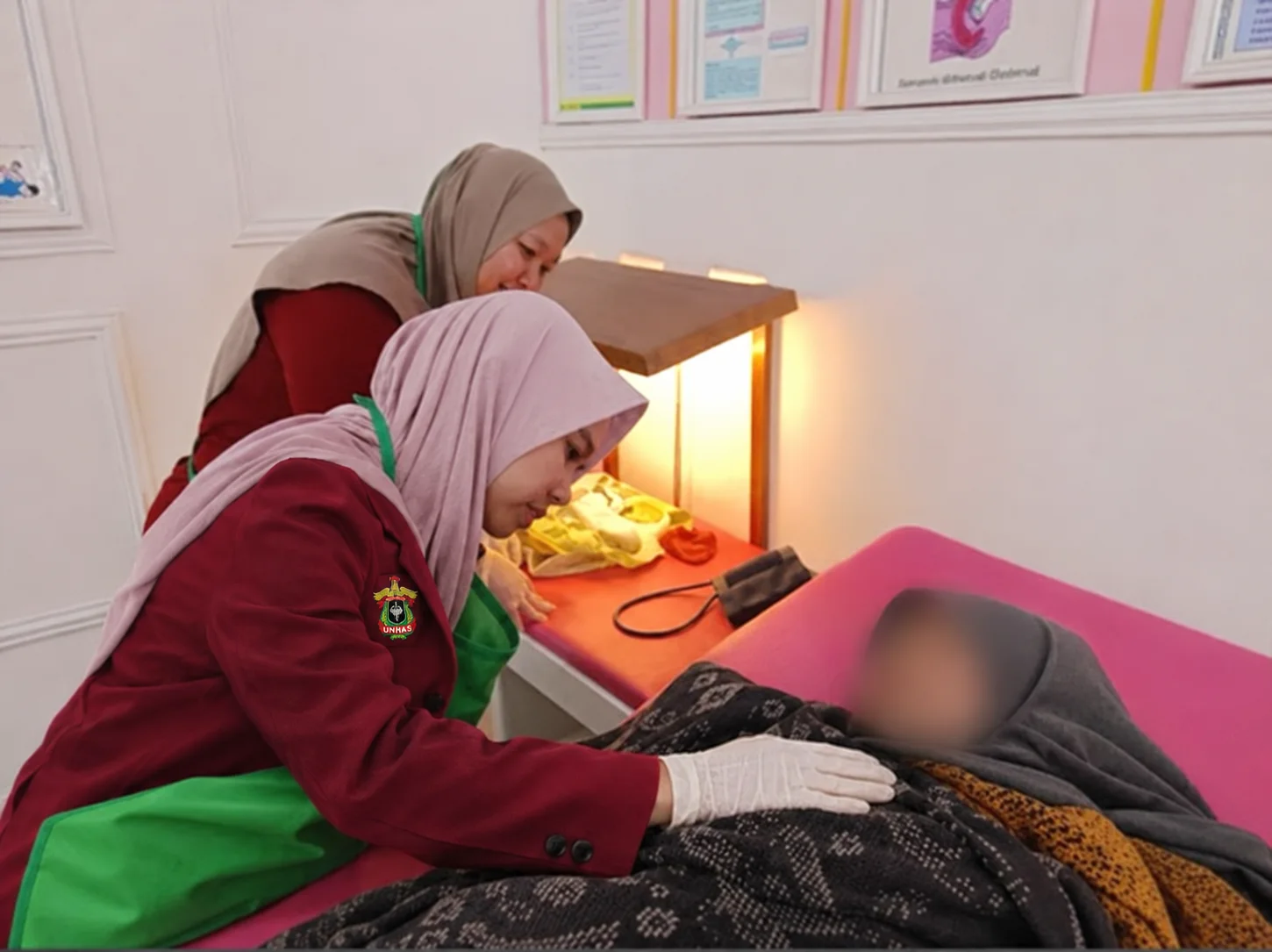
Observing this situation, as a nursing student undergoing clinical practice, I helped answer the patient's questions by providing basic explanations based on my knowledge, while remaining under the guidance of the healthcare staff. The explanation was given in simple language so the patient could more easily understand the medication they were about to take.
After receiving the explanation, the patient better understood the medication provided and its purpose in the treatment process. This incident highlights that what might be considered a simple task by healthcare workers—explaining medication—is actually quite significant for the patient.
Patients fundamentally have the right to receive information about the treatment they are receiving. Such information helps patients understand what is being done to them and provides an opportunity to ask questions if there are things they do not yet understand. When patients are informed about their medication, they can better grasp the treatment process they are undergoing. Therefore, communication between nurses and patients is a crucial part of the medication administration process.
This condition is also related to nursing ethics, particularly the principle of autonomy. This principle means respecting the patient's right to know and be involved in their own care. In this case, the patient has the right to know what medication is being given, its purpose, and why it needs to be consumed. When information is provided clearly, patients can understand their treatment and have the opportunity to ask questions before accepting or taking the medication. When information is provided clearly, patients can understand their treatment and have the opportunity to ask questions before accepting or taking the medication. Fulfilling the patient's right to information is also part of efforts to support medication safety and patient safety, as patients who understand their treatment have the opportunity to ask questions, clarify information, and speak up if something seems incorrect or is not understood.
Beyond ethics, providing information about medication is also linked to patient safety. Patients who do not know what medication they are being given may still have questions or fail to understand the goal of their treatment. Conversely, clear communication gives patients the chance to ask questions and ensure the information they receive is understood. Therefore, the medication administration process should not end once the drug is handed to the patient, but should also ensure that the patient has received sufficient information about it.
However, when patients do not receive sufficient information, the problem does not always lie solely with the nurse. In hospital services, many factors can influence communication with patients, such as workload, staffing levels, inter-staff communication, service procedures, supervision, the work environment, and the hospital's systems and management. This means that safe care requires not only nurses capable of communicating well, but also a hospital environment and system that supports such care.
This shows that fulfilling patient rights and ensuring patient safety is a shared responsibility. Nurses still play a vital role in providing easily understood information, but hospitals must also provide service systems that allow for effective communication with patients. With such support, the provision of information does not depend solely on the condition or busyness of individual healthcare workers.
For patients and their families, asking questions when receiving medication is not wrong. Simple questions like, “What is this medication for?” or “Why do I need to take this?” can actually help patients understand their treatment. Patients should not feel hesitant to ask for an explanation if the information provided is not clear enough. Two-way communication like this can help patients better understand the care they are undergoing.
Ultimately, giving medication to a patient is not just about ensuring the drug reaches the patient and is consumed. There is another equally important aspect: ensuring the patient knows what they are receiving and why the medication is being given. Simple, clear, and open communication can help respect patient rights, increase patient engagement, and support safety during treatment. Patients are not just recipients of medication; they also have the right to know about the treatment they are receiving.







Comments 0
Write a Comment Share your response