Lewati ke konten utama
Home About Us Redaksi Kirim Berita Media Kit
Pedoman
Kebijakan Cookie Pedoman Media Siber Publikasi Media Online Jasa Backlink Jasa Guest Post Penulisan Artikel Pembuatan Website Pedoman AI
ID | EN

Masuk / Gabung

Jelajahi

Beranda Internasional Nasional Daerah Featured Opini Pendidikan
More
Profil Advertorial Bisnis Press Release Essay English Version Ekonomi
Informasi
About Us Redaksi Kirim Berita Media Kit
Pedoman
Kebijakan Cookie Pedoman Media Siber Pedoman AI
Masuk / Gabung
Ikuti kami
EN ARTIKEL
Beranda Internasional Nasional Daerah Featured Opini Pendidikan
More
Profil Advertorial Bisnis Press Release Essay English Version Ekonomi

  1. Beranda
  2. English Version
  3. Sustainable Travel in Indonesia: How Ecotourism Protects Ecosystems

Sustainable Travel in Indonesia: How Ecotourism Protects Ecosystems

Foto profil Hasbi
Editor: Hasbi
27 September 2024, 10.24 WITA Editor: Tim Editor JurnalPost
27 Sep 2024, 10.24 WITA · 7 menit baca
7 menit baca
Sustainable Travel in Indonesia
Author: Taufiq Ihsan, Assistant Professor, Environmental Engineering Department, Universitas Andalas JurnalPost.com - As we celebrate World Tourism Day, it's crucial to recognize the potential of ecotourism to contribute significantly to ecosystem preservation, especially in a country as biodiverse as Indonesia. This article explores the symbiotic relationship between ecotourism and ecosystem health, highlighting Indonesia's rich natural resources, the challenges faced, and the role of national policies and local leadership in harnessing ecotourism's potential for conservation.

The Essence of Ecotourism

Ecotourism, often referred to as responsible travel to natural areas, aims to conserve the environment and improve the well-being of local communities. It emphasizes minimizing negative impacts on ecosystems and promoting sustainable practices. Ecotourism activities typically involve observing wildlife, exploring natural landscapes, and experiencing local cultures in a way that fosters appreciation and respect for the environment. It's about traveling with a conscience, leaving a positive impact on the places we visit, and ensuring that future generations can also enjoy their beauty and wonder. Indonesia, with its vast archipelago, boasts a remarkable array of ecosystems, from lush rainforests teeming with exotic wildlife like orangutans and Komodo dragons to pristine coral reefs harboring a kaleidoscope of marine life. The country's volcanic mountains and mangrove forests further add to its natural allure, making it an ideal destination for ecotourism. This natural wealth attracts travelers from around the globe, eager to experience Indonesia's unique biodiversity and cultural heritage.

Ecotourism's Contribution to Ecosystem Preservation

Ecotourism can play a vital role in ecosystem preservation in several ways:
  1. Financial Support for Conservation: Revenue generated from ecotourism activities, such as park entrance fees, guided tours, and accommodations, can be channeled directly into conservation efforts. This includes funding for park management, anti-poaching patrols, habitat restoration, and research initiatives that help protect endangered species and their habitats.
  2. Raising Awareness and Education: Ecotourism provides opportunities for visitors to learn about the importance of ecosystems, the threats they face, and the actions needed to protect them. Knowledgeable guides can share insights into the delicate balance of the ecosystem and inspire visitors to become advocates for conservation. This increased awareness can foster a sense of responsibility and encourage sustainable behavior even after travelers return home. It can also influence their ecological behavior in their daily lives, promoting more environmentally conscious choices.
  3. Empowering Local Communities: Ecotourism can create economic opportunities for local communities, providing them with incentives to protect their natural resources. By involving local people in tourism operations as guides, homestay providers, or artisans, ecotourism can contribute to poverty alleviation and sustainable development. When communities see the economic benefits of conservation, they are more likely to actively participate in protecting their environment. This sense of ownership and empowerment can lead to more effective conservation efforts.
  4. Promoting Sustainable Practices: Ecotourism encourages the adoption of sustainable practices, such as reducing waste, conserving water and energy, and supporting local businesses. Ecotourism operators can implement eco-friendly measures like using renewable energy sources, minimizing single-use plastics, and sourcing food locally. This helps to minimize the environmental footprint of tourism and promotes a more responsible approach to travel. It also sets an example for other businesses and individuals, inspiring them to adopt more sustainable practices.

Challenges and Opportunities in Indonesia

While ecotourism holds immense promise for ecosystem preservation in Indonesia, several challenges must be addressed:
  1. Balancing Conservation and Development: Striking the right balance between tourism development and environmental protection is crucial. Overdevelopment and unsustainable practices can lead to habitat destruction, pollution, and disturbance of wildlife. It's essential to implement carrying capacity limits and zoning regulations to prevent overcrowding and ensure the long-term health of ecosystems.
  2. Community Engagement and Benefit Sharing: Ensuring that local communities benefit from ecotourism is essential for its long-term success. This involves fair distribution of revenue, participation in decision-making, and capacity building. Local communities should have a voice in how tourism is developed and managed in their areas, and they should receive a fair share of the economic benefits. Transparency and accountability are key to building trust and ensuring that ecotourism truly benefits local people.
  3. Infrastructure and Accessibility: Developing and maintaining adequate infrastructure, while minimizing environmental impact, is critical for supporting ecotourism in remote areas. This includes roads, trails, visitor centers, and waste management facilities. However, it's important to ensure that infrastructure development doesn't encroach on sensitive ecosystems or disrupt local communities. Careful planning and environmental impact assessments are crucial to ensure that infrastructure development is sustainable.
  4. Climate Change and Natural Disasters: Climate change and natural disasters pose significant threats to Indonesia's ecosystems and tourism industry. Rising sea levels, coral bleaching, and extreme weather events can all have devastating impacts. Adaptation and mitigation strategies, such as investing in climate-resilient infrastructure and promoting sustainable land-use practices, are needed to ensure the resilience of both ecosystems and the tourism industry. Ecotourism can also play a role in raising awareness about climate change and its impacts, encouraging visitors to take action to reduce their carbon footprint.


The Role of National Policies and Local Leadership

Indonesia's government has recognized the importance of ecotourism in its national tourism development strategy. The country has established several national parks and protected areas, such as Komodo National Park and Tanjung Puting National Park, and is promoting sustainable tourism practices through certification programs and awareness campaigns. However, further efforts are needed to strengthen regulations, improve enforcement, and ensure effective monitoring of ecotourism activities. Clear guidelines and standards for ecotourism operations, along with regular inspections and enforcement, are essential to prevent unsustainable practices and protect ecosystems. Local leaders play a crucial role in promoting ecotourism and ensuring its benefits reach local communities. By developing and implementing sustainable tourism plans, supporting community-based initiatives, and investing in infrastructure, local leaders can create an enabling environment for ecotourism to thrive. They can also play a key role in educating communities about the importance of conservation and encouraging them to participate in ecotourism activities. Strong leadership and collaboration between government agencies, local communities, and the private sector are essential for realizing the full potential of ecotourism in Indonesia.

Analysis of Ecological Behavior in Indonesia

Understanding the ecological behavior of Indonesians is crucial for developing effective ecotourism strategies. While many Indonesians have a deep respect for nature and their cultural traditions often emphasize living in harmony with the environment, there are also challenges to overcome. Rapid economic development and urbanization have led to increased consumption and waste generation, putting pressure on natural resources. There is also a need to raise awareness about the environmental impacts of unsustainable practices, such as deforestation, illegal wildlife trade, and plastic pollution. Ecotourism can play a role in educating both locals and visitors about these issues and promoting more responsible behavior.

Conclusion

Ecotourism offers a unique opportunity to protect Indonesia's rich natural heritage while promoting sustainable development and empowering local communities. By embracing responsible tourism practices, supporting conservation efforts, and investing in sustainable infrastructure, Indonesia can ensure that its ecosystems thrive for generations to come. On this World Tourism Day, let us celebrate the power of ecotourism to foster a harmonious relationship between humanity and nature. By choosing ecotourism, travelers can contribute to the preservation of Indonesia's natural wonders and support the well-being of local communities. It's a win-win situation for both people and the planet. Indonesia has the potential to become a global leader in ecotourism, showcasing its commitment to sustainable development and inspiring other countries to follow suit. By working together, we can ensure that Indonesia's natural beauty and biodiversity are preserved for future generations to enjoy. Author: Taufiq Ihsan, Assistant Professor, Environmental Engineering Department, Universitas Andalas

Sumber artikel: https://jurnalpost.com/sustainable-travel-in-indonesia-how-ecotourism-protects-ecosystems/72591/

Dicetak dari JurnalPost.com pada 23 November 2026, 19.39 WITA

Bagikan artikel

Bagikan Mengirim Tweet
JURNALPOST SOCIAL PUBLISHER

Posting ke Instagram

Menyiapkan 5 slide Reel 9:16…

Rangkaian slide vertikal sedang disusun dari artikel ini.

Konten belum dapat disiapkan.

Silakan coba kembali.

Pratinjau slide Instagram JurnalPost 1/5
REEL 9:16 · 5 SLIDE

Konten JurnalPost

Lima slide vertikal sudah disusun dalam area aman Reels. Tambahkan musik pilihan Anda setelah masuk ke Instagram.

Menyiapkan lima file gambar 9:16…

Di menu Instagram, pilih Reel, pertahankan urutan 1–5, lalu tambahkan musik yang tersedia di Instagram.

JURNALPOST SOCIAL PUBLISHER

Posting ke TikTok

Menyiapkan 5 slide TikTok 9:16…

Desain Social Publisher sedang disusun dari artikel ini.

Konten TikTok belum dapat disiapkan.

Silakan coba kembali.

Pratinjau slide TikTok JurnalPost 1/5
TIKTOK 9:16 · 5 SLIDE

Konten JurnalPost

Lima slide vertikal sudah disusun: sampul, inti berita, fakta utama, perkembangan, dan baca lengkap.

Menyiapkan lima file gambar 9:16…

Di menu berbagi, pilih TikTok, pertahankan urutan 1–5, lalu tambahkan musik atau suara di aplikasi. Jika TikTok tidak muncul, gunakan unduh manual.

Komentar 0

Tulis Komentar Bagikan tanggapan Anda

Komentar akan tampil setelah disetujui redaksi.

  1. Belum ada komentar. Jadilah yang pertama menyampaikan tanggapan.

Artikel Terkait

Asia's Central Banks Are Quietly Writing the Rules for AI Finance

Your Morning Alarms

Indonesian Red Cross Strengthens Clean Water Assistance as Drought Worsens

PMI Distributes 55,000 Liters of Clean Water to Drought-Hit Sukabumi Residents

REKOMENDASI JURNALPOST

Pilihan Untukmu

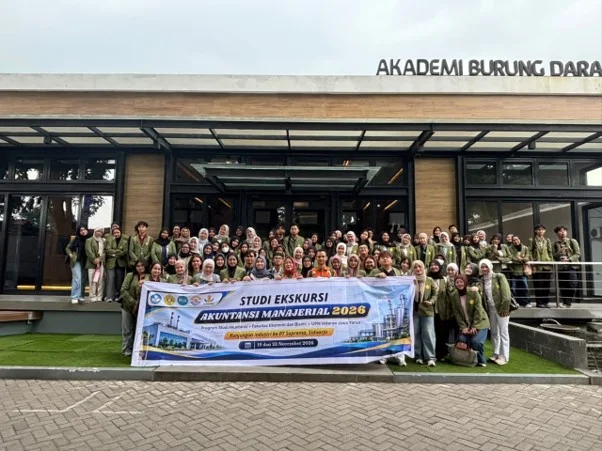
Dari Ruang Kuliah ke Dunia Industri, Mahasiswa Akuntansi UPN Veteran Jatim Kunjungi PT Suprama

Dari Nol Menuju Tumbuh: Merintis Usaha Kecil di Era Digital

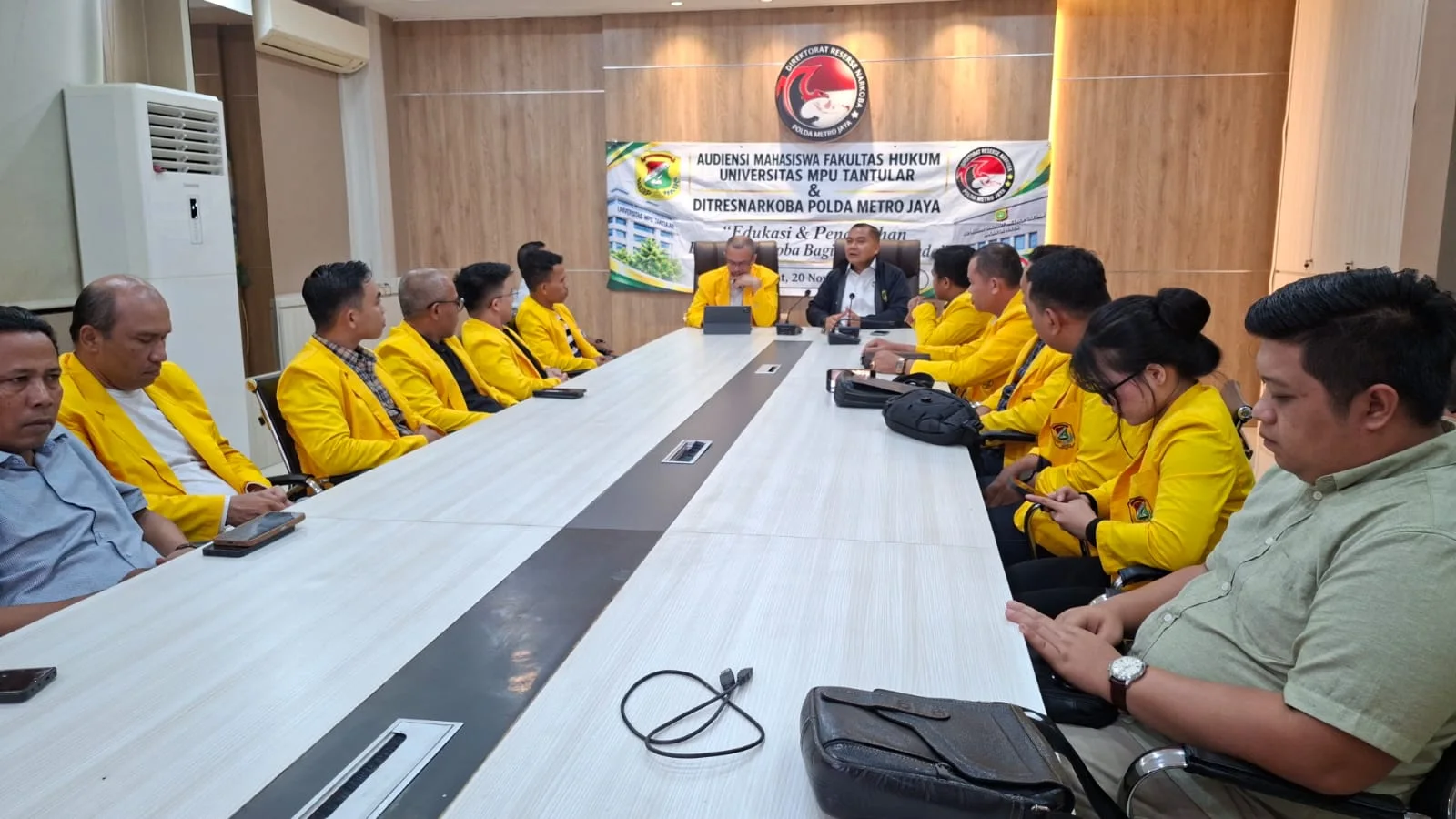
Mahasiswa FH Universitas Mpu Tantular Audiensi dengan Ditresnarkoba Polda Metro Jaya, Perkuat Edukasi dan Pencegahan Bahaya Narkoba

Dukung Peningkatan Kualitas Pendidikan, Dosen Universitas Negeri Malang Hadirkan Buku Learning and Education Performance

Pilihan Editor

  1. 1 Dosen Ilmu Komunikasi UPN Veteran Jawa Timur Dampingi UMKM Kopi Kluncing melalui Literasi Keuangan dan Digital Marketing
  2. 2

    Dari Ruang Kuliah ke Dunia Industri, Mahasiswa Akuntansi UPN Veteran Jatim Kunjungi PT Suprama

  3. 3

    Polmed Dampingi Ibu Rumah Tangga Bane Rintis Usaha Ternak Ayam

  4. 4

    Gen Z Sering Resign Bukan karena Lebay, tapi Lihatlah Dulu Gaya Pimpinannya

  5. 5

    Anak Tumbuh di Era Digital: Apakah Perkembangan Otak Anak Usia Dini Sudah Terstimulasi dengan Tepat?

IKLAN
JurnalPost

Media Publikasi Indonesia yang menyediakan informasi terkini. Situs ini didirikan pada tahun 2015 dan telah menjadi salah satu sumber berita yang populer di Indonesia.

Jelajahi

Advertorial Artikel Berita Bisnis Citizen Reporter Daerah Ekonomi English Version Essay Featured
Hukum Internasional Kolom Opini Nasional Olahraga Pendidikan Politik Profil Teknologi Wisata

Kanal

About Us Jurnalisme Warga Kebijakan Cookie Kebijakan Data Kirim Opini Kirim Tulisan Media Kit Pedoman Redaksi

Ikuti kami di

Facebook X/Twitter Instagram Threads TikTok Pinterest LinkedIn YouTube
© 2026 - PT Jurnal Post Indonesia. All Rights Reserved.