

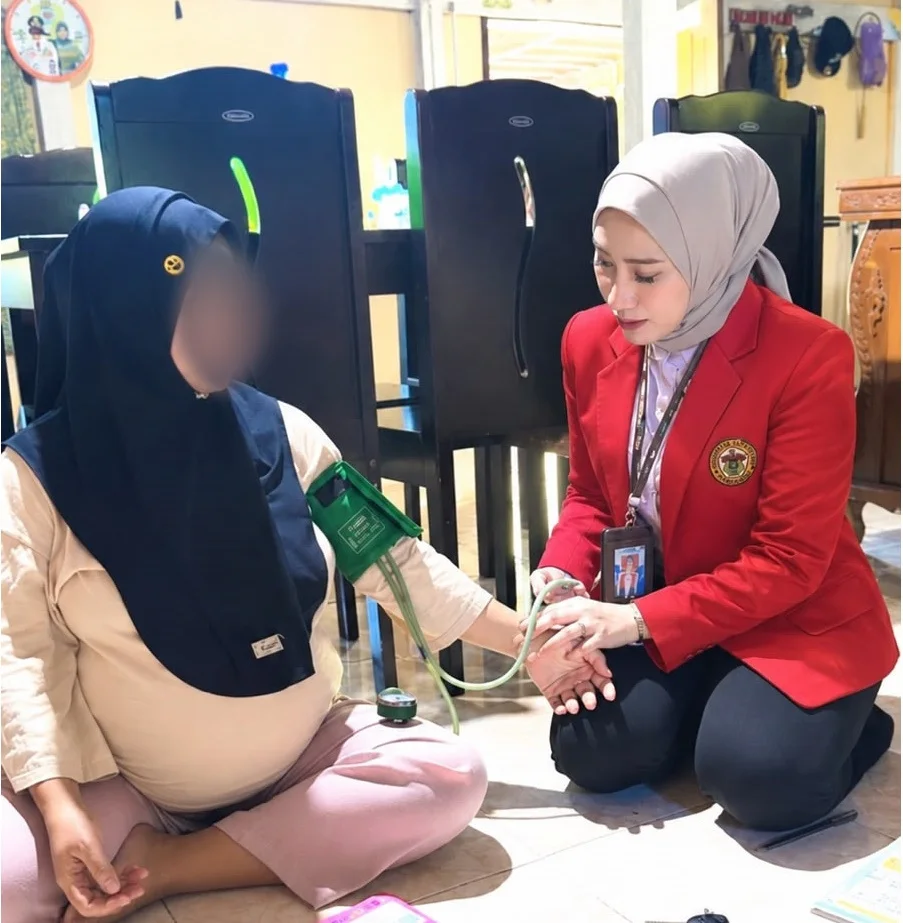
JurnalPost.com Behind every safe birth lies the often-unseen struggle of healthcare workers. Among them are village midwives, figures frequently recognized only as birth attendants, even though their responsibilities extend far beyond the delivery process.
In remote villages, midwives are present long before a mother goes into labor. They serve as companions throughout pregnancy, providing health education, monitoring infant growth and development, and acting as the first point of contact for families facing health issues.
Unfortunately, this role is not fully understood. Some members of the public still view midwives merely as healthcare workers tasked with assisting births. While this perspective is not entirely wrong, it fails to capture the breadth of a midwife's responsibility in safeguarding maternal and child health.
In reality, efforts to save mothers and infants do not begin during labor. Safety is built long before pregnancy through reproductive health services, risk detection, ongoing support, and continuous health education.
Village Midwives Amidst Limited Healthcare Services
Indonesia possesses diverse geographical, social, economic, and cultural characteristics. These conditions mean that public access to healthcare facilities is not uniform.
In urban areas, people can relatively easily reach hospitals or other health facilities. Conversely, for many residents in rural, coastal, and island regions, obtaining healthcare can be a significant challenge.
Long distances, limited transportation, weather conditions, and family economic constraints often affect how quickly someone can receive medical help.
It is in these circumstances that the presence of village midwives becomes vital. They act as the bridge between the community and the healthcare system.
A midwife's duties do not stop at prenatal check-ups. They also perform early detection of risk factors, provide reproductive health education, support mothers postpartum, monitor infant health, and assist in the referral process when health issues requiring further treatment are identified.
However, these significant responsibilities are not always matched by the availability of adequate facilities, support staff, transportation, and referral systems.
This situation should be a shared concern. It is unfair to demand that midwives remain the frontline of healthcare while the systemic support they require remains limited.
Saving Mothers Requires More Than a Medical Approach
Maternal and child health issues cannot be separated from the social life of the community. Education, economy, culture, environment, and family support all influence women's health conditions.
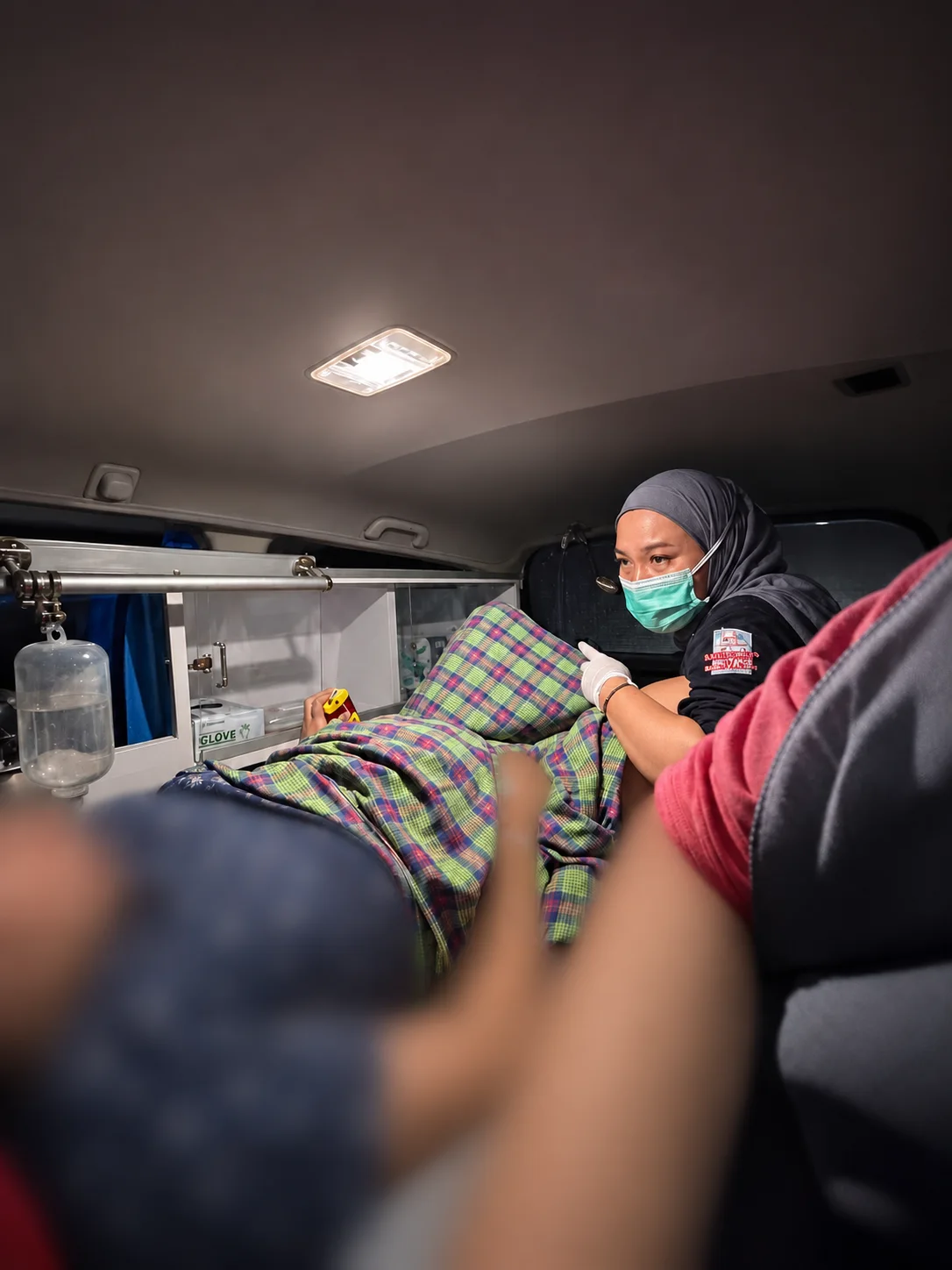
For example, a pregnant woman with anemia does not just need iron supplements. A midwife must also understand whether the mother can access nutritious food, has family support, understands the importance of prenatal care, and has the opportunity to visit health facilities regularly.
Issues that appear medically simple can be linked to much more complex life circumstances.
Therefore, midwifery services must integrate clinical knowledge with an understanding of community life.
From the perspective of the philosophy of science, health knowledge should not stop at examination results and clinical figures. Experiences, values, habits, and the social conditions of the community are also essential parts of understanding health issues.
Midwifery is not just about answering what disease or risk a mother is experiencing, but also why that condition occurred and what approach is most appropriate for the patient's needs.
Thus, midwives are not merely executors of medical procedures. They are professionals who combine scientific knowledge, ethical considerations, communication skills, and compassion for fellow human beings.
Challenges of Midwifery Services in Coastal and Island Regions
As a nation with vast maritime territory, Indonesia faces unique challenges in the equitable distribution of healthcare services.
For communities living in coastal or island areas, access to healthcare can be influenced by sea conditions, the availability of inter-island transportation, the distribution of healthcare workers, and the readiness of referral facilities.
A mother experiencing an emergency needs rapid assistance. However, limited transportation or weather conditions can hinder travel to health facilities capable of providing more comprehensive care.
This situation demonstrates that equitable healthcare cannot be achieved solely through building infrastructure or adding facilities.
A service system that truly considers the geographical characteristics and needs of the local community is required.
Midwives serving in remote areas require support in communication, referral transportation, continuous competency development, and coordination with village governments and various community elements.
Beyond geographical issues, service approaches must also respect local cultural values.
Local habits and beliefs should not be immediately viewed as obstacles. Healthcare workers need to build communication that respects culture while ensuring that every decision prioritizes the safety of the mother and baby.
Advances in health science should bring services closer to the community, rather than creating distance between healthcare workers and those in need of help.
Maternal and Child Safety is a Shared Responsibility
One perspective that needs to be corrected in health development is the assumption that maternal and child safety is entirely the responsibility of healthcare workers.
In reality, the success of midwifery services requires the involvement of many parties, ranging from families and village governments to community leaders, the education sector, and other supporting elements.
Village governments, for instance, can help strengthen the readiness of referral transportation and support community health activities.
Families play a crucial role in ensuring mothers receive nutritious food, undergo regular prenatal check-ups, and obtain help when danger signs appear.
Meanwhile, midwives carry out professional responsibilities through examinations, early detection, education, and service coordination according to their authority.
This collaboration is vital because delays in recognizing danger signs, making decisions, reaching health facilities, or obtaining appropriate care can worsen the condition of the mother and baby.
Therefore, the success of midwifery services should not be measured solely by the number of prenatal check-ups or successful births served.
Success metrics must also include improvements in community knowledge, the family's ability to recognize risks, and the timeliness of obtaining assistance.
Time to Provide Real Support to Village Midwives
The World Health Organization (WHO), through its 2025 midwifery service model guidelines, emphasizes the importance of continuous, woman-centered, evidence-based care that is integrated into the health system.
This approach shows that the relationship between a midwife and a woman should not be merely administrative or limited to medical actions.
This relationship must be built through trust, respect for patient needs, good communication, and ongoing support.
Therefore, strengthening the role of village midwives must be a key part of health development policy.
This attention must be realized through competency improvement, the provision of adequate service facilities, protection for healthcare workers, clarity of authority, and the strengthening of referral systems capable of responding to regional characteristics.
Village midwives cannot continue to be burdened with massive responsibilities without commensurate support.
Ultimately, the success of health development is not measured by the number of health facilities built, but by the ability of the service system to reach the communities that need it most.
Village midwives are not just birth attendants. They are family companions, bridges between science and community life, and a vital part of efforts to save the next generation.
When a mother receives safe, humane, and dignified care, we are effectively safeguarding the future of a nation.
Irmayanti is a healthcare worker serving at the Pancana Community Health Center (Puskesmas), Barru Regency, South Sulawesi. She is currently pursuing a Master's degree in Midwifery at the Postgraduate School of Hasanuddin University. She is dedicated to improving the quality of midwifery services, particularly maternal and child health and strengthening the role of village midwives in community health services.



Comments 0
Write a Comment Share your response