

SURABAYA, JurnalPost.com – The rise of online gambling has drawn the attention of law students from the Faculty of Law at the Universitas Pembangunan Nasional (UPN) Veteran East Java. Through the Sahabat Desa (Village Friends) program, students are working to improve public understanding of the legal risks, economic losses, and social impacts caused by digital gambling activities.
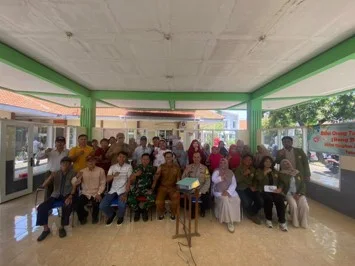
This effort was realized through a socialization event held by Group 3 of the Sahabat Desa program at the Bendul Merisi Village Office, Wonocolo District, Surabaya, on Tuesday (29/9/2026).
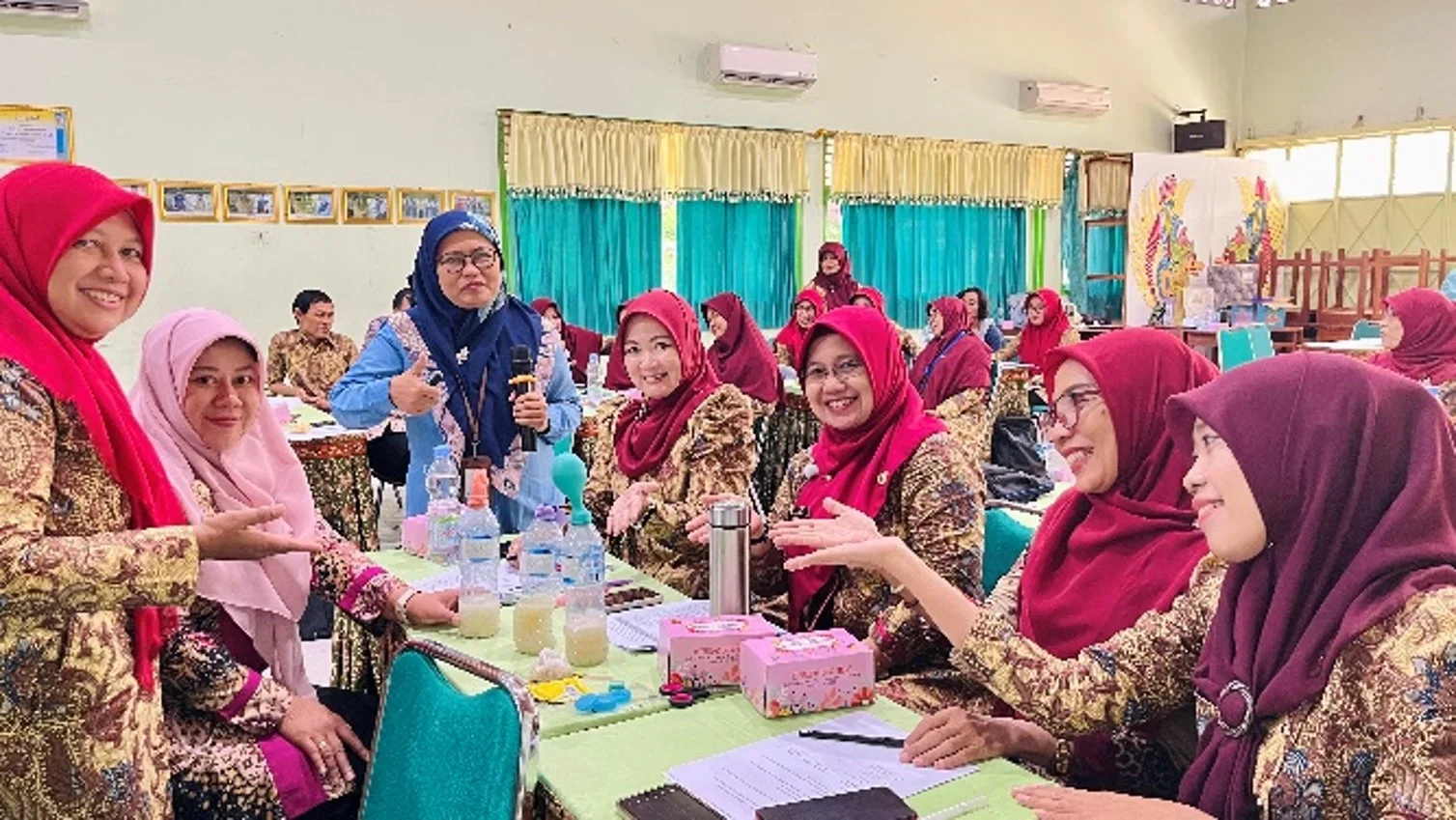
The event, which began at 08.30 WIB, was attended by 30 local residents. In addition to providing education on the dangers of online gambling, often referred to as 'judol,' the session served as a forum for discussion between the community, academics, and students regarding the challenges of eradicating gambling in the digital space.
Residents Equipped with Legal Understanding and Online Gambling Risks
During the event, Group 3 of the Sahabat Desa program presented Kholilur Rahman, S.H., M.H., a lecturer in the Criminal Law Department of the Faculty of Law at UPN Veteran East Java, as the keynote speaker.
Also in attendance were field supervisor Firdaus Ayu Palestina, S.Sos., M.H., and the Head of Bendul Merisi Village, Rully Prasetya Negara, S.STP., M.Si.
In his presentation, Kholilur Rahman reviewed various issues related to online gambling from the perspective of criminal law. He explained that internet-based gambling is not merely an activity that can lead to financial loss, but also carries legal consequences for those involved.
Beyond discussing criminal penalties, he highlighted the impact of gambling on family life and social relationships within the community.
The ease of accessing digital platforms is a major challenge in preventing the spread of online gambling. Therefore, the public needs the ability to recognize gambling activities disguised through various promotions and promises of quick profits.
Legal education is considered essential so that residents not only know that gambling is prohibited but also understand the reasons behind the ban and the consequences of participating.
Blocking Gambling Sites Becomes a Focus for Participants
The discussion session was a highlight for the participants. Residents and community members in attendance took the opportunity to ask questions regarding efforts to handle online gambling.
Babinsa (Village Supervisory Non-Commissioned Officer) for Bendul Merisi, Dewa, for instance, questioned the effectiveness of the site-blocking measures currently implemented by the government.
“Can these online gambling sites simply be deleted permanently so that the public cannot access them again?” he asked.
Responding to the question, Kholilur Rahman explained that eradicating online gambling requires a broader approach than just blocking website addresses.
“Eradication is not enough if it only targets site blocking. While system improvements on those sites are necessary, it must be remembered that closing access is the primary duty of the relevant ministries. Furthermore, the development of online gambling sites is moving very fast,” he explained.
According to him, technological advancements allow gambling sites to constantly evolve and emerge, necessitating continuous efforts to limit public access to these illegal activities.
On the other hand, increasing public awareness is a crucial part of prevention. Without an understanding of the risks of gambling, simply blocking digital access may not be enough to stop someone from trying again.
Kholilur also reminded residents not to be easily tempted by offers of instant profit, which are frequently used to attract new users.
The public is also encouraged to report suspected online gambling practices found in their surroundings through official complaint channels.
Collaboration Between Students, University, and Village Government
Field supervisor Firdaus Ayu Palestina emphasized the importance of student involvement in providing legal education to the community.
Through the Sahabat Desa program, students not only gain experience in community service outside the campus but also have the opportunity to directly understand the social issues faced by residents.
Activities like this serve as a bridge connecting academic knowledge with community needs, particularly in facing the new challenges brought by technological developments.
Meanwhile, the Head of Bendul Merisi Village, Rully Prasetya Negara, welcomed the implementation of the socialization event.
He expressed hope that the information provided would increase residents' vigilance against online gambling practices, especially regarding various offers promising large profits in a short time.
The involvement of the village government in this activity is part of an effort to strengthen cooperation with universities to provide education relevant to community issues.
Encouraging Residents to Use Digital Technology Wisely
For Group 3 of the Sahabat Desa program at the Faculty of Law, UPN Veteran East Java, this socialization event is not just aimed at conveying information about the prohibition of online gambling.
Furthermore, the program is directed toward building public awareness so that people can utilize digital technology safely and responsibly.
Digital literacy is becoming an increasingly necessary skill, given that many community activities now take place online, ranging from communication and financial transactions to information gathering.
With better understanding, it is hoped that the public can recognize the signs of gambling promotions, avoid the risks involved, and know the appropriate steps to take when encountering suspicious activities in the digital space.
Through legal education involving students, academics, and village officials, Group 3 of the Sahabat Desa program at the Faculty of Law, UPN Veteran East Java, hopes that the residents of Bendul Merisi will become more vigilant against the dangers of online gambling.
This activity also serves as a manifestation of the university's contribution to strengthening legal awareness and fostering a community environment that is safer from digital gambling practices.





Comments 0
Write a Comment Share your response