


JurnalPost.com - A community service team from the State University of Surabaya (UNESA) held a workshop on Python programming and AI-based object recognition for high school students in the Probolinggo region. The event, which took place on Monday, July 13, 2026, at SMA Mater Dei Probolinggo, was attended by 20 students from eight different schools, with coordination support from the Probolinggo Physics Subject Teacher Forum (MGMP).
The team, consisting of Dzulkiflih, Endah Rahmawati, Muhimmatul Khoiroh, and Meta Yantidewi, designed the training to introduce students to the fundamentals of programming and the applications of artificial intelligence. Through this activity, participants were encouraged to understand how digital technology functions while gaining hands-on experience in running programs.
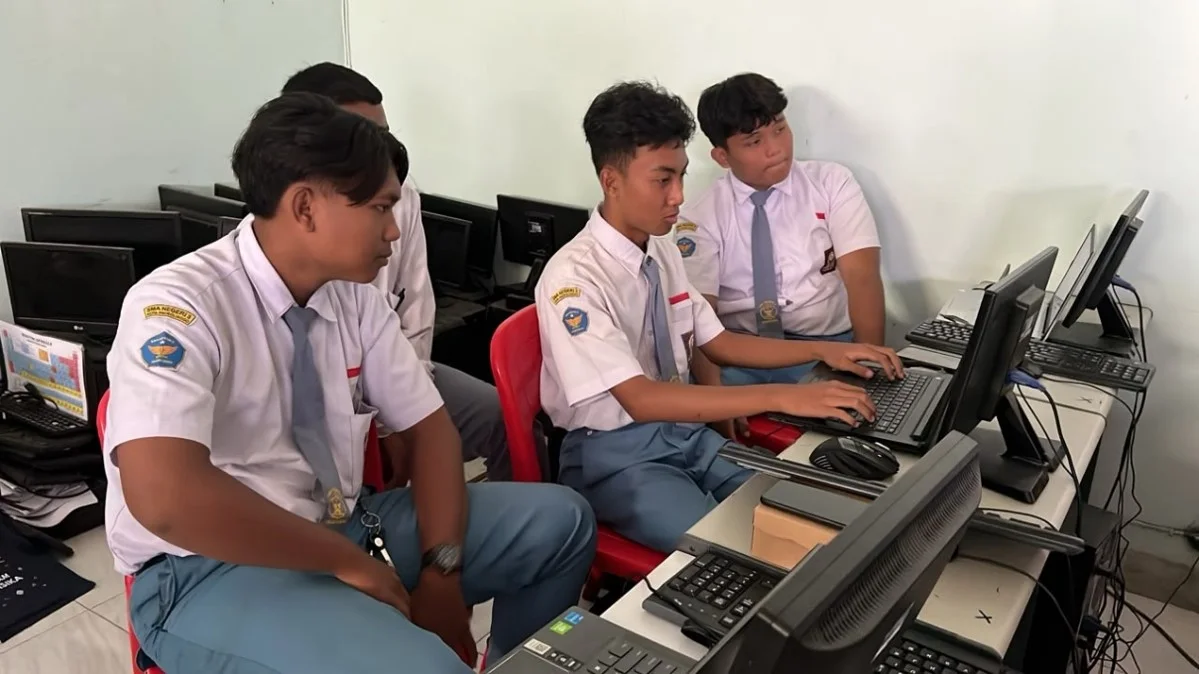
The training was conducted using a learn-by-doing approach. Participants received an introduction to Python basics, concepts of artificial intelligence, and object recognition technology, followed by demonstrations and coding exercises tailored for beginners.
During the practical session, students followed the process of training an object recognition model and tested it using Visual Studio Code and a camera or webcam. Participants were able to see firsthand how the program identified objects captured by the camera and displayed the results on their computer screens. This activity helped students connect programming theory with real-world technological applications.
The training received a positive response from the students. The opportunity to try coding and observe object recognition results in real-time provided an engaging learning experience. The students' enthusiasm was reflected in their feedback, which showed a keen interest in further exploring programming and artificial intelligence.
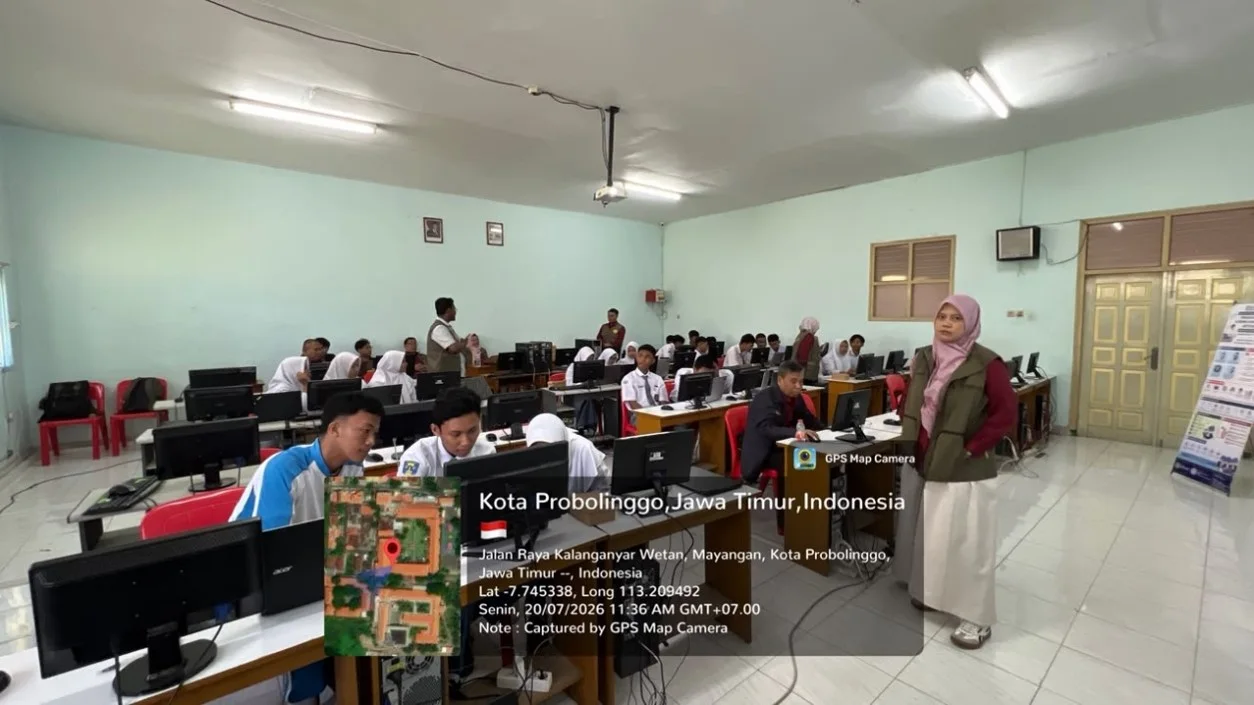
This activity was funded by the Faculty of Mathematics and Natural Sciences (FMIPA) at UNESA, with coordination support provided by the Probolinggo Physics MGMP. This collaboration is part of an effort to expand student access to applied technology education.
Through this training, the UNESA team hopes to foster students' interest in developing digital skills, logical thinking, and problem-solving abilities. The activity also supports the Sustainable Development Goals, specifically SDG 4 on Quality Education and SDG 9 on Industry, Innovation, and Infrastructure.



Comments 0
Write a Comment Share your response