


WONOGIRI, JurnalPost.com — Faculty and students from Diponegoro University (Undip) are implementing an empowerment program for livestock farmers in Nguntoronadi District, Wonogiri Regency, by promoting the use of livestock and agricultural waste to support sustainable food security.
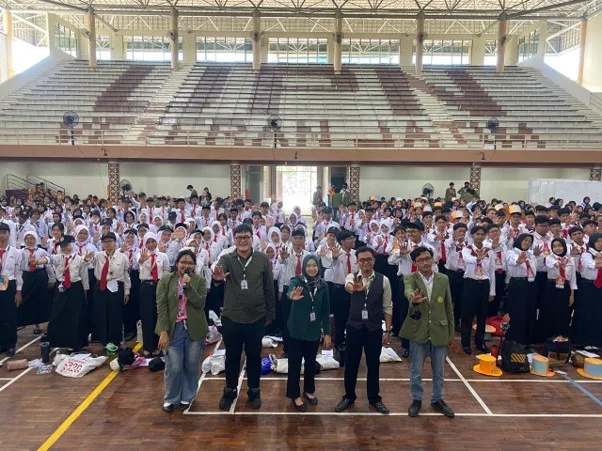
The initiative was carried out across 11 villages during the Community Service Program (KKN) period, from July 9 to August 18, 2026. A total of 108 students were deployed to various villages in Nguntoronadi District to introduce programs integrating agriculture and livestock management.
The program targets farmers, livestock owners, and active members of local livestock groups in the area.
Nguntoronadi is a region in Wonogiri with significant agricultural and livestock potential. Many residents rely on farming for their income while keeping livestock, which often serves as a family asset or savings.
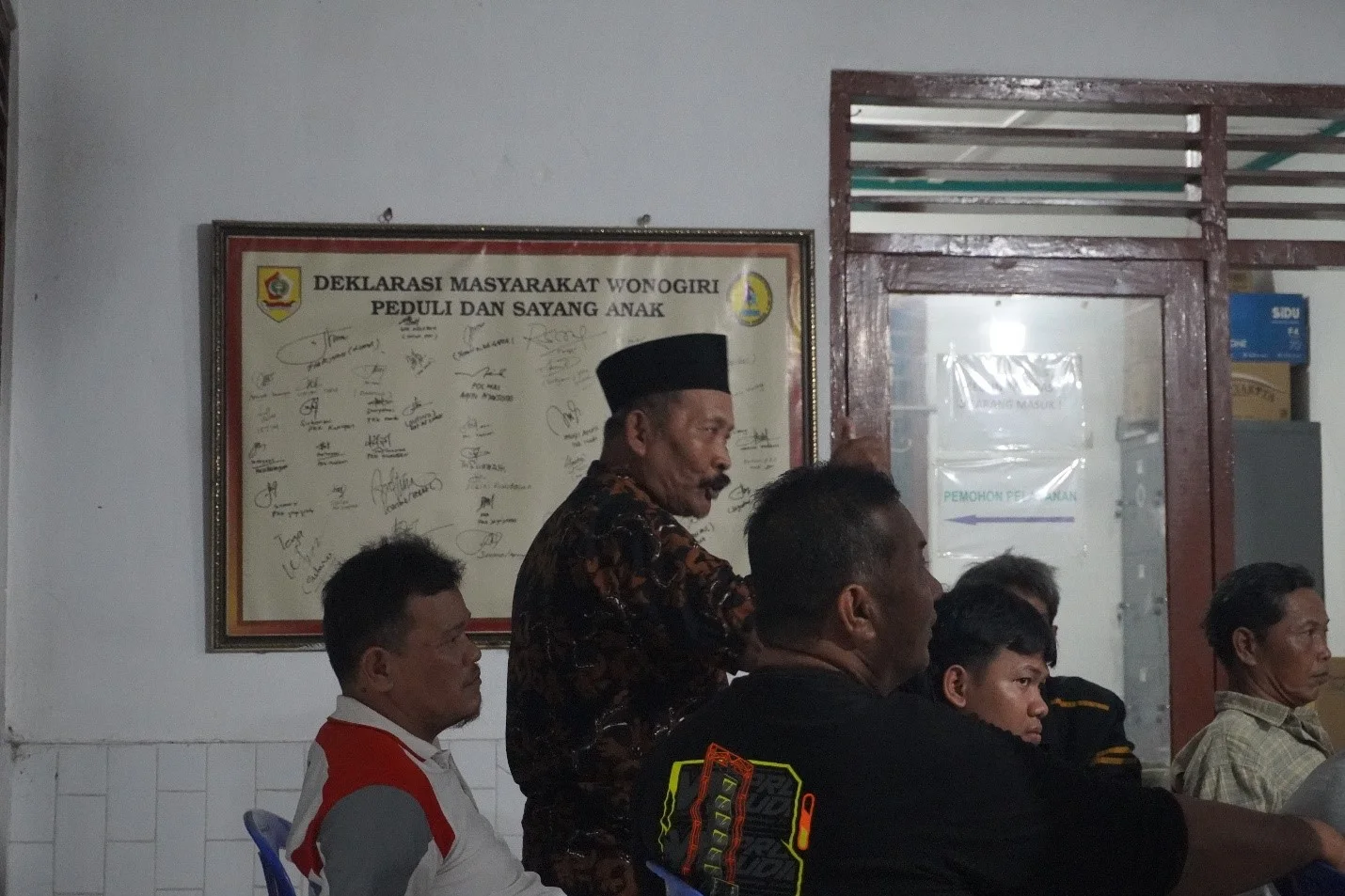
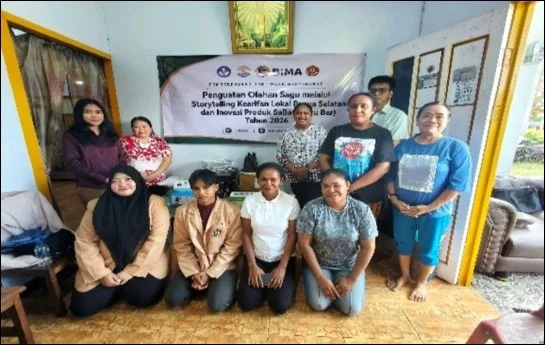
During the sessions held in each village, farmers received training on processing livestock manure into fertilizer that can be reused for agricultural land.
Additionally, students and faculty introduced the use of agricultural waste and food industry byproducts as alternative animal feed.
Brem Waste Shows Potential as Animal Feed
One area of focus was Gebang Village, where several micro, small, and medium enterprises (MSMEs) produce brem (a traditional fermented snack).
The brem production process generates waste that is considered suitable for use as animal feed for both poultry and ruminants, such as cows and goats.
Diponegoro University lecturer, Dr. Dinda Ayu Permata Sari, S.Pt., M.Si.,stated that utilizing local resources and agro-industrial waste can provide an alternative source of animal feed, especially during the dry season.
During this period, the availability of forage in parts of Wonogiri Regency can decrease, leaving farmers in need of alternative feed sources.
According to Dinda, the waste from brem production also contains microorganisms that may support the digestive health of livestock, particularly in ruminants.
Therefore, waste that might otherwise be discarded can be repurposed into valuable resources for farmers.
Promoting the Integration of Agriculture and Livestock
The concept introduced in this program emphasizes the synergy between the livestock and agricultural sectors.
Livestock manure, for instance, can be processed into fertilizer for farmland. Conversely, agricultural residues and certain agro-industrial wastes can be repurposed as animal feed after appropriate processing.
This model is expected to help farmers and livestock owners reduce their reliance on external production inputs while minimizing waste.
Throughout the program, participants were provided with modules to help them understand livestock waste management and the use of alternative feed sources.
A face-to-face approach was chosen to allow farmers to discuss the specific conditions they face in their respective villages directly.
The program is also aligned with the Sustainable Development Goals (SDGs), particularly SDG 2, which focuses on ending hunger and strengthening food security.
Dinda hopes that the knowledge shared during the program will continue to be applied by livestock groups in Nguntoronadi District long after the KKN period concludes.
Utilizing local waste is considered a viable approach for further development, especially in areas where agriculture, livestock, and home-based food industries are closely linked.
With proper management, previously unused waste can be reintegrated into the production cycle, serving as both fertilizer for crops and alternative feed for livestock.



Comments 0
Write a Comment Share your response