

JurnalPost.com - The tourism industry is constantly evolving in response to shifting traveler interests and needs. While tourism previously focused heavily on visiting popular destinations, there is now a growing trend toward seeking experiences that are more personal, meaningful, and aligned with individual interests. One concept gaining traction to meet this demand is Special Interest Tourism or niche tourism.
Special interest tourism is a form of travel developed around specific hobbies, interests, and passions. This concept has gained attention as a response to mass tourismmass tourismwhich, in some cases, can place significant pressure on the environment and local communities.
Unlike conventional tourism, special interest tourism offers highly specialized activities targeting relatively small market segments, also known as niche marketsegments. The experiences offered are not merely for entertainment but also emphasize knowledge, skill-building, and emotional engagement.
Shifting Traveler Preferences and the Walking Tour Phenomenon
Changing travel preferences are increasingly evident, particularly among the younger generation. Many travelers are now drawn to activities that offer distinct, unique experiences and provide added value compared to standard tourist visits.
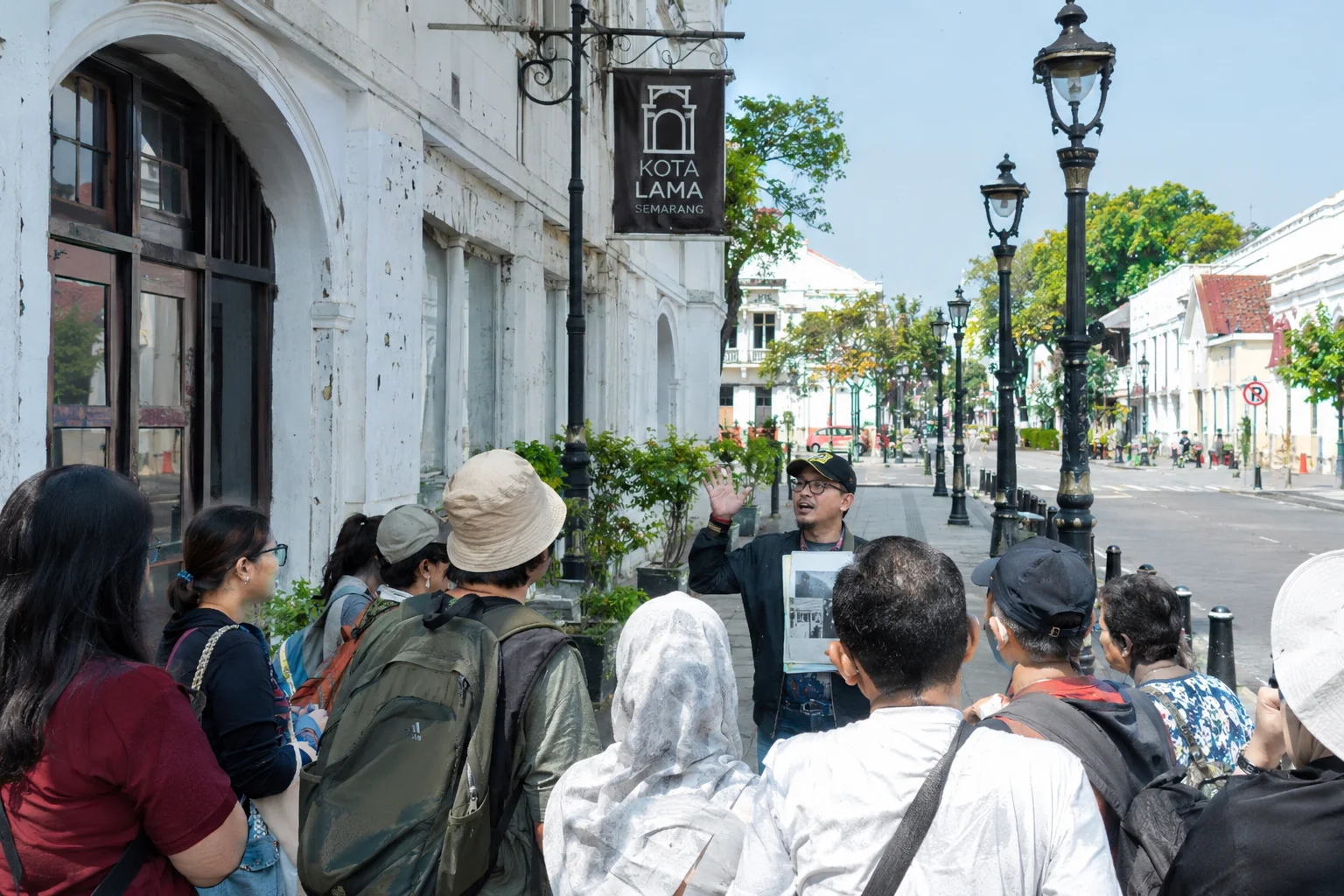
One example of special interest tourism that is becoming increasingly well-known is the walking tour, a travel activity involving walking through a series of pre-determined locations based on a specific theme.
In practice, organizers typically curate routes based on themes they wish to introduce to participants. These themes can range from the history of national heroes and industrial heritage sites to Dutch colonial cultural relics or the traces of Chinese and Arab cultural development.
Such tourism products can be found in several major cities in Indonesia, including Surabaya, Semarang, and Jakarta.
The uniqueness of a walking tour lies in the experience gained by the traveler. Beyond enjoying the city atmosphere while engaging in physical activity, participants also gain knowledge about history, culture, architecture, and the various stories behind the locations visited.
These activities are generally conducted in small groups, allowing for more intense interaction between participants and the tour guide. This creates a more personal atmosphere that facilitates the exchange of experiences and knowledge.
Potential for Developing Special Interest Tourism in Urban Areas
The question that arises is how many special interest tourism products can actually be developed within a city?
Essentially, every city possesses diverse potential resources, ranging from natural wealth, historical buildings, and local culture to culinary scenes, economic activities, and daily social life.
These various potentials can be developed into special interest tourism products if packaged creatively and tailored to the characteristics of the target travelers.
For example, tourism activities can be developed through historical city tours, introductions to traditional culinary arts, architectural exploration, photography activities, creative industry educational tours, or experiences focused on local community life.
However, developing special interest tourism requires more than just unique activities. Organizers must also consider the readiness of supporting facilities, such as ease of access to locations, the availability of food and beverage outlets, lodging if necessary, and safety and comfort throughout the activity.
Furthermore, tour packages should be designed to prioritize experiences that enhance knowledge, develop skills, and build an emotional connection between the traveler and the destination.
All these elements must be supported by high-quality service to ensure that travelers have a memorable experience and a desire to return.
Special Interest Tourism as a Tool for Strengthening Destination Image
The growth of special interest tourism has the potential to enrich the range of tourism activities in a city. This diversity of products can also be a key factor in building a destination's image and identity.
Many travelers visit a city knowing only one or two popular attractions. As a result, their activity options remain limited, even though the city may possess significant untapped potential.
In this context, special interest tourism can serve as an alternative to introduce facets of a city that have previously received little attention.
Through the development of diverse tourism products, a city becomes known not only for its primary attractions but also for the unique experiences available to visitors.
This can add value to urban tourism competitiveness while opening economic opportunities for local communities and businesses.
The Importance of Collaboration in Developing Special Interest Tourism
Developing special interest tourism requires synergy among various stakeholders, ranging from the government and tourism businesses to the local community.
The government plays a role in assessing the strengths and potential of local tourism products, formulating policies that support tourism development, and providing adequate infrastructure.
Meanwhile, tourism businesses need the capability to package local potential into attractive, educational products that align with the principles of special interest tourism.
Community participation is an equally important element. Involving the community can strengthen the authenticity of the tourism experience while ensuring that the economic and social benefits of tourism activities are felt more broadly.
Through sustainable collaboration, the special interest tourism ecosystem can develop in a more directed manner and contribute positively to urban tourism.
Ultimately, special interest tourism is not just about providing alternative recreational activities; it is a means to introduce local identity, history, culture, and potential through a more profound experience.
With proper management, Special Interest Tourism has the potential to become a relevant approach to tourism development that meets the changing needs of today's travelers.







Comments 0
Write a Comment Share your response