

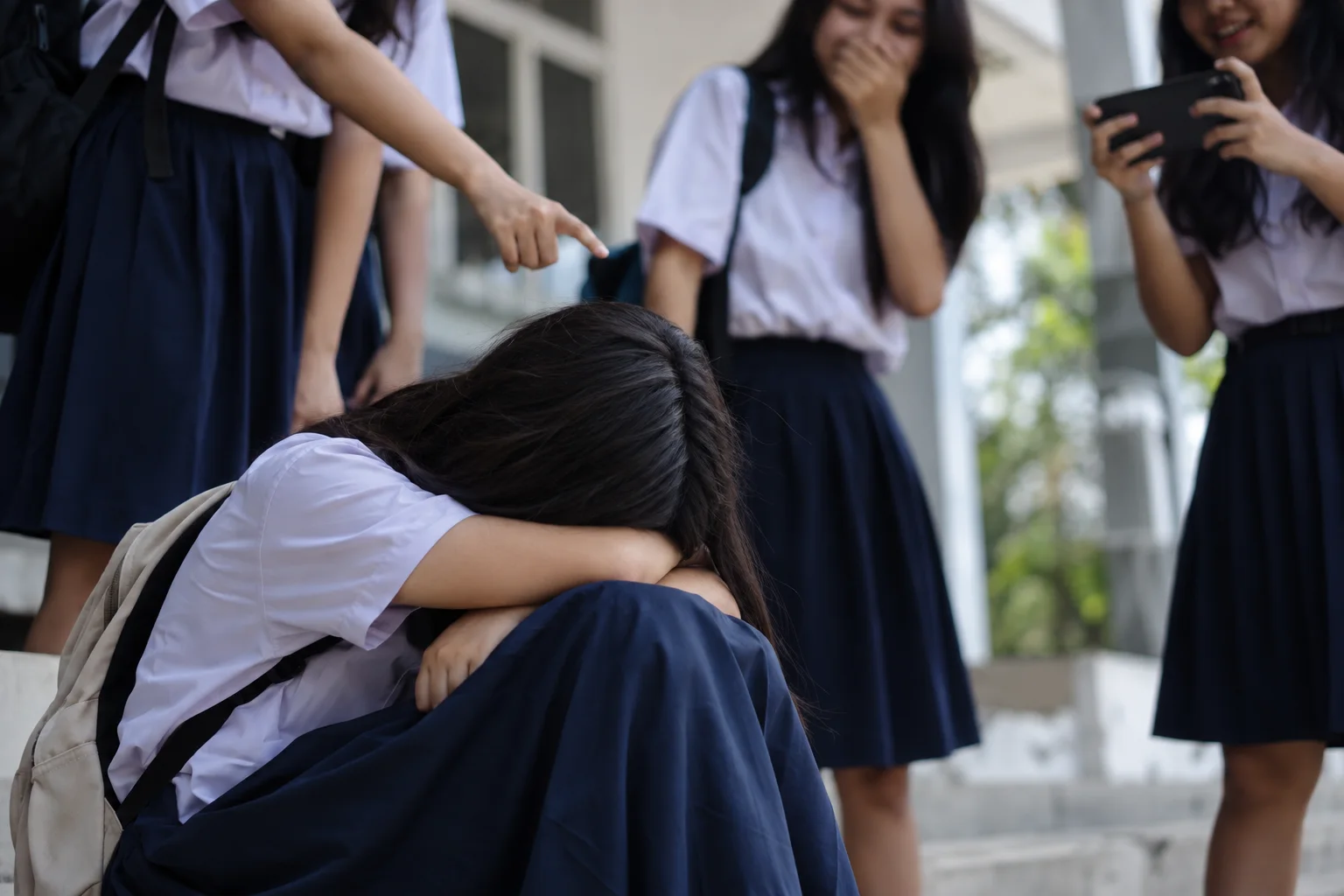
JurnalPost.com - Bullying against children and teenagers remains a serious issue that demands attention from various parties. Environments that should be safe spaces for learning, playing, and building friendships can instead become places that instill fear in victims. The bullying cases occurring in Surabaya serve as a reminder that violence among teenagers should not be dismissed as mere juvenile delinquency. Concrete steps are needed to prevent similar incidents from recurring while ensuring that victims receive appropriate protection.
In late January 2026, the public was shocked by the circulation of a video showing the alleged bullying of a 13-year-old middle school student in the Kapasari area of Surabaya. The incident reportedly took place on December 30, 2025, and involved several teenage girls. This case subsequently gained public attention and prompted the Surabaya City Government to provide psychosocial support to the victim. The incident demonstrates that conflicts between teenagers can escalate into acts of violence if not handled properly.
Bullying is not just a matter of name-calling or friendship conflicts. Acts of intimidation, humiliation, threats, and physical violence can leave long-term impacts on victims. Beyond physical injuries, victims may experience psychological distress, loss of self-confidence, feelings of insecurity, and even fear of interacting with their surroundings. These impacts are not always immediately visible, but they can significantly affect a child's social life and learning process.
Another issue that requires attention is how the public responds to bullying incidents. While public attention following the spread of a violence video on social media can help push for case resolution, resharing the video without considering the victim's condition risks prolonging their suffering.
Children who are victims should receive protection, not become subjects of gossip or targets for negative comments in digital spaces. Therefore, the public needs to be wiser in using social media, especially when it involves minors.
Bullying prevention must start from the closest environment: the family and the school. Parents play a crucial role in building open communication with their children, teaching empathy, and instilling the understanding that everyone deserves to be treated with respect. Children also need to be accustomed to resolving disagreements without threats or violence.
Meanwhile, schools must have clear rules, provide safe reporting channels, and follow up on every report seriously. Victims need to feel that they can speak up without fear of being blamed or subjected to further mistreatment.
Furthermore, the Surabaya City Government needs to continue strengthening child protection efforts through bullying prevention education, counseling services, and psychosocial support. Handling cases only after they go viral is not enough. Prevention efforts must be carried out sustainably through collaboration between the government, schools, families, and the community.
Teenagers involved in bullying also need to receive treatment appropriate to their age and applicable regulations. Such steps are important so that they understand the impact of their actions, realize their mistakes, and do not repeat similar behavior.
The public must not remain indifferent when witnessing bullying. Being a witness does not mean one must intervene in a way that endangers oneself. Actions that can be taken include seeking help from a trusted adult, reporting the incident to school authorities or law enforcement, and helping the victim get assistance.
Silence and the assumption that violence is normal can make perpetrators feel their actions are acceptable. Conversely, the courage to report and provide support to the victim can be the first step toward stopping bullying.
Ultimately, making Surabaya a child-friendly city cannot be achieved solely through government programs and policies. It requires collective care to create an environment that values differences, rejects violence, and provides a sense of security for every child.
The alleged bullying case in Kapasari should serve as a reflection that child protection is not the responsibility of one party alone, but a shared obligation. Bullying prevention must begin before the next victim emerges, because every child has the right to grow, learn, and build friendships without the fear of violence.


Comments 0
Write a Comment Share your response