

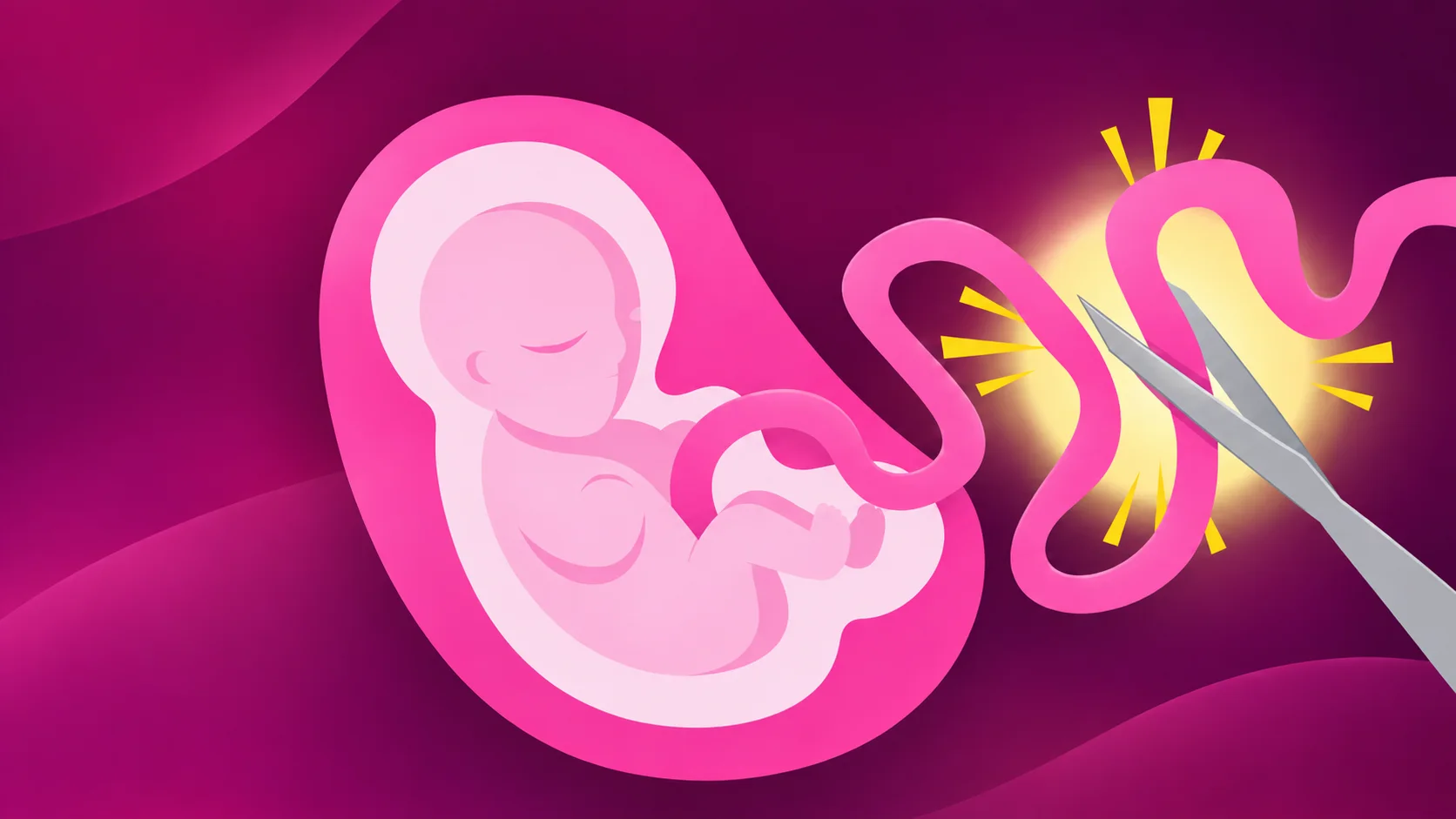
In modern bioethics, there are four primary principles known as Four Principles of Biomedical Ethics, as developed by Tom L. Beauchamp and James F. Childress, namely autonomy , beneficence beneficence , non-maleficence non-maleficence , and justice .
The principle of autonomy is often used as the primary basis for legitimizing abortion practices. Rights over one's body and reproductive health are viewed as a woman's absolute authority. However, can the right to one's own body serve as the sole basis for ending a pregnancy, especially when there is no emergency medical indication threatening the mother's life? Arguments that rely solely on individual autonomy for abortion contain logical and ethical flaws because they ignore another crucial entity: the moral status of the fetus.
To mediate this ethical dilemma, Islam offers a comprehensive worldview. Within the framework of Islamic law, every established sharia has an underlying purpose known as Maqashid Syariah (the objectives of sharia), which is to realize goodness or benefit for humanity and protect them from harm,
according to the prominent ushul fiqh scholar Abu Ishaq al-Syatibi in his monumental book, Al-Muwafaqat. According to al-Syatibi, the entire structure of Islamic law essentially pivots on one core essence: realizing maslahah (the welfare of humanity in this world and the hereafter). To achieve this fundamental welfare, he argues that Islamic law protects five main pillars of life: the protection of religion (hifz al-din), the protection of life (hifz al-nafs), the protection of intellect (hifz al-aql), the protection of lineage (hifz al-nasl), and the protection of property (hifz al-mal).
From the perspective of Maqashid Syariah, the principle of autonomy in the context of abortion cannot be interpreted as a woman's absolute freedom to determine the continuation of her pregnancy. In Islam, the human body is not viewed entirely as private property to be used solely at the individual's discretion; it also carries the responsibility to safeguard the life that God has bestowed. Therefore, a woman's freedom in making decisions regarding her pregnancy must be placed within the framework of sharia objectives, particularly hifz al-nafs (protection of life) and hifz al-nasl (protection of lineage).
Sharia exists to preserve life (hifz al-nafs), a trust that must be protected and cannot be terminated without a reason justified by sharia. This principle applies not only to the life of the fetus but also to the safety of the woman carrying it. However, when a pregnancy does not pose a threat to the mother's safety, a personal desire to end the pregnancy cannot automatically be used as a justification for abortion. Conversely, if a pregnancy poses a serious threat to the mother's life, the issue becomes a matter of protecting life. In such conditions, medical decisions regarding the termination of pregnancy must consider sharia provisions and the principle of prioritizing welfare.
Meanwhile, hifz al-nasl provides a more fundamental boundary to the interpretation of autonomy in abortion. The protection of lineage is not merely understood as maintaining human reproduction, but also includes respect for the life of the fetus as a future human generation. Thus, a fetus cannot be viewed merely as a part of a woman's body whose existence is entirely under her personal control. The existence of a fetus introduces a distinct moral and legal dimension that must be considered. On that basis, a woman's right to make decisions about her body does not automatically grant unlimited authority to end the life of a fetus.
These two principles demonstrate that the Maqashid Syariah perspective has conceptual boundaries that differ from the principle of autonomy in the Four Principles of Biomedical Ethics. While autonomy tends to place individual will as the primary basis for decision-making, Maqashid Syariah places the protection of the five pillars, including life and lineage, as the highest priority. This means that not every decision born from personal will can be morally justified simply because it is an expression of individual freedom, as in Islam, the obligation to protect life and lineage is far higher than that autonomy. In the Maqashid Syariah perspective, a woman's autonomy remains an aspect to be considered, but it cannot be used as the sole legitimacy for determining whether an action is permissible. Such decisions must be evaluated based on the reasons, the condition of the pregnancy, and the consequences for the lives of both the mother and the fetus according to sharia provisions.
To strengthen the argument that abortion without emergency indications cannot be ethically justified, the fetus must be understood as an entity with the status of imminent personhood.This means the fetus is not merely a dormant potential, but a future human who is actively growing and processing itself into a complete human being; it is not just a "collection of cells" or a "potential human." The fetus exists at a different level, possessing higher moral value and status. Citing the study by Joel Cox (2025) in Abortion and Imminent Personhood, the abortion debate has been trapped in a false dichotomy. A fetus is not merely a static potential entity (like an egg cell before fertilization). A fetus is an imminent personimminent person—an entity that is actively processing and developing its capacity to become an actual human. Just like a seed that has been planted and is actively growing, this "imminent" status gives the fetus a much higher moral standingmoral standing. Consequently, the ethical weight of abortion is very heavy and cannot be decided solely on the pretext of freedom of choice.
Ultimately, the issue of abortion is not just about the extent to which a woman has freedom over her body, but also about the moral responsibility toward the life growing within her. The perspective of Maqashid Syariah reminds us that autonomy cannot be interpreted as unlimited freedom, because there are lives and lineages that must also be protected. Freedom to make choices should not erase the responsibility to respect and preserve life.



Comments 0
Write a Comment Share your response