

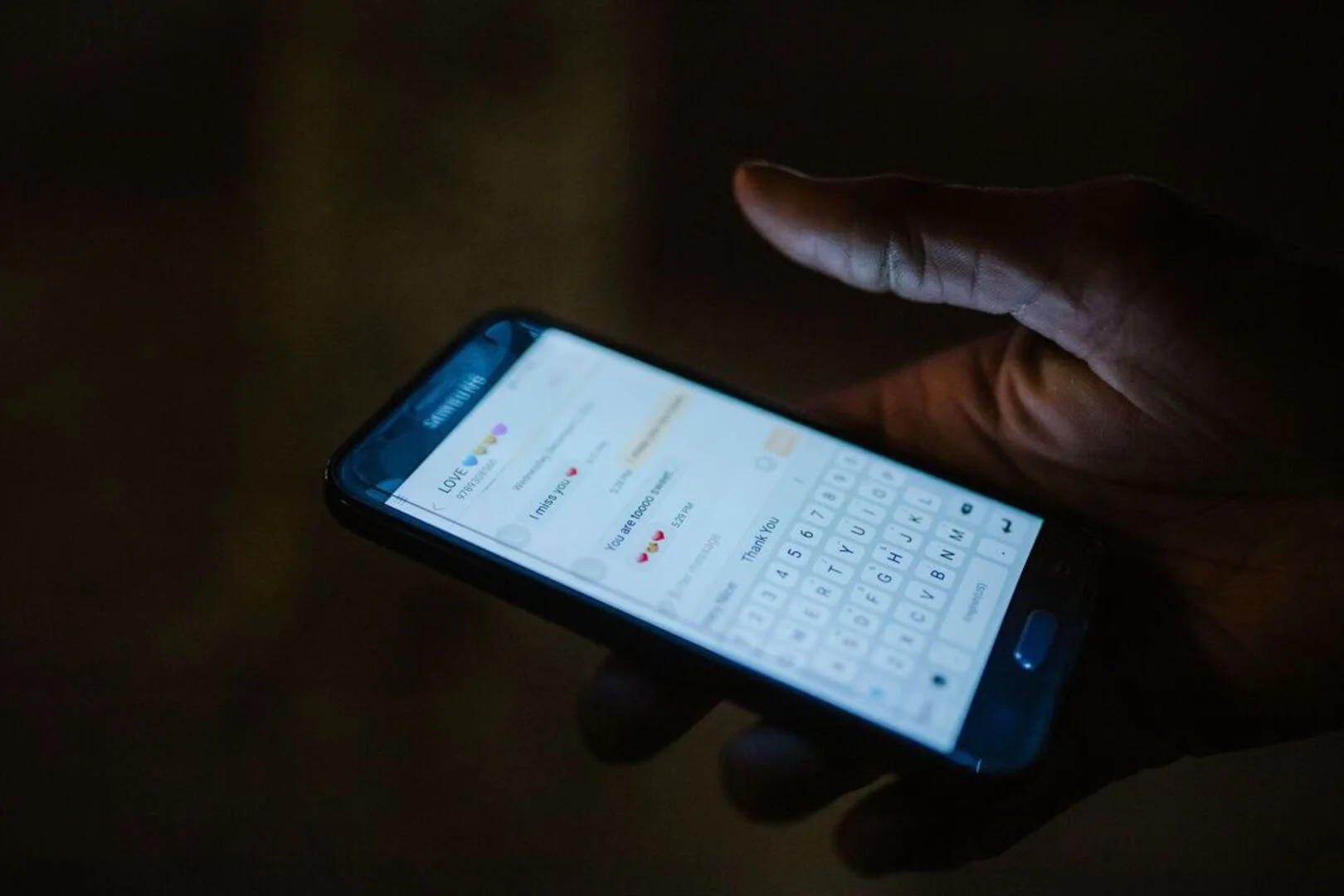
It is not uncommon for these screenshots to be sent to gossip accounts or anonymous confession pages to be dissected by the masses. Issues that initially involved only two parties are thus transformed into public discourse.
This phenomenon reflects a shift in how society uses social media. Digital platforms, originally intended as spaces for communication, are now being used to drag personal matters into the public eye. Individuals do not just recount conflicts; they include screenshots as evidence to construct a specific narrative of the event.
While this action might be perceived as a way to seek support or advice, the dissemination of private conversations raises significant concerns regarding privacy boundaries, communication ethics, and the responsibilities of social media users.
Screenshots and the Shifting Function of Digital Documentation
A screenshot is a simple feature for saving information displayed on a device screen. In daily life, it is used to store important information, document conversations, and preserve evidence of communication.
However, the evolution of social media has altered the function of the screenshot. Information once saved for personal reference can now be broadcast to a wide audience. Screenshots are no longer merely tools for documentation; they are used to shape opinions, deliver snide remarks, seek validation, and even humiliate others.
The issue lies not in the technology itself, but in how humans treat information. The ability to save a conversation does not automatically grant the authority to share it. It is crucial to distinguish between taking a screenshot and sharing one, as both carry different privacy consequences.
When Personal Conflicts Seek Public Validation
One intriguing phenomenon is the habit of bringing personal conflicts to public forums or gossip accounts. Someone involved in a dispute may submit a screenshot of a conversation to solicit opinions from other users, hoping the public will judge who is right and who is wrong.
At a glance, this may look like an attempt to gain a different perspective. However, spreading private conversations can also be a way to manufacture validation. The poster may aim to prove they are in the right, while framing the other party as the source of the problem.
Social media then shapes the dynamics of the conflict. Issues that should be resolved between the parties involved have the potential to escalate into public debates. Comments and reposts expand the reach of the conflict, drawing in people who were never involved to pass judgment.
From Reading Conversations to Judging Individuals
The problem does not end when the screenshot is published. Social media users can offer comments and assessments based on the circulating information. Unfortunately, this information is often incomplete.
A screenshot only shows a specific segment of a conversation. Readers may not be aware of previous exchanges or the underlying situation. Consequently, fragmented messages can lead to interpretations that differ significantly from the actual events.
When a post gains traction, there is a tendency to defend one side and blame the other. The discussion can even shift into an assessment of a person's character. The identities of those involved then become targets for criticism and negative commentary.
This phenomenon can be understood as a form of digital trial by media. Society judges an individual based on limited information without understanding the full scope of the problem. Social media acts as an informal courtroom where anyone can act as a judge.
The question is to what extent the public truly understands issues they have not personally experienced. Information seen on a screen does not necessarily reflect the entirety of reality.
Privacy Eroded in the Name of Validation
The dissemination of private chat screenshots is also deeply linked to privacy protection. Arsawati et al. (2023), in their study 'Uploading Private Chat Screenshots on Social Media: How the Law Responds to It?', discuss the spread of screenshots from a legal perspective. The research highlights the importance of privacy protection and the potential issues arising from the distribution of private conversations.
Meanwhile, Ingber (2025), through the study 'Understanding Screenshot Collection and Sharing on Messaging Platforms: A Privacy Perspective', distinguishes between the act of taking or saving a screenshot and sharing it. One may have reasons to save a conversation, but sharing it with others is a distinct action with its own privacy implications.
Both studies demonstrate that the issue of screenshots cannot be viewed solely through the lens of technological convenience. There are rights of others that must be respected. Engaging in a private conversation does not automatically imply consent for its contents to be made public.
Nevertheless, sharing screenshots is not always wrong. In certain conditions, a screenshot can serve as evidence to report harmful behavior or seek protection. Therefore, the purpose and context of the sharing must be considered. Using a screenshot to seek help is certainly different from sharing it to humiliate someone or for entertainment.
Not All Conflicts Should Be Public Consumption
Technological convenience allows communication to be documented and disseminated. However, this should not lead society to disregard the privacy of others. Screenshots can be tools for documentation and evidence, but their use requires ethical consideration.
Before sharing a screenshot, one must consider the necessity and impact of doing so. Users who encounter such posts should also think critically. Not all viral information is true, and a story from one side does not necessarily represent the whole picture. Avoiding the resharing of unverified information is part of digital responsibility.
This phenomenon shows that digital issues are not just about technological advancement, but also about how society treats information. When personal conflicts are turned into entertainment, the public does not just receive information; they actively shape narratives and judgments about the parties involved.
Ultimately, not every issue requires public judgment. There are times when information should remain private and conflicts should be resolved by the parties involved. The ability to share information does not mean we should. In an increasingly open digital culture, respecting the privacy of others is a form of responsibility that must be upheld.








Comments 0
Write a Comment Share your response