

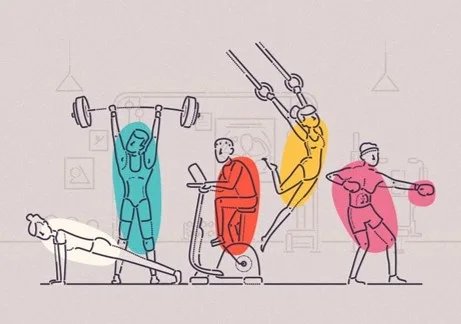
SURAKARTA, JurnalPost.com – Health is a vital aspect of human life. Various efforts can be made to maintain physical well-being, one of which is through physical activity and exercise.
According to Mudzakiyah et al. (2025), Indonesia possesses a diverse range of traditional games passed down through generations as a means of physical activity and recreation. However, as lifestyles change and modern society evolves, the forms of physical activity practiced by the public have also shifted.
Various types of modern sports are increasingly developing and becoming popular alternatives for physical activity, aligning with changing needs, preferences, and individual perspectives on health maintenance.
Safitri et al. (2024) explain that exercise is a way to maintain physical fitness. One type of sport that is gaining popularity across various demographics is running, both as a recreational activity and as a means to improve overall health.
Running Culture as a Social and Cultural Phenomenon
The shift in public exercise habits can be understood as part of the cultural dynamics evolving within social life.
The Council of Europe, through Compass: Manual for Human Rights Education with Young People explains that culture is part of how individuals understand and interpret life, and that society continues to evolve alongside social and generational changes.
In the context of sports, physical activity is not only viewed as a means to gain health benefits but is also linked to identity, social relationships, and a sense of belonging to a group.
Thus, the growing phenomenon of running culture can be understood not merely as a change in physical activity preferences, but also as part of the social and cultural dynamics of modern society.
According to Hardiansyah (2025), the phenomenon of running has evolved from an activity generally performed individually into a collective endeavor through the formation of various running communities. These communities are not only oriented toward health but also serve as a means for social interaction among individuals.
An individual's participation in an activity is not solely influenced by personal perception, but also by the social environment in which they interact.
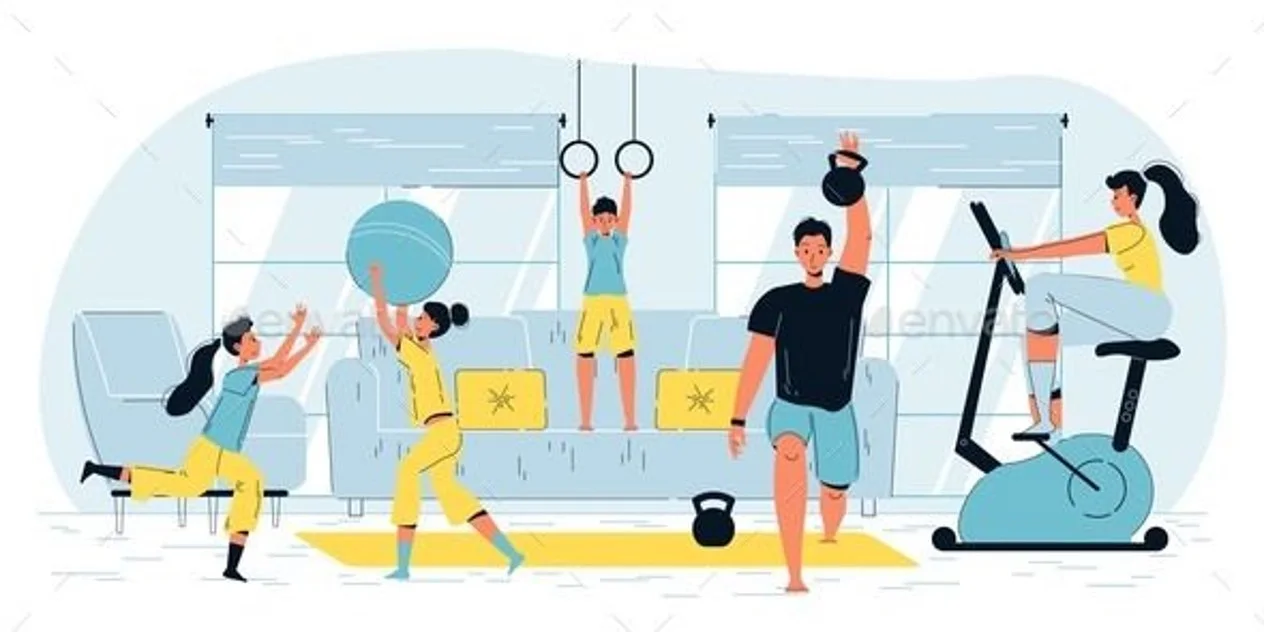
The phenomenon of fear of missing out (FOMO), or the anxiety of being left behind by trends, further illustrates how group influence and the development of popular culture can drive someone to participate in running.
Regardless of the various motivations behind it, the increasing popularity of running can be a positive development in building a healthy lifestyle.
In research by Hardiansyah (2025), a number of respondents revealed that running is a relatively affordable and flexible sport. Some respondents also make running a routine activity because they have experienced its benefits for their physical health.
Beyond Distance and Speed
The increasing public awareness of the importance of health and participation in running does not necessarily indicate that understanding of comprehensive physical activity has also increased.
In the growing running culture, public attention is often more focused on distance, speed, training frequency, and competition achievements.
On the other hand, muscle-strengthening exercises—as part of the physical activity that supports musculoskeletal capacity and function—may not yet be receiving balanced attention.
In fact, muscle strength is a crucial component for a runner. Good muscle strength can support running performance while helping to reduce the risk of sports injuries.
Ginting et al. (2026) explain that muscle-strengthening exercises performed regularly and systematically can provide various benefits, including increasing muscle mass, improving posture, and enhancing joint stability, thereby helping to reduce the risk of sports injuries.
Muscle-strengthening exercises also do not always require expensive gym facilities. Various exercises can be performed independently at home using one's own body weight or simple equipment such as resistance bands.
The question is, has the increasingly popular running culture also helped build a culture of body strengthening? Or is muscle-strengthening exercise still considered an optional activity that is less important because it is perceived to require more time, knowledge, and effort?
This question becomes relevant when looking at opportunities to develop running culture as part of public health promotion efforts.
Running Communities as Agents of Health Promotion
From a health promotion perspective, running communities have the potential to become spaces for community empowerment and the formation of sustainable health behaviors.
This potential can be utilized through collective activities that not only encourage participation in running but also expand the knowledge and skills of community members regarding more comprehensive physical activity.
The integration of muscle-strengthening exercises can be achieved through the introduction of simple movements, education regarding the function and importance of muscle strength, and joint practice sessions tailored to each individual's capacity.
Running communities can introduce exercises such as squats, lunges, calf raises, and planks as part of the training routine, while paying attention to movement techniques, physical condition, and the ability of each participant.
This approach can make muscle-strengthening exercises more accessible, understandable, and applicable in daily life.
Communities do not just serve as a place to gather or a means to increase sports participation; they become a social environment that can shape the norms, identity, and habits of their members.
When an activity becomes part of a group's identity, the practices that develop within that group have the potential to influence how individuals view and carry out their health behaviors.
Therefore, running culture can be an entry point to introduce various health practices through social interaction, group support, and shared habits.
Building a Sustainable Sports Culture
Muscle strengthening should not be viewed as a separate activity that adds to the burden of a runner's routine. Instead, these exercises can be introduced as part of the preparation, maintenance, and development of the body's capacity to perform running activities.
When a physical activity has developed into a culture and gained strong social support, health promotion has the opportunity to utilize that culture as a gateway to expand more comprehensive health practices.
The success of running culture should ideally not be measured only by the increasing number of participants, the length of distance covered, or high achievements in competitions. This success also needs to be viewed through the lens of increased public awareness in maintaining health and the body's capacity in a sustainable manner.
Through the integration of muscle-strengthening exercises into running culture, running communities can contribute to building a sports culture that is healthier, more inclusive, and oriented toward long-term health.
Ultimately, the spirit of beyond the miles invites the public to view running as more than just distance and speed. Running is not only about how far someone can go, but also about how the body remains strong, healthy, and capable of moving optimally throughout life.

Comments 0
Write a Comment Share your response