


JurnalPost.com, Wonogiri – Proper housing management and the implementation of biosecurity are two critical aspects of maintaining health and increasing the productivity of beef cattle. These areas were the focus of assistance provided by a team from Diponegoro University (Undip) to farmer groups in Nguntoronadi District, Wonogiri Regency, Central Java.
The community service program was carried out during the Student Community Service (KKN) period, from July 9 to August 18, 2026. The activities targeted farmer groups spread across 11 villages in Nguntoronadi District.
The service team was led by Dr. Dinda Ayu Permata Sari, S.Pt., M.Si., a lecturer from the Department of Animal Science at the Faculty of Animal and Agricultural Sciences, Diponegoro University, alongside other lecturers and KKN students.
Nguntoronadi District has a well-developed beef cattle farming sector at the community level. For many farmers, cattle are not only a source of income but also serve as assets that can be utilized when family economic needs arise.
However, traditional farming methods are still found among some breeders. This is evident in the management of stall cleanliness, air circulation, waste handling, and the inconsistent application of biosecurity measures.
In fact, proper housing management plays a vital role in maintaining livestock comfort and reducing the risk of disease outbreaks and transmission.
Education Provided in 11 Villages
In its implementation, the Undip team utilized the routine meetings of farmer groups in each village as a space for education.
These group meetings, which generally take place at least once a month, were filled with presentations, discussions, and the distribution of guides on housing management and biosecurity.
The materials provided included information on stall design, ventilation and air circulation settings, environmental cleanliness of the stalls, and manure management to prevent issues for the surrounding environment.
Farmers also received explanations regarding biosecurity principles to prevent the entry and spread of disease agents in the farming environment.
These steps include maintaining the cleanliness of stalls and equipment, limiting factors that could potentially bring diseases into the livestock area, and using disinfectants as needed.
In addition to the presentations, the forum served as an opportunity for farmers to discuss various problems they face in their daily cattle rearing.
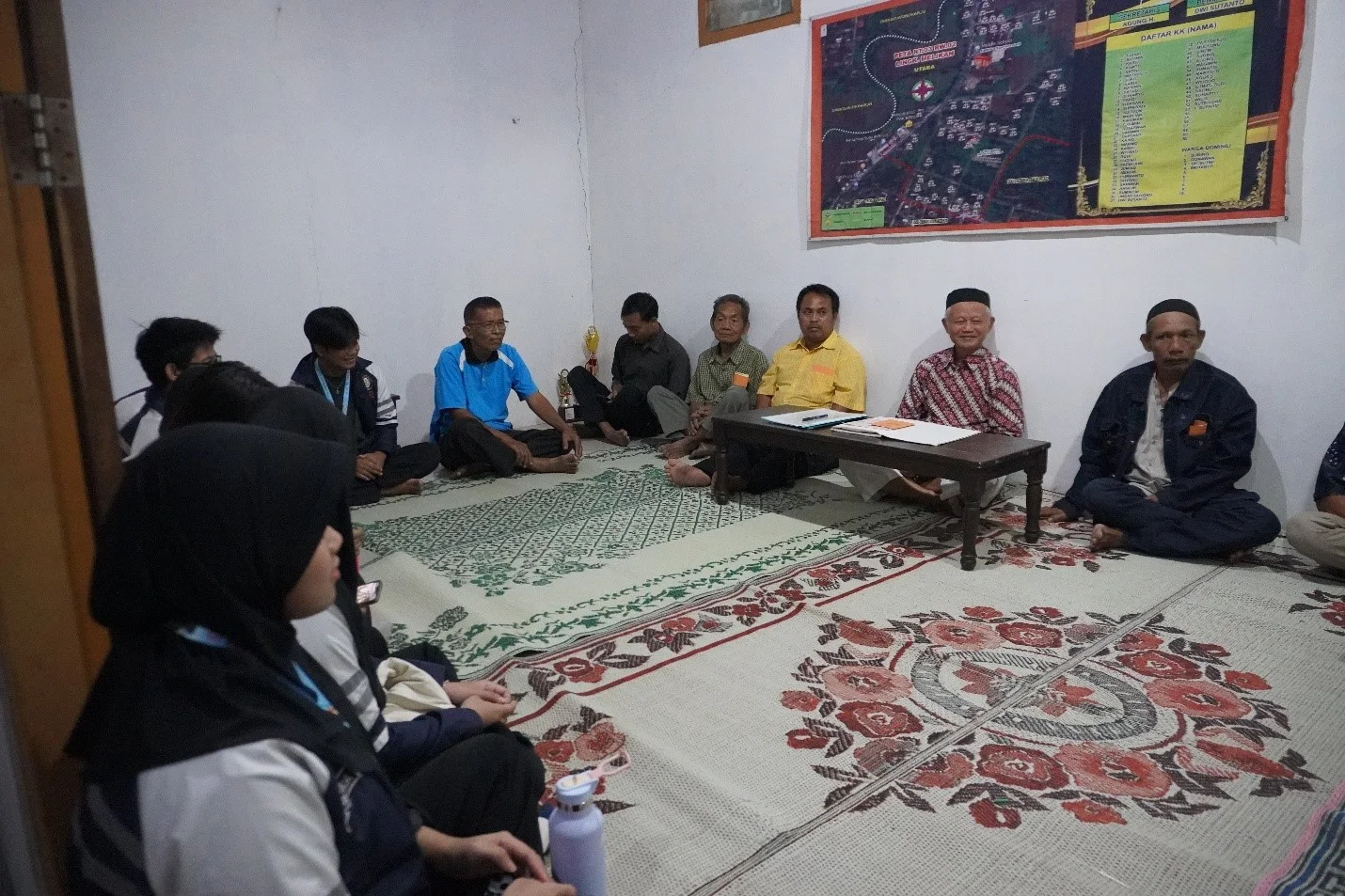
Some of the discussions concerned handling livestock health issues, stall conditions, cleanliness, and more effective rearing methods.
Farmers Begin to Understand the Importance of Biosecurity
Kadiman, a member of a farmer group in Nguntoronadi District, admitted to gaining new knowledge through the activity.
According to him, many farmers have traditionally raised cattle using habits passed down through generations without fully understanding the importance of housing management and biosecurity.
“We are very helped and grateful for the counseling activities and the distribution of materials from the Undip lecturers and students, which were inserted into our routine group meetings,” said Kadiman.
He noted that the material on stall cleanliness and disease prevention helped farmers better understand that the condition of the rearing environment is directly linked to livestock health.
“All this time, we have been caring for cattle in makeshift stalls without knowing the importance of spacing, strict cleanliness, or biosecurity. Thanks to this guidance, we now understand how to maintain cattle health to avoid disease outbreaks, so that future cattle growth can be maximized and have a high selling value,” he said.
From Traditional Patterns to More Structured Rearing
Dr. Dinda hopes that this assistance can encourage farmers to adopt more structured rearing patterns without ignoring the conditions and capabilities of each smallholder farm.
Implementing housing management does not always have to start with major changes. Improvements can be made gradually, such as maintaining cleanliness regularly, ensuring adequate air circulation, managing waste disposal, and paying attention to access in and out of the rearing area.
These efforts can be complemented by the application of biosecurity as a disease prevention measure.
Prevention is considered important because health problems in cattle not only affect the condition of the livestock but can also increase maintenance costs and reduce farmer productivity.
Through the assistance provided alongside the KKN program, it is hoped that knowledge from the university can be more easily applied in daily farming practices.
The collaboration between lecturers, students, and farmer groups also provides space to adapt academic material to the real conditions encountered in the field.
In the long term, increased understanding of housing management and biosecurity is expected to help Nguntoronadi farmers maintain cattle health, improve maintenance efficiency, and enhance the quality and economic value of their livestock.
These efforts can simultaneously support the strengthening of smallholder farming as part of the food security system in Wonogiri Regency.






Comments 0
Write a Comment Share your response