

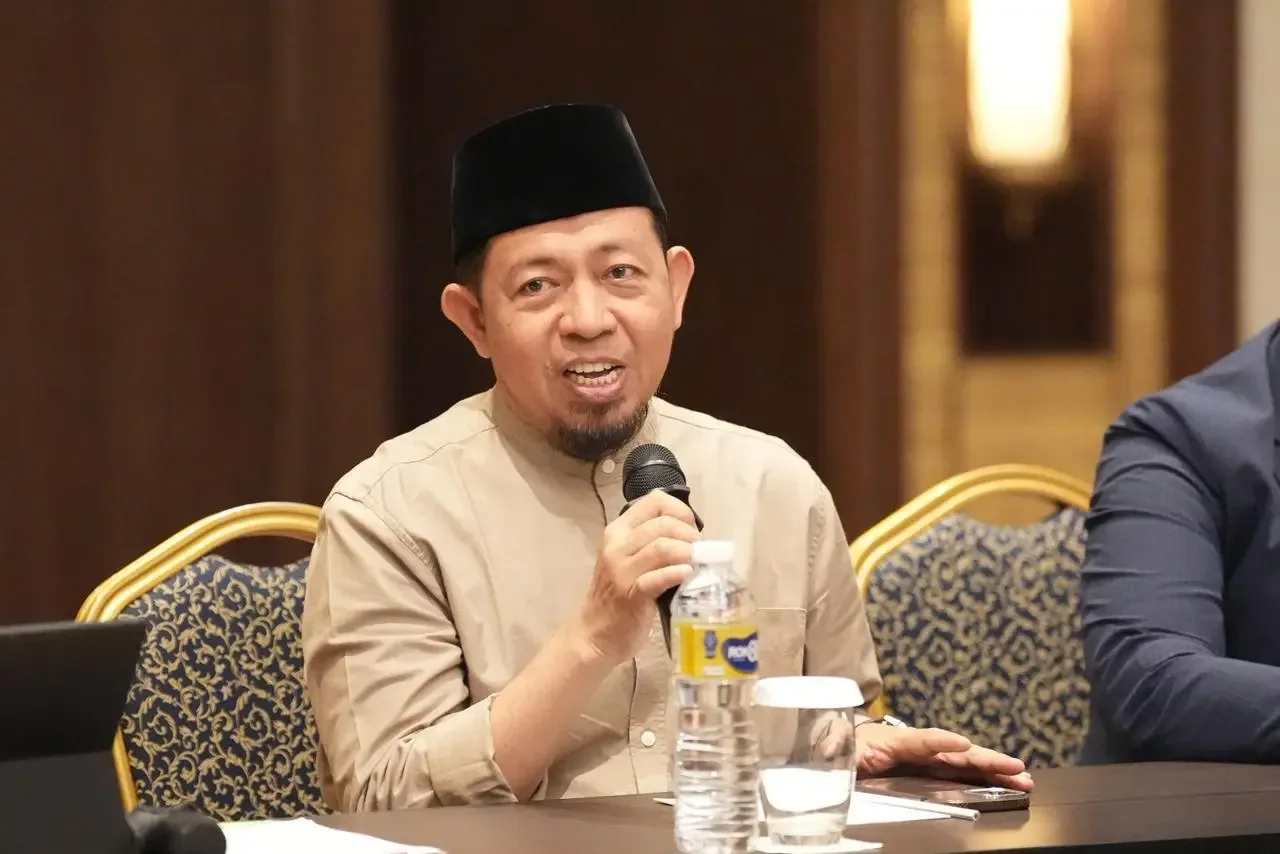
Jakarta, JurnalPost.com - The Directorate General of Islamic Boarding Schools at the Ministry of Religious Affairs is advocating for incentives for boarding staff as part of efforts to improve the quality of education and student care services. This agenda is planned to be pursued in 2027 to ensure that the contributions of boarding staff receive more adequate financial support.
Director General of Islamic Boarding Schools, Basnang Said, noted that boarding staff play a strategic role in the life of the pesantren. They not only support students outside of formal classroom hours but are also involved in character building, instilling religious values, and fostering discipline and independence in students' daily lives.
However, this significant responsibility has not yet been fully matched by adequate financial support. Therefore, the government is working to create space for the presence and contributions of boarding staff to receive greater attention within policies aimed at strengthening Islamic boarding schools.
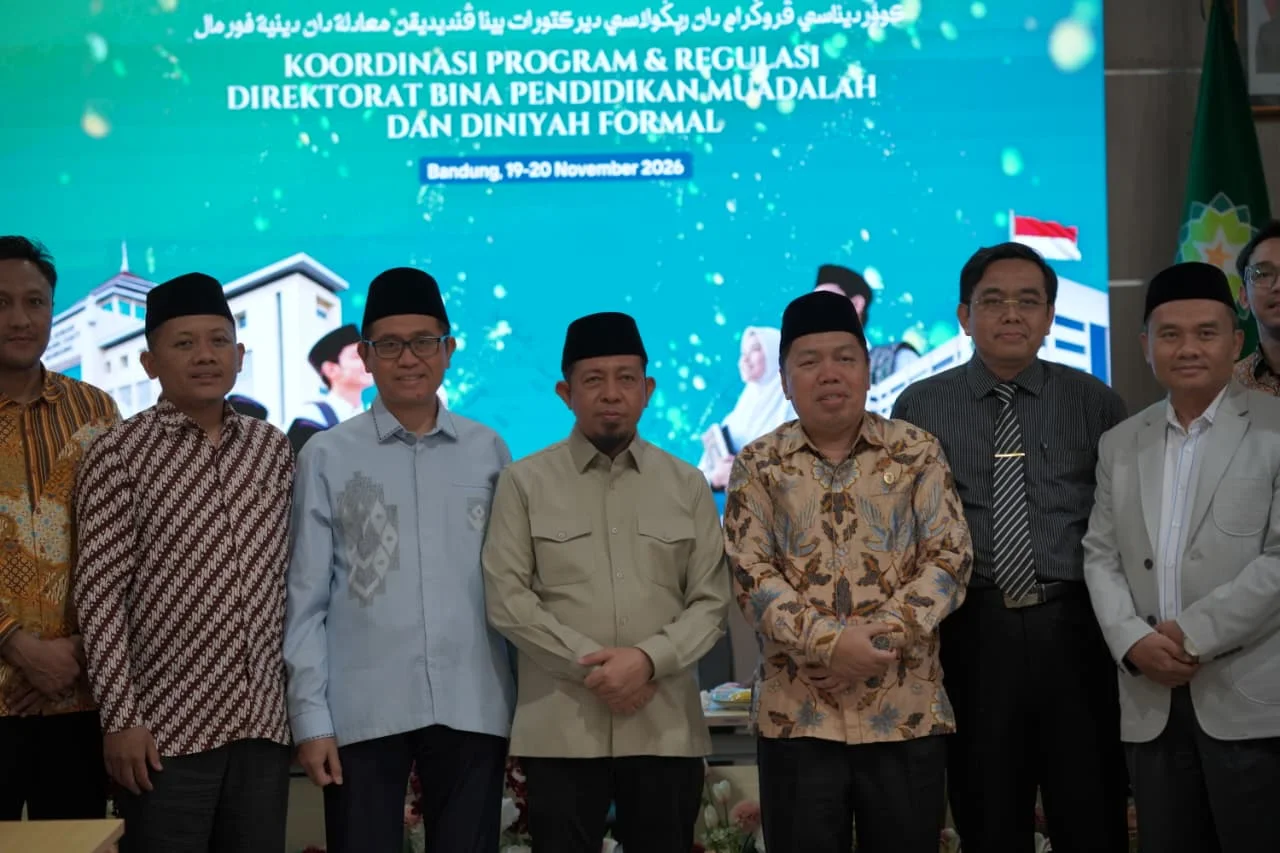
“Providing incentives for boarding staff is one of the agendas that will be pursued in 2027,” he stated during the Coordination Meeting for the Directorate of Muadalah and Formal Diniyah Education Programs in South Tangerang, Saturday (14/11/2026).
In addition to improving the welfare of boarding staff, Basnang also outlined several strategic agendas for the Directorate General of Islamic Boarding Schools to be pushed in 2027. These include facilitating the establishment of a Pesantren Management Study Program and strengthening research on the potential of Islamic boarding schools through the creation of a Pesantren Research Center at every State Islamic Religious University (PTKIN).
According to him, developing a Pesantren Management Study Program is a crucial step in preparing human resources with the academic capacity and professional competence to manage boarding schools. Meanwhile, the presence of Pesantren Research Centers within PTKIN is expected to strengthen databases, research, and the development of various pesantren potentials, spanning educational, social, economic, and institutional aspects.
“Islamic boarding schools possess immense potential and require ongoing scientific support and academic study. Therefore, we need to build synergy with PTKIN through the development of the Pesantren Management Study Program and the establishment of Pesantren Research Centers,” Basnang explained.
He hopes that universities will not only act as partners in developing pesantren education but also play an active role in producing research and policy recommendations that can support the sustainable development of these institutions.
Basnang emphasized that the state's presence in supporting Islamic boarding schools is not limited to funding facilities or formal education. Support must also extend to human resources, scientific development, and the strengthening of institutional governance.
Director of Muadalah and Formal Diniyah Education, Mastuki, emphasized the importance of strengthening the competencies of boarding staff. According to him, the musyrif, musyrifah, mudabbir, dormitory supervisors, and other titles used by boarding schools are part of an educational ecosystem that needs continuous reinforcement.
Mastuki explained that the drafting of Specific Competency Standards (SKK) for boarding staff is aimed at improving the quality of care services, rather than standardizing systems or altering the traditions that have grown within each individual boarding school.
“These standards are not rigid regulations, but a competency framework that can be used by all boarding schools while still accommodating their diverse needs and characteristics,” Mastuki stated.
He asserted that the diversity of Islamic boarding schools must be preserved. The drafting of competency standards must not stifle the unique traits, culture, or care practices already in place. Furthermore, these standards must consider the conditions of boarding schools that are still in the early stages of development.
Thus, competency strengthening is expected to occur gradually and sustainably. Boarding staff currently performing their duties will remain part of the system, while the competency standards will serve as a reference to improve service quality over time.
Strengthening the competencies of boarding staff is essential because the educational process in a pesantren extends far beyond the classroom. Dormitory life is a learning space that shapes students' habits, sense of responsibility, independence, discipline, and character.
In this context, boarding staff hold a strategic position as companions to students in their daily lives. The quality of interaction between staff and students helps create an educational environment that is safe, comfortable, and supportive of student growth.
Therefore, improving welfare through incentives must go hand-in-hand with increasing capacity and competence. Both are part of an effort to build a higher-quality boarding school care system without sacrificing tradition or institutional autonomy.
Through various strengthening agendas in 2027, the Directorate General of Islamic Boarding Schools hopes that the pesantren ecosystem will continue to develop in terms of human resource welfare, educational quality, governance, and scientific advancement. Boarding staff are not merely dormitory companions, but a vital part of the educational process that helps shape a generation of students who are characterized, independent, and ready to face future challenges.





Comments 0
Write a Comment Share your response