

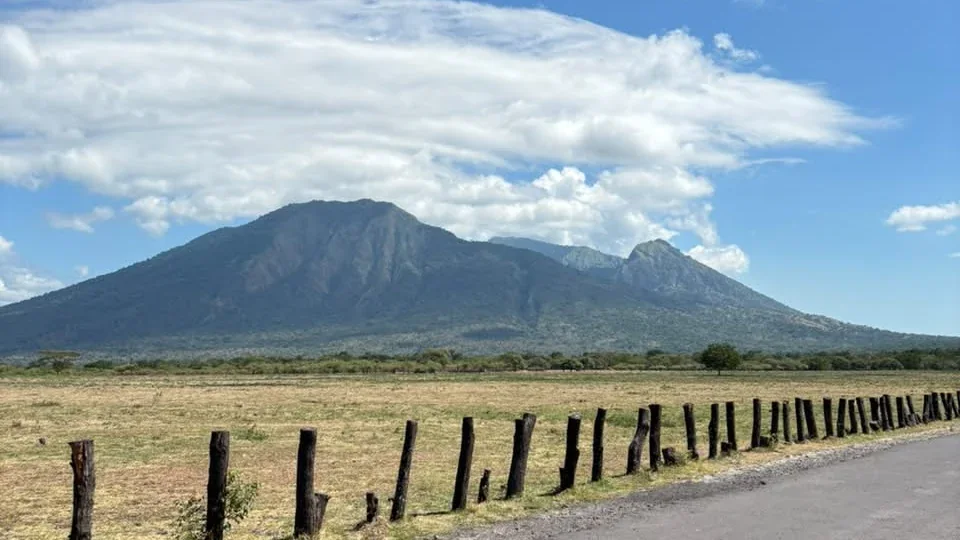
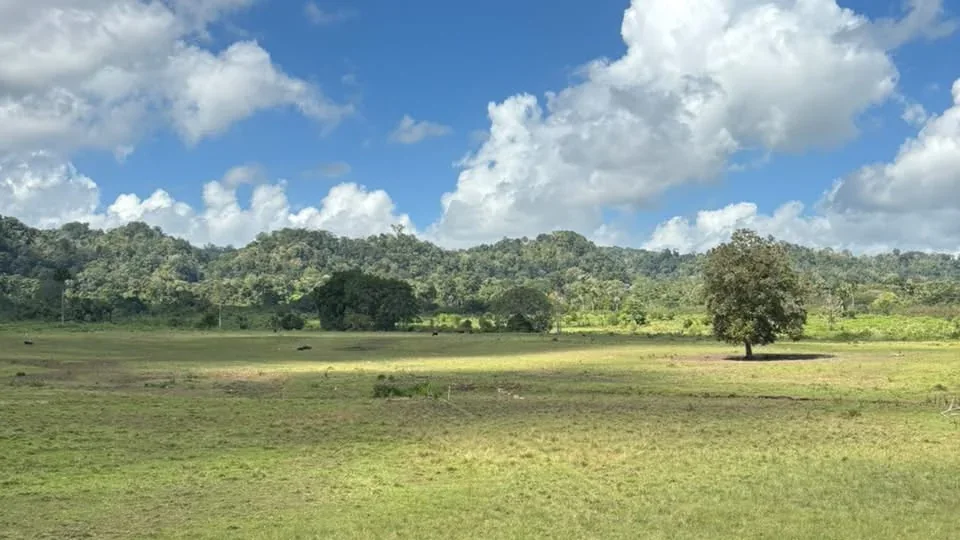
SITUBONDO, JurnalPost.com – The vast expanse of the Bekol Savanna has earned Baluran National Park in Situbondo Regency, East Java, the nickname Africa van Java. From grasslands to mangrove forests, this area offers opportunities to learn how wildlife utilizes its habitat. Recurring fires throughout 2026 have also highlighted the vulnerability of this landscape that attracts so many visitors.
Bekol Savanna as an Open Learning Space
In the Bekol Savanna, visitors can learn about the relationship between grasslands, trees, and the wildlife that inhabits the open area. Javan banteng, deer, and peacocks are among the animals living in Baluran. The chances of encountering wildlife depend on field conditions, so observation activities can be directed toward learning how to read the environment, such as identifying bird calls or observing changes in vegetation along the trails.
This experience can be expanded by exploring seasonal forests, mangroves, and coastal areas. The transition from grassland to forested areas provides a chance to see how plant species and canopy cover change. Along the coast, visitors can study the role of mangroves as a habitat for various organisms.
Bird watching, nature photography, and trekking along designated trails can be developed as special interest tourism. Guides can assist visitors in identifying wildlife from a safe distance and explain why observations should be conducted without feeding, luring, or chasing animals for the sake of a photograph.
Forest and Savanna Fires Threaten Wildlife Habitats
In a monitoring report published on 30 September 2026, the Baluran National Park Office recorded approximately 3,372.4 hectares of area affected by forest fires from May to September 2026. The area affected in September was recorded at 279.76 hectares, down from 894.65 hectares in August.
Handling efforts continued into October. In a report from 23 October 2026, the Office stated that fire suppression had been carried out on an area of 159.49 hectares during 1–21 October. Management also utilizes patrols, drones, and surveillance cameras to detect fires early, with support from citizen reports.
If fires recur in the same habitat, vegetation can change and food sources for wildlife may diminish. Disturbed habitats can also affect the animals' range. For tourists, this connection explains why understanding the state of the savanna is essential alongside efforts for fire prevention and area restoration.
Educational Tourism Can Support Baluran Conservation
Baluran can be developed as a natural laboratory by strengthening explanations of the ecosystem along visitor routes. Information boards and sessions with guides can help tourists understand the function of the savanna, the impact of fires, and the process of vegetation recovery. These activities must adhere to zoning, access regulations, and national park permits.
Local communities can be involved as guides or educational assistants. Their knowledge of landscape changes and trail conditions can enrich the information provided to visitors when combined with material from park management. For example, when a group stops at a wildlife observation point, the guide can explain why visitors need to maintain distance and limit noise and movement.
Conservation can also be practiced during visits. Visitors should stick to designated trails, avoid activities that could trigger fires, and immediately notify officers if they see smoke or fire spots. Field rules are more easily understood when guides explain their connection to fire risks and habitat protection.
Visitor numbers provide only one measure of success. Management can also assess whether tourists understand the function of the habitat and follow wildlife observation rules while in the area. In this way, a visit to the Bekol Savanna provides visitors with a direct experience while also gaining the knowledge to help protect Baluran.
Grace Sissela Marpaung, UPN “Veteran” East Java.




Comments 0
Write a Comment Share your response